
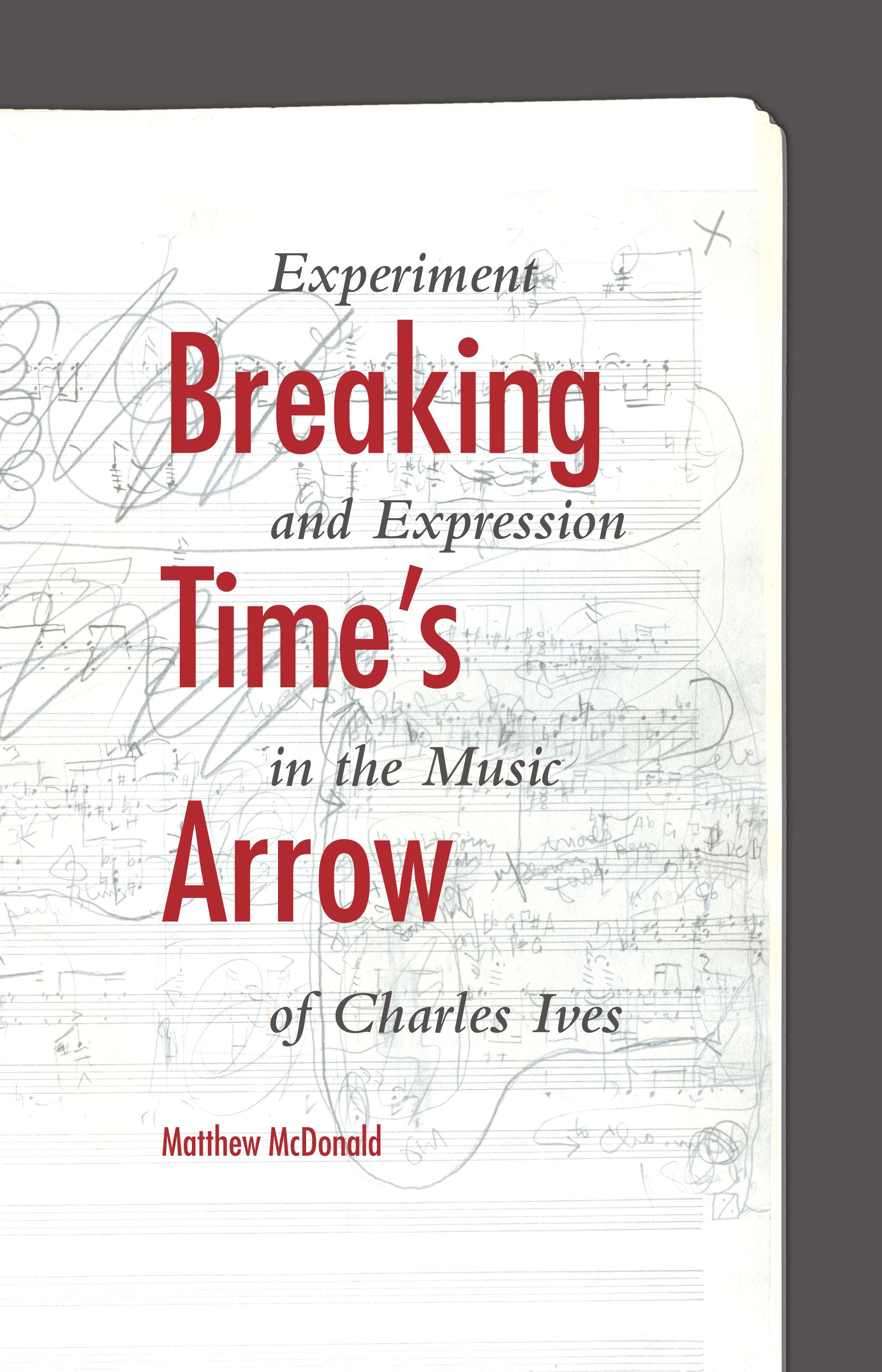
Charles Ives (1874–1954) moved traditional compositional practice in new directions by incorporating modern and innovative techniques with nostalgic borrowings of 19th century American popular music and Protestant hymns. Matthew McDonald argues that the influence of Emerson and Thoreau on Ives's compositional style freed the composer from ordinary ideas of time and chronology, allowing him to recuperate the past as he reached for the musical unknown. McDonald links this concept of the multi-temporal in Ives's works to Transcendentalist understandings of eternity. His approach to Ives opens new avenues for inquiry into the composer's eclectic and complex style.
Betal enkelt med kort, Klarna, Apple Pay eller Google Pay. Ikke fornøyd? Du har alltid 14 dagers angrerett. Les mer i våre vilkår. Har du spørsmål, send oss en e-post på hello@memmo.org.
Memmo gjør det enklere å studere – uansett hvor du er i verden. Hos oss samler du pensumbøker og smarte studieverktøy på ett og samme sted: sammendrag, quizer, podkaster og flashcards. Og så Ted, din studiekompis som svarer på alt du lurer på. Over 50 000 studenter studerer allerede her – bygget for at du skal lære raskere og stresse mindre.