
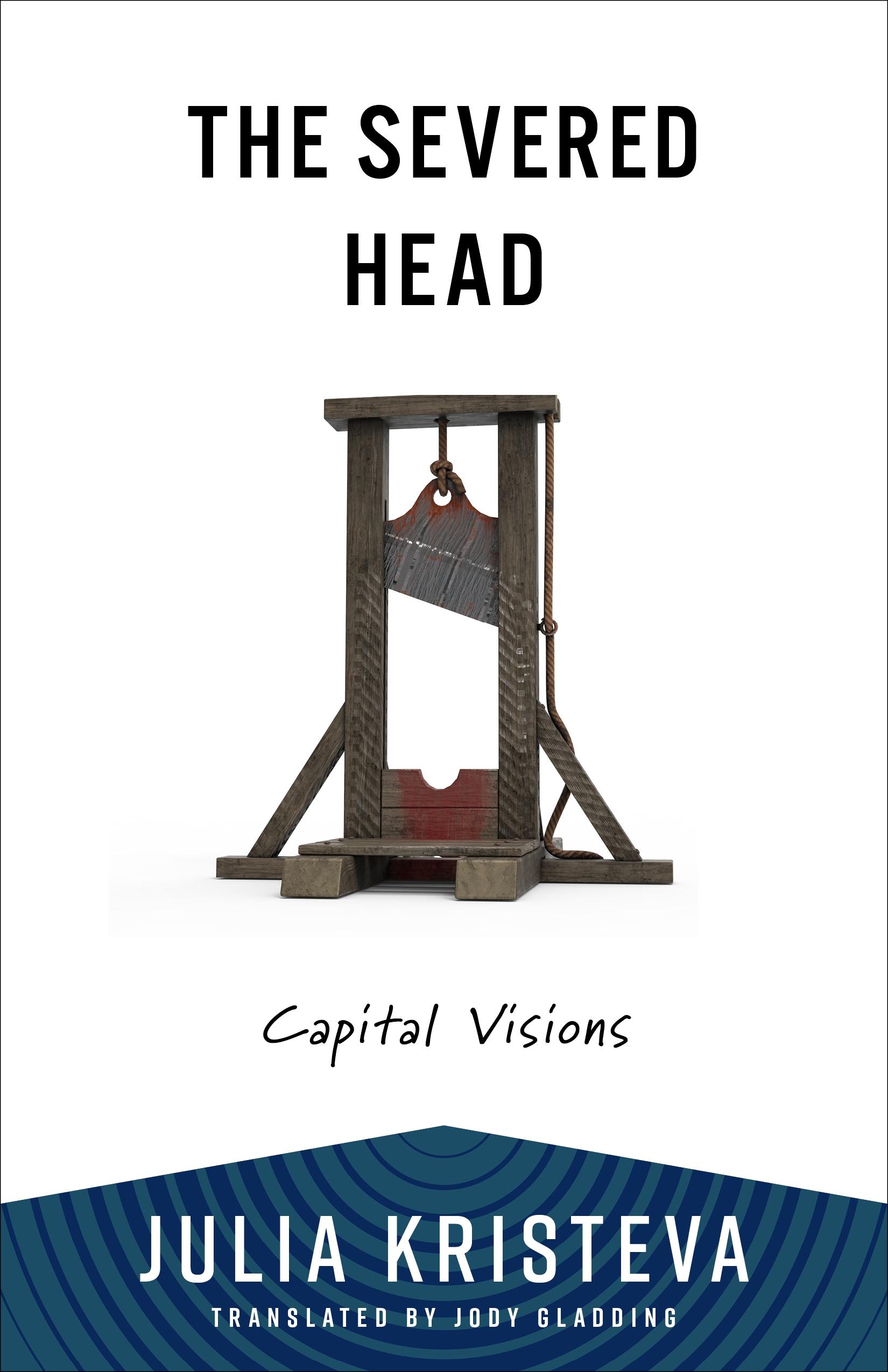
Informed by a provocative exhibition at the Louvre curated by the author, The Severed Head unpacks artistic representations of severed heads from the Paleolithic period to the present. Surveying paintings, sculptures, and drawings, Julia Kristeva turns her famed critical eye to a study of the head as symbol and metaphor, as religious object and physical fact, further developing a critical theme in her work—the power of horror—and the potential for the face to provide an experience of the sacred.
Kristeva considers the head as icon, artifact, and locus of thought, seeking a keener understanding of the violence and desire that drives us to sever, and in some cases keep, such a potent object. Her study stretches all the way back to 6,000 B.C.E., with humans' early decoration and worship of skulls, and follows with the Medusa myth; the mandylion of Laon (a holy relic in which the face of a saint appears on a piece of cloth); the biblical story of John the Baptist and his counterpart, Salome; tales of the guillotine; modern murder mysteries; and even the rhetoric surrounding the fight for and against capital punishment. Kristeva interprets these "capital visions" through the lens of psychoanalysis, drawing infinite connections between their manifestation and sacred experience and very much affirming the possibility of the sacred, even in an era of "faceless" interaction.
Betal enkelt med kort, Klarna, Apple Pay eller Google Pay. Ikke fornøyd? Du har alltid 14 dagers angrerett. Les mer i våre vilkår. Har du spørsmål, send oss en e-post på hello@memmo.org.
Memmo gjør det enklere å studere – uansett hvor du er i verden. Hos oss samler du pensumbøker og smarte studieverktøy på ett og samme sted: sammendrag, quizer, podkaster og flashcards. Og så Ted, din studiekompis som svarer på alt du lurer på. Over 50 000 studenter studerer allerede her – bygget for at du skal lære raskere og stresse mindre.