
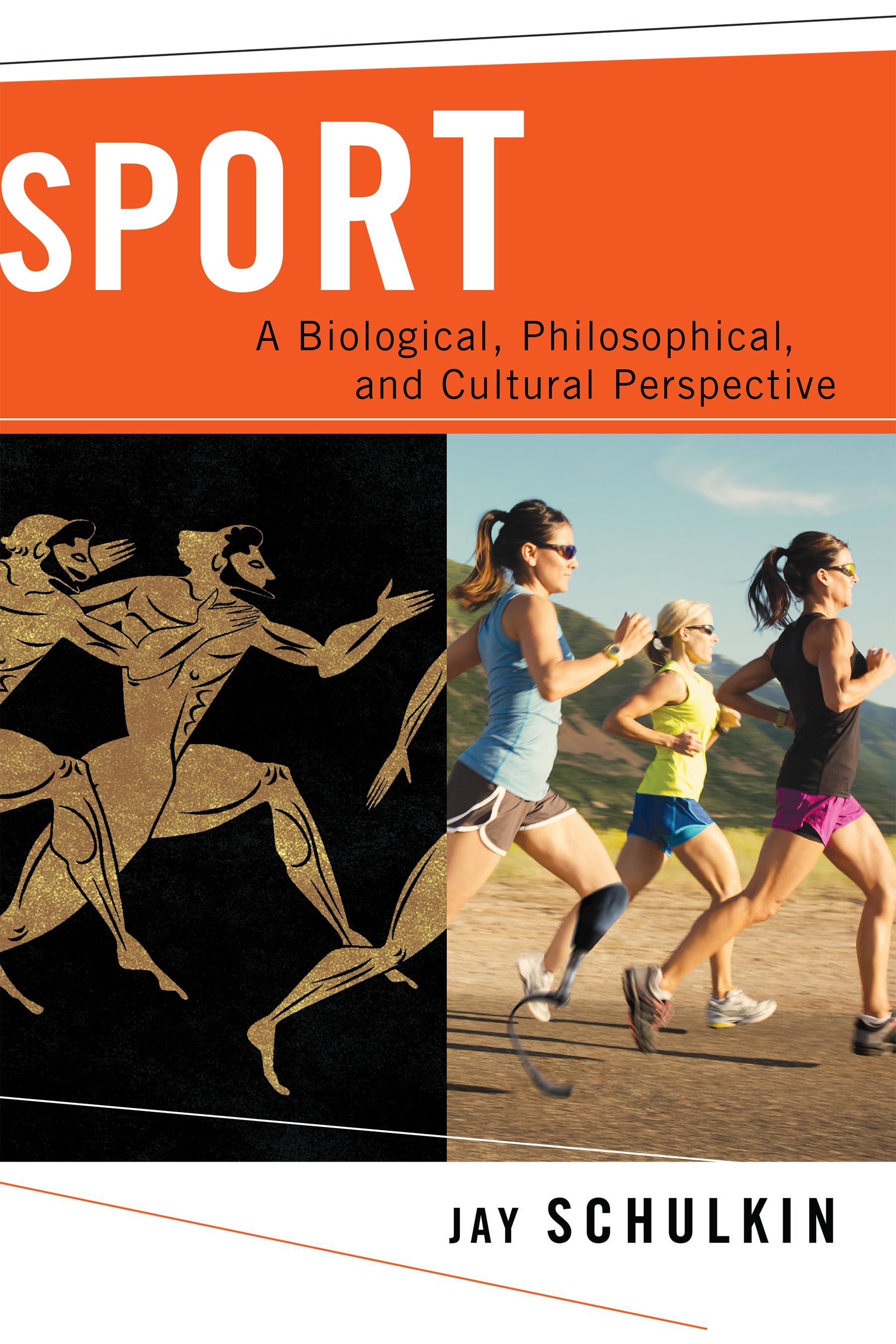
Sports are as varied as the people who play them. We run, jump, and swim. We kick, hit, and shoot balls. We ride sleds in the snow and surf in the sea. From the Olympians of ancient Greece to today's professional athletes, from adult pickup soccer games to children's gymnastics classes, people at all levels of ability at all times and in all places have engaged in sport. What drives this phenomenon?
In Sport, the neuroscientist Jay Schulkin argues that biology and culture do more than coexist when we play sports—they blend together seamlessly, propelling each other toward greater physical and intellectual achievement. To support this claim, Schulkin discusses history, literature, and art—and engages philosophical inquiry and recent behavioral research. He connects sport's basic neural requirements, including spatial and temporal awareness, inference, memory, agency, direction, competitive spirit, and endurance, to the demands of other human activities. He affirms sport's natural role as a creative evolutionary catalyst, turning the external play of sports inward and bringing insight to the diversion that defines our species. Sport, we learn, is a fundamental part of human life.
Betal enkelt med kort, Klarna, Apple Pay eller Google Pay. Ikke fornøyd? Du har alltid 14 dagers angrerett. Les mer i våre vilkår. Har du spørsmål, send oss en e-post på hello@memmo.org.
Memmo gjør det enklere å studere – uansett hvor du er i verden. Hos oss samler du pensumbøker og smarte studieverktøy på ett og samme sted: sammendrag, quizer, podkaster og flashcards. Og så Ted, din studiekompis som svarer på alt du lurer på. Over 50 000 studenter studerer allerede her – bygget for at du skal lære raskere og stresse mindre.