
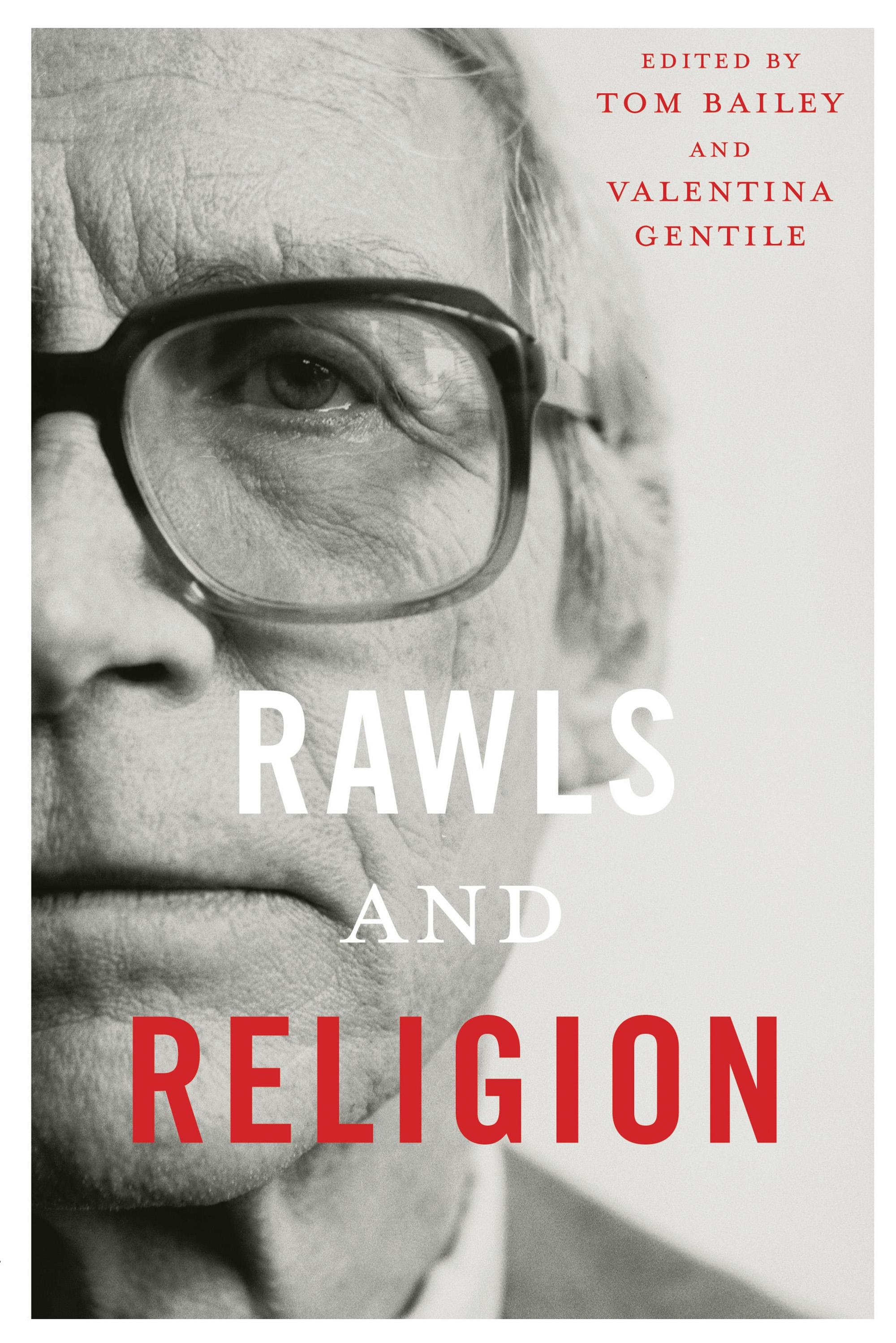
John Rawls's influential theory of justice and public reason has often been thought to exclude religion from politics, out of fear of its illiberal and destabilizing potentials. It has therefore been criticized by defenders of religion for marginalizing and alienating the wealth of religious sensibilities, voices, and demands now present in contemporary liberal societies.
In this anthology, established scholars of Rawls and the philosophy of religion reexamine and rearticulate the central tenets of Rawls's theory to show they in fact offer sophisticated resources for accommodating and responding to religions in liberal political life. The chapters reassert the subtlety, openness, and flexibility of his sense of liberal "respect" and "consensus," revealing their inclusive implications for religious citizens. They also explore the means he proposes for accommodating nonliberal religions in liberal politics, developing his conception of "public reason" into a novel account of the possibilities for rational engagement between liberal and religious ideas. And they reevaluate Rawls's liberalism from the "transcendent" perspectives of religions themselves, critically considering its normative and political value, as well as its own "religious" character. Rawls and Religion makes a unique and important contribution to contemporary debates over liberalism and its response to the proliferation of religions in contemporary political life.
Betal enkelt med kort, Klarna, Apple Pay eller Google Pay. Ikke fornøyd? Du har alltid 14 dagers angrerett. Les mer i våre vilkår. Har du spørsmål, send oss en e-post på hello@memmo.org.
Memmo gjør det enklere å studere – uansett hvor du er i verden. Hos oss samler du pensumbøker og smarte studieverktøy på ett og samme sted: sammendrag, quizer, podkaster og flashcards. Og så Ted, din studiekompis som svarer på alt du lurer på. Over 50 000 studenter studerer allerede her – bygget for at du skal lære raskere og stresse mindre.