
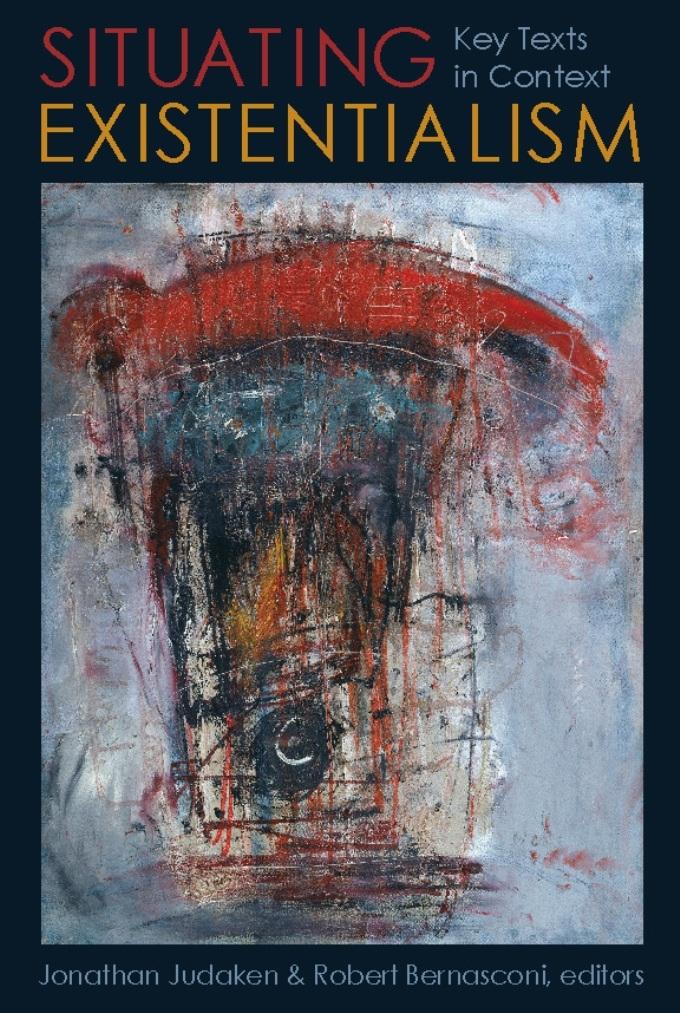
This anthology provides a history of the systemization and canonization of existentialism, a quintessentially antisystemic mode of thought. Situating existentialism within the history of ideas, it features new readings on the most influential works in the existential canon, exploring their formative contexts and the cultural dialogues of which they were a part.
Emphasizing the multidisciplinary and global nature of existential arguments, the chosen texts relate to philosophy, religion, literature, theater, and culture and reflect European, Russian, Latin American, African, and American strains of thought. Readings are grouped into three thematic categories: national contexts, existentialism and religion, and transcultural migrations that explore the reception of existentialism. The volume explains how literary giants such as Dostoevsky and Tolstoy were incorporated into the existentialist fold and how inclusion into the canon recast the work of Kierkegaard and Nietzsche, and it describes the roles played by Jaspers and Heidegger in Germany and the Paris School of existentialism in France. Essays address not only frequently assigned works but also underappreciated discoveries, underscoring their vital relevance to contemporary critical debate. Designed to speak to a new generation's concerns, the collection deploys a diverse range of voices to interrogate the fundamental questions of the human condition.
Betal enkelt med kort, Klarna, Apple Pay eller Google Pay. Ikke fornøyd? Du har alltid 14 dagers angrerett. Les mer i våre vilkår. Har du spørsmål, send oss en e-post på hello@memmo.org.
Memmo gjør det enklere å studere – uansett hvor du er i verden. Hos oss samler du pensumbøker og smarte studieverktøy på ett og samme sted: sammendrag, quizer, podkaster og flashcards. Og så Ted, din studiekompis som svarer på alt du lurer på. Over 50 000 studenter studerer allerede her – bygget for at du skal lære raskere og stresse mindre.