
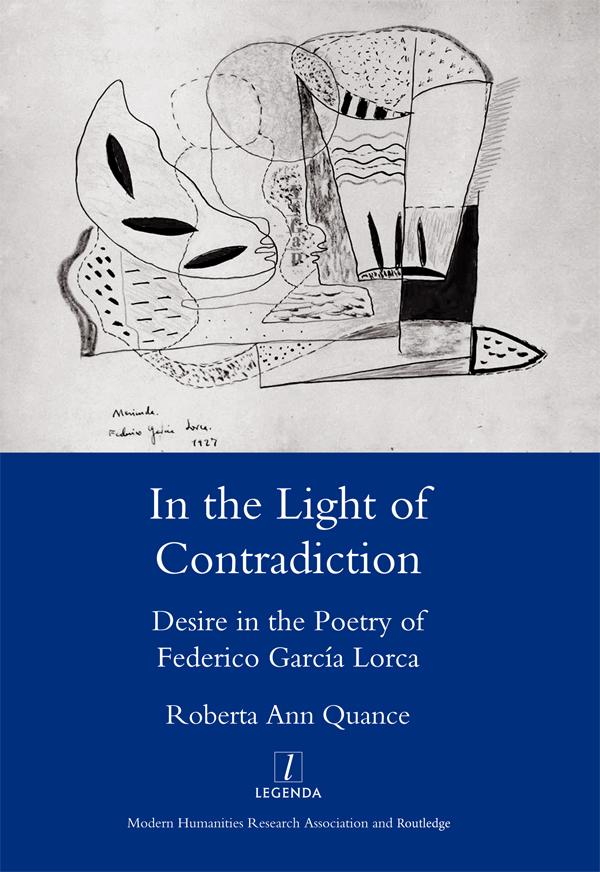
In 1926, as a young man of 28 with a growing reputation as an oral poet, Federico Garcia Lorca (1898-1936) toyed with the idea of proving his worth in writing by bringing out a boxed set of three volumes of his verse. Because the Suites , Canciones , and the Poema del cante jondo eventually came out singly (in the case of the Suites , posthumously), readers have not always realised that they formed a single body of work -- one which, Lorca himself was surprised to note, has 'una rarisima unidad', an odd unity of aims and accomplishment. This is poetry which takes up the question of desire in progressively depersonalizing ways, and shows modernism coming into being. Through renunciation, by cutting away the personal and the taboo, Lorca created a poetry that, like no other in Europe, stood between the avant-garde and oral traditions, making their contradictions his truth. Roberta Ann Quance is Senior Lecturer in Spanish at Queen's University, Belfast.
Betaal eenvoudig met kaart, Klarna, Apple Pay of Google Pay. Niet tevreden? Je hebt altijd 14 dagen bedenktijd. Lees meer in onze voorwaarden. Heb je vragen, mail ons dan via hello@memmo.org.
Memmo maakt studeren makkelijker – waar je ook bent ter wereld. Wij brengen je cursusboeken en slimme studietools samen op één plek: samenvattingen, quizzen, podcasts en flashcards. En Ted, je studievriend die antwoord geeft op alles wat je je afvraagt. Meer dan 50.000 studenten studeren hier al – gebouwd om je sneller te laten leren en minder stress te geven.
Misschien vind je dit ook leuk
Koop het boek0