
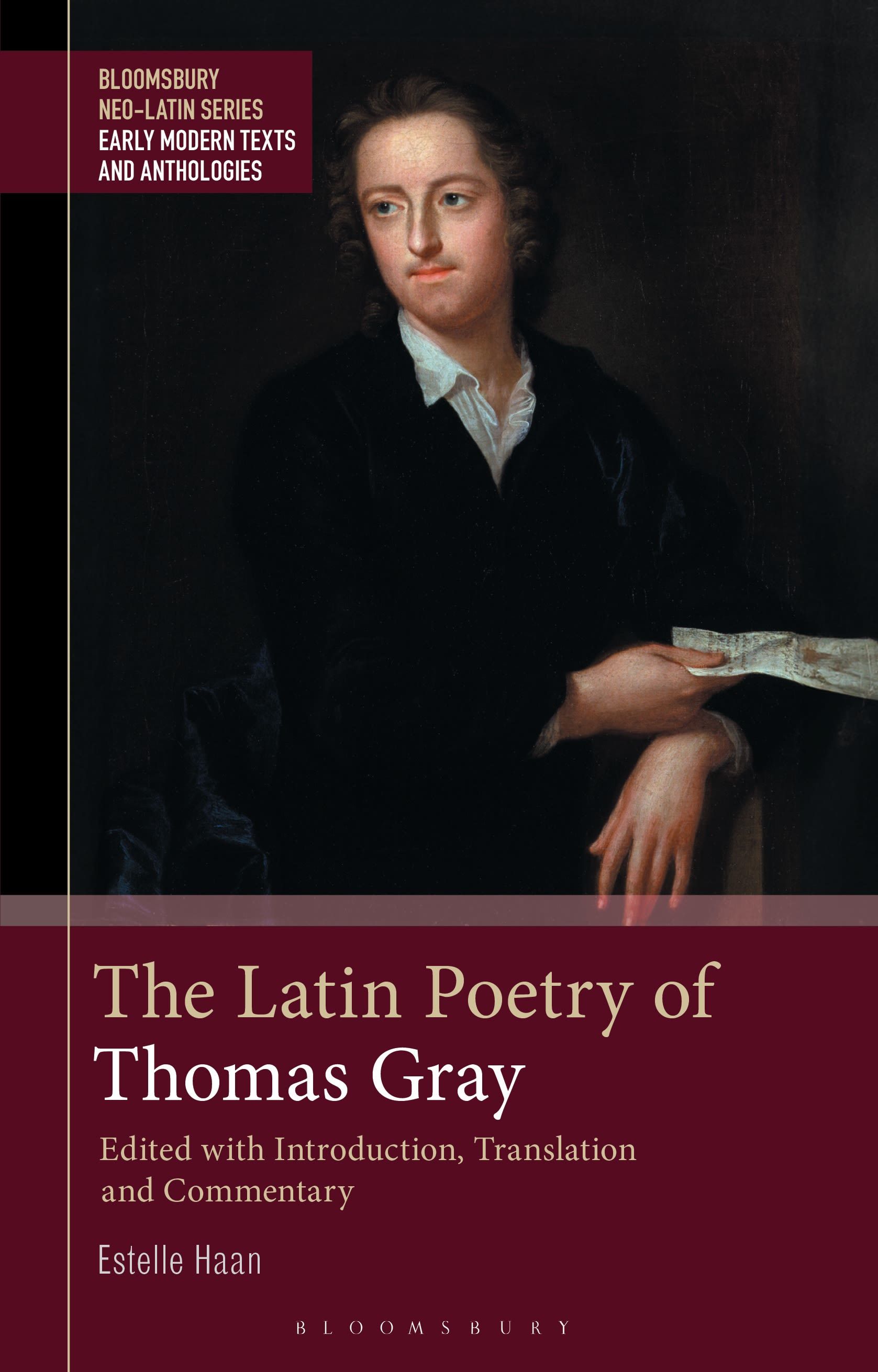
In the first full-scale edition of Thomas Gray's Latin poetry, the Latin text and facing English translation are complemented by a detailed introduction and comprehensive commentary that situate Gray's Latin verse in relation to his vernacular poetry, epistolary correspondence, and, especially, his appropriation of classical and Neo-Latin literature. This book also traces hitherto unlocated manuscripts of several of his Latin poems, and includes an editio princeps of recently discovered Latin verses pertaining to his Neapolitan sojourn.
Gray's Latin poetry presents an illuminating portrait of the artist as a young man, mapping his growth and development from his Etonian days to his undergraduate years at Cambridge University, to his continental journey and his return to England. Impressively eclectic in its scope and tone, it ranges from experimental renderings of English, Greek and Italian verse to more strikingly original pieces, including poetic reinterpretations of Alexander Pope's Essay on Man and John Locke's An Essay Concerning Humane Understanding. Gray looks back to a classical past, offering imaginative re-readings of Lucretius, Virgil and Horace. At the same time, his Latin verse is firmly rooted in a postclassical world. At its heart is the theme of presences, whether sacred, imagined, absent or remembered, conveyed with a linguistic ingenuity that facilitates the encoding of homoeroticism in a Neo-Latin language of sensibility.
Gray's Latin poetry presents an illuminating portrait of the artist as a young man, mapping his growth and development from his Etonian days to his undergraduate years at Cambridge University, to his continental journey and his return to England. Impressively eclectic in its scope and tone, it ranges from experimental renderings of English, Greek and Italian verse to more strikingly original pieces, including poetic reinterpretations of Alexander Pope's Essay on Man and John Locke's An Essay Concerning Humane Understanding. Gray looks back to a classical past, offering imaginative re-readings of Lucretius, Virgil and Horace. At the same time, his Latin verse is firmly rooted in a postclassical world. At its heart is the theme of presences, whether sacred, imagined, absent or remembered, conveyed with a linguistic ingenuity that facilitates the encoding of homoeroticism in a Neo-Latin language of sensibility.
Betaal eenvoudig met kaart, Klarna, Apple Pay of Google Pay. Niet tevreden? Je hebt altijd 14 dagen bedenktijd. Lees meer in onze voorwaarden. Heb je vragen, mail ons dan via hello@memmo.org.
Memmo maakt studeren makkelijker – waar je ook bent ter wereld. Wij brengen je cursusboeken en slimme studietools samen op één plek: samenvattingen, quizzen, podcasts en flashcards. En Ted, je studievriend die antwoord geeft op alles wat je je afvraagt. Meer dan 50.000 studenten studeren hier al – gebouwd om je sneller te laten leren en minder stress te geven.