
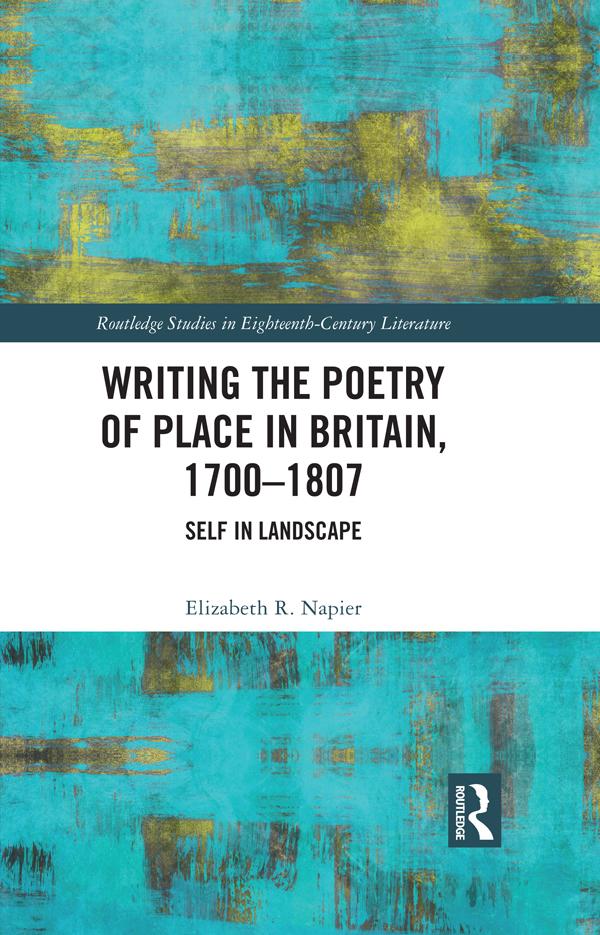
This book discusses the intrusion, often inadvertent, of personal voice into the poetry of landscape in Britain, 1700– 1807. It argues that strong conventions, such as those that inhere in topographical verse of the period, invite original poets to overstep those bounds while also shielding them from the repercussions of self-expression. Working under cover of convention in this manner and because for many of these poets place is tied in significant ways to personal history, poets of place may launch unexpected explorations into memory, personhood, and the workings of consciousness. This book thus supplements past, largely political, readings of landscape poetry, turning to questions of self-articulation and self-expression in order to argue that the autobiographical impulse is a distinctive and innovative feature of much great eighteenth-century poetry of place. Among the poets under examination are Pope, Thomson, Duck, Gray, Goldsmith, Crabbe, Cowper, Smith, and Wordsworth.
Betaal eenvoudig met kaart, Klarna, Apple Pay of Google Pay. Niet tevreden? Je hebt altijd 14 dagen bedenktijd. Lees meer in onze voorwaarden. Heb je vragen, mail ons dan via hello@memmo.org.
Memmo maakt studeren makkelijker – waar je ook bent ter wereld. Wij brengen je cursusboeken en slimme studietools samen op één plek: samenvattingen, quizzen, podcasts en flashcards. En Ted, je studievriend die antwoord geeft op alles wat je je afvraagt. Meer dan 50.000 studenten studeren hier al – gebouwd om je sneller te laten leren en minder stress te geven.