
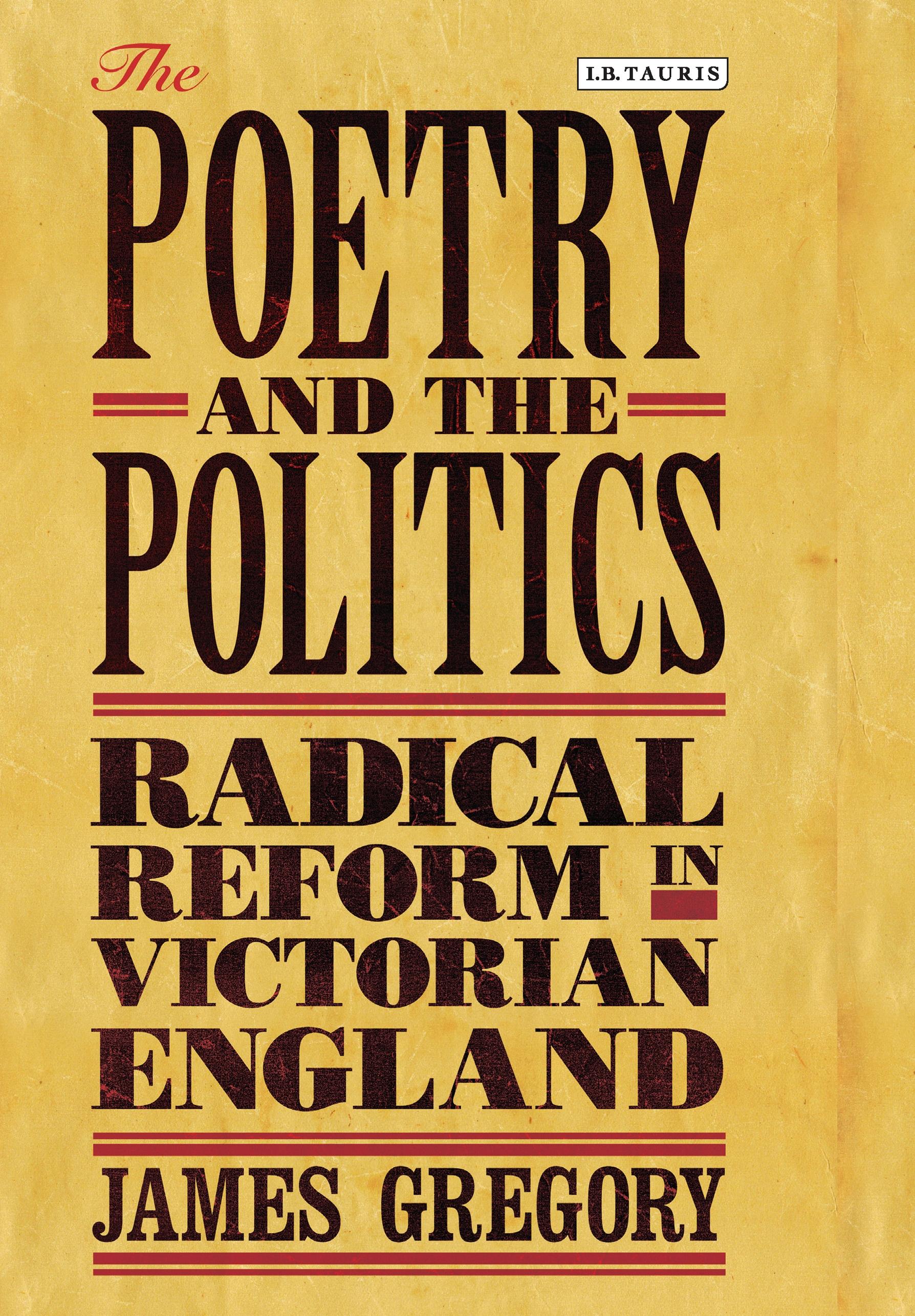
The nineteenth century was a time of 'movements' - political, social, moral reform causes - which drew on the energies of men and women across Britain. This book studies radical reform at the margins of early Victorian society, focusing on decades of particular social, political and technological ferment: when foreign and British promoters of extravagant technologically assisted utopias could attract many hundreds of supporters of limited means, persuaded to escape grim conditions by emigration to South America; when pioneers of vegetarianism joined the ranks of the temperance movement; and when working-class Chartists, reviving a struggle for political reform, seemed to threaten the State for a brief moment in April 1848. Through the forgotten figure of James Elmslie Duncan, 'shabby genteel' poet and self-proclaimed 'Apostle of the Messiahdom', The Poetry and the Politics considers themes including poetry's place in radical culture, the response of pantomime to the Chartist challenge to law and order, and associations between madness and revolution.Duncan became a promoter of the technological fantasies of John Adolphus Etzler, a poet of science who prophesied a future free from drudgery, through machinery powered by natural forces.
Etzler dreamed of crystal palaces: Duncan's public freedom was to end dramatically in 1851 just as a real crystal palace opened to an astonished world. In addition to Duncan, James Gregory also introduces a cast of other poets, earnest reformers and agitators, such as William Thom the weaver poet of Inverury, whose metropolitan feting would end in tragedy; John Goodwyn Barmby, bearded Pontiffarch of the Communist Church; a lunatic 'Invisible Poet' of Cremorne pleasure gardens; the hatter from Reading who challenged the 'feudal' restrictions of the Game Laws by tract, trespass and stuffed jay birds; and foreign exotics such as the German-born Conrad Stollmeyer, escaping the sinking of an experimental Naval Automaton in Margate to build a fortune as theAsphalt King of Trinidad.Combining these figures with the biography of a man whose literary career was eccentric and whose public antics were capitalised upon by critics of Chartist agitation, this book is essential reading for anyone interested in radical reform and popular political movements in Victorian Britain.
Etzler dreamed of crystal palaces: Duncan's public freedom was to end dramatically in 1851 just as a real crystal palace opened to an astonished world. In addition to Duncan, James Gregory also introduces a cast of other poets, earnest reformers and agitators, such as William Thom the weaver poet of Inverury, whose metropolitan feting would end in tragedy; John Goodwyn Barmby, bearded Pontiffarch of the Communist Church; a lunatic 'Invisible Poet' of Cremorne pleasure gardens; the hatter from Reading who challenged the 'feudal' restrictions of the Game Laws by tract, trespass and stuffed jay birds; and foreign exotics such as the German-born Conrad Stollmeyer, escaping the sinking of an experimental Naval Automaton in Margate to build a fortune as theAsphalt King of Trinidad.Combining these figures with the biography of a man whose literary career was eccentric and whose public antics were capitalised upon by critics of Chartist agitation, this book is essential reading for anyone interested in radical reform and popular political movements in Victorian Britain.
Betaal eenvoudig met kaart, Klarna, Apple Pay of Google Pay. Niet tevreden? Je hebt altijd 14 dagen bedenktijd. Lees meer in onze voorwaarden. Heb je vragen, mail ons dan via hello@memmo.org.
Memmo maakt studeren makkelijker – waar je ook bent ter wereld. Wij brengen je cursusboeken en slimme studietools samen op één plek: samenvattingen, quizzen, podcasts en flashcards. En Ted, je studievriend die antwoord geeft op alles wat je je afvraagt. Meer dan 50.000 studenten studeren hier al – gebouwd om je sneller te laten leren en minder stress te geven.