
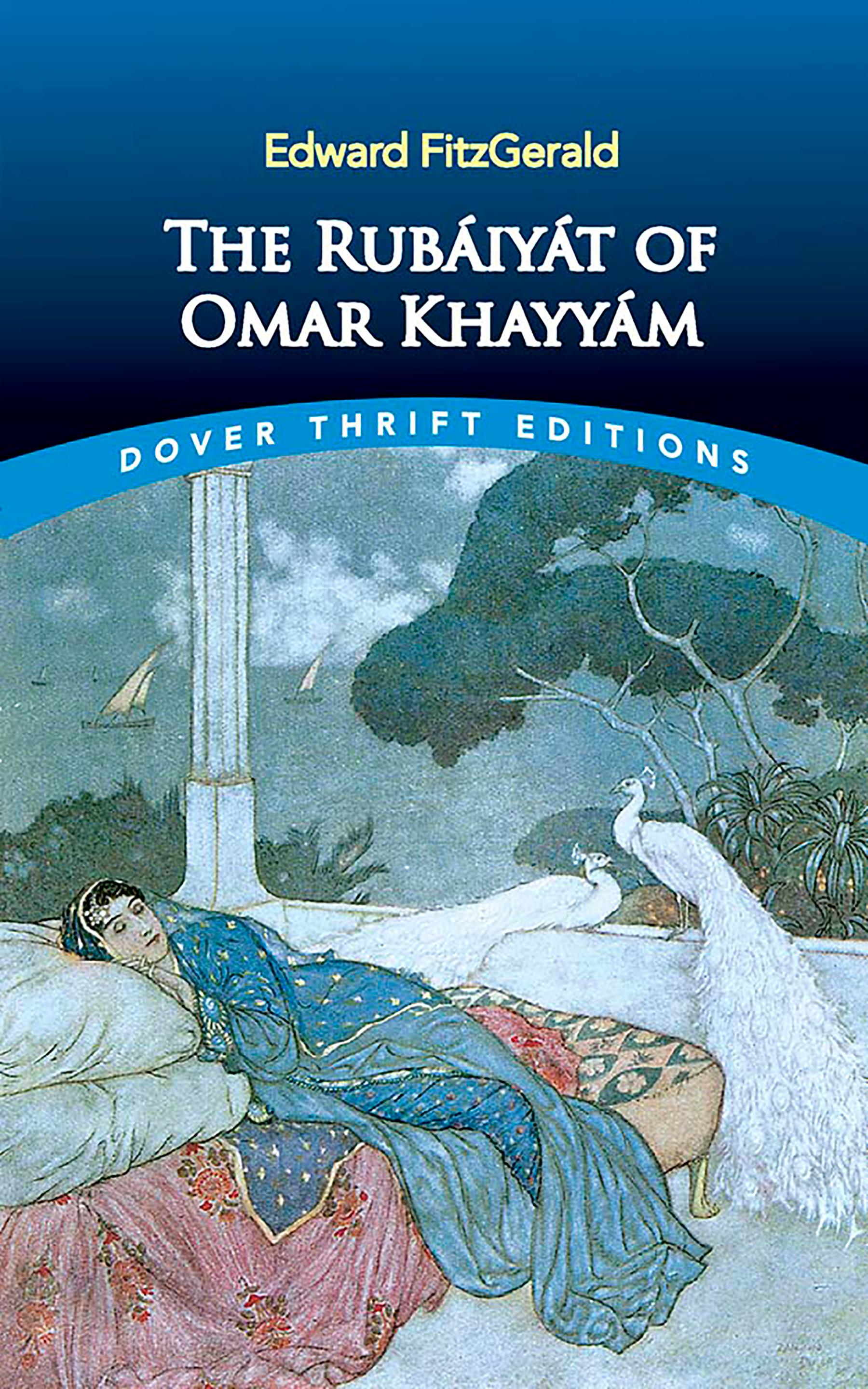
Omar Khayyám (1048–1122) was a Persian mathematician, astronomer, and a philosopher who was not known as a poet in his lifetime. Later, a body of quatrains became attached to his name, although not all were his works. These verses lay in obscurity until 1859, when Edward FitzGerald (1809–1883), an English country gentleman, published a free adaptation of this Persian poetry. After its discovery by D. G. Rossetti and others, the verse became extremely popular. Essentially a hedonist and a skeptic, Omar Khayyám, through FitzGerald, spoke with both an earthy and spiritual freedom that stirred a universal response. As a result, the Rubáiyát became one of the best-known and most often quoted English classics. The fifth edition, published posthumously in 1889, was based on FitzGerald's handwritten changes in a copy of the fourth edition, and is traditionally printed with the first edition.
Betaal eenvoudig met kaart, Klarna, Apple Pay of Google Pay. Niet tevreden? Je hebt altijd 14 dagen bedenktijd. Lees meer in onze voorwaarden. Heb je vragen, mail ons dan via hello@memmo.org.
Memmo maakt studeren makkelijker – waar je ook bent ter wereld. Wij brengen je cursusboeken en slimme studietools samen op één plek: samenvattingen, quizzen, podcasts en flashcards. En Ted, je studievriend die antwoord geeft op alles wat je je afvraagt. Meer dan 50.000 studenten studeren hier al – gebouwd om je sneller te laten leren en minder stress te geven.