
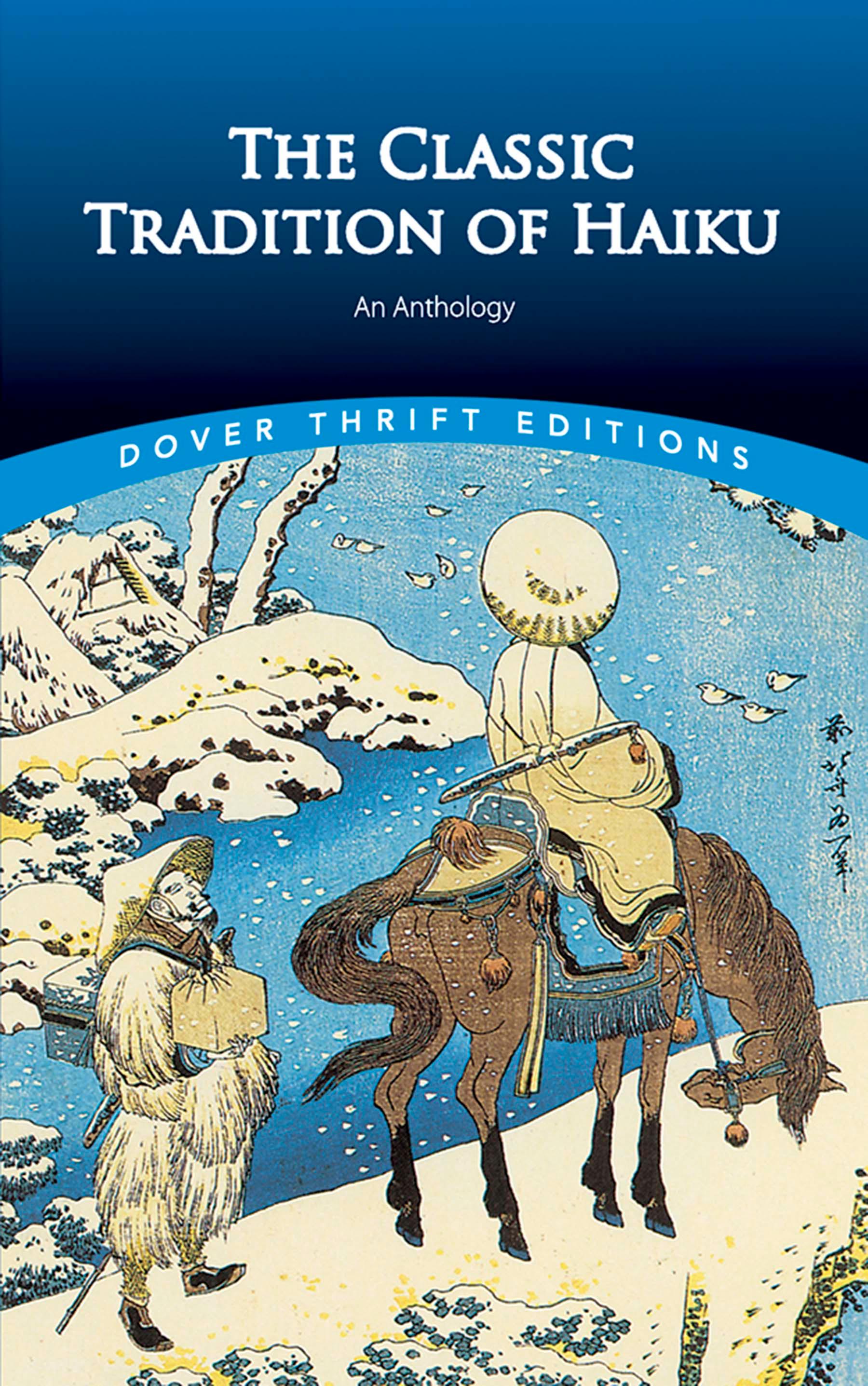
A highly distilled form of Japanese poetry, haiku consists of seventeen syllables, usually divided among three lines. Though brief, they tell a story or paint a vivid picture, leaving it to the reader to draw out the meanings and complete them in the mind's eye. Haiku often contains a hidden dualism (near and far, then and now, etc.) and has a seasonal tie-in, as well as specific word-images that reveal deeper layers in each poem.
This unique collection spans over 400 years (1488–1902) of haiku history by the greatest masters: Bashō, Issa, Shiki, and many more, in translations by top-flight scholars in the field. Haiku commands enormous respect in Japan. Now readers of poetry in the West can savor these expressive masterpieces in this treasury compiled by noted writer Faubion Bowers, who provides a Foreword and many informative notes to the poems.
Betaal eenvoudig met kaart, Klarna, Apple Pay of Google Pay. Niet tevreden? Je hebt altijd 14 dagen bedenktijd. Lees meer in onze voorwaarden. Heb je vragen, mail ons dan via hello@memmo.org.
Memmo maakt studeren makkelijker – waar je ook bent ter wereld. Wij brengen je cursusboeken en slimme studietools samen op één plek: samenvattingen, quizzen, podcasts en flashcards. En Ted, je studievriend die antwoord geeft op alles wat je je afvraagt. Meer dan 50.000 studenten studeren hier al – gebouwd om je sneller te laten leren en minder stress te geven.