
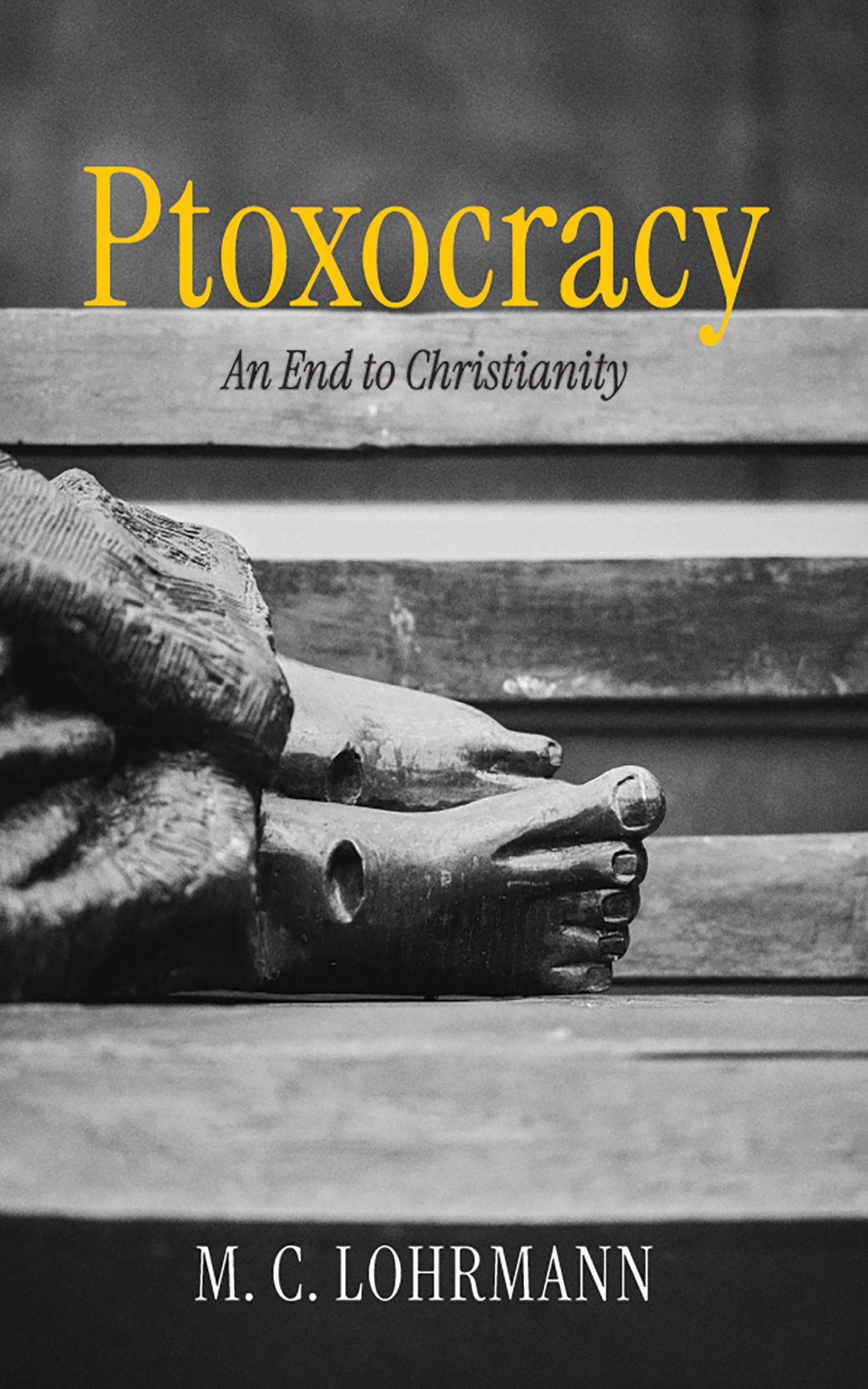
"The call of the church is ptoxocracy, either as a witness and practitioner or as its ideal standard-bearer in the world."
To have a meaningful stake in the lives of the poor, argues M. C. Lohrmann, would change the ways in which governance of all types--national or local municipalities, denominations, religious judicatories, and non-profit boards--determines its focus.
Lohrmann defines ptoxocracy (derived from the Greek ptoxoi, the poorest of the poor) as "governance by the materially poor; a hybrid form of representative democracy whereby only persons of the lowest economic status are eligible for elected public office." This model, he contends, allows us to step back from the coupling of wealth and power created by myths of meritocracy and a rich ruling class to envision a system that works for the good of the whole.
Looking to Scripture, Lohrmann follows the through-line of God's blessing of the poor in both the Hebrew and Christian canons. How might the kingdom of God appear if God's preferential option for the poor became the lens through which we organized our lives together?
Payez facilement par carte, Klarna, Apple Pay ou Google Pay. Pas satisfait ? Vous avez toujours une garantie de remboursement de 14 jours. En savoir plus dans nos conditions. Si vous avez des questions, envoyez-nous un e-mail à hello@memmo.org.
Memmo facilite tes études, où que tu sois dans le monde. On rassemble tes manuels de cours et des outils d'étude intelligents au même endroit : résumés, quiz, podcasts et flashcards. Et il y a Ted, ton compagnon d'étude qui répond à toutes tes questions. Plus de 50 000 étudiants étudient déjà ici – conçu pour t'aider à apprendre plus vite et à moins stresser.
Tu pourrais aussi aimer
Acheter le livre0