
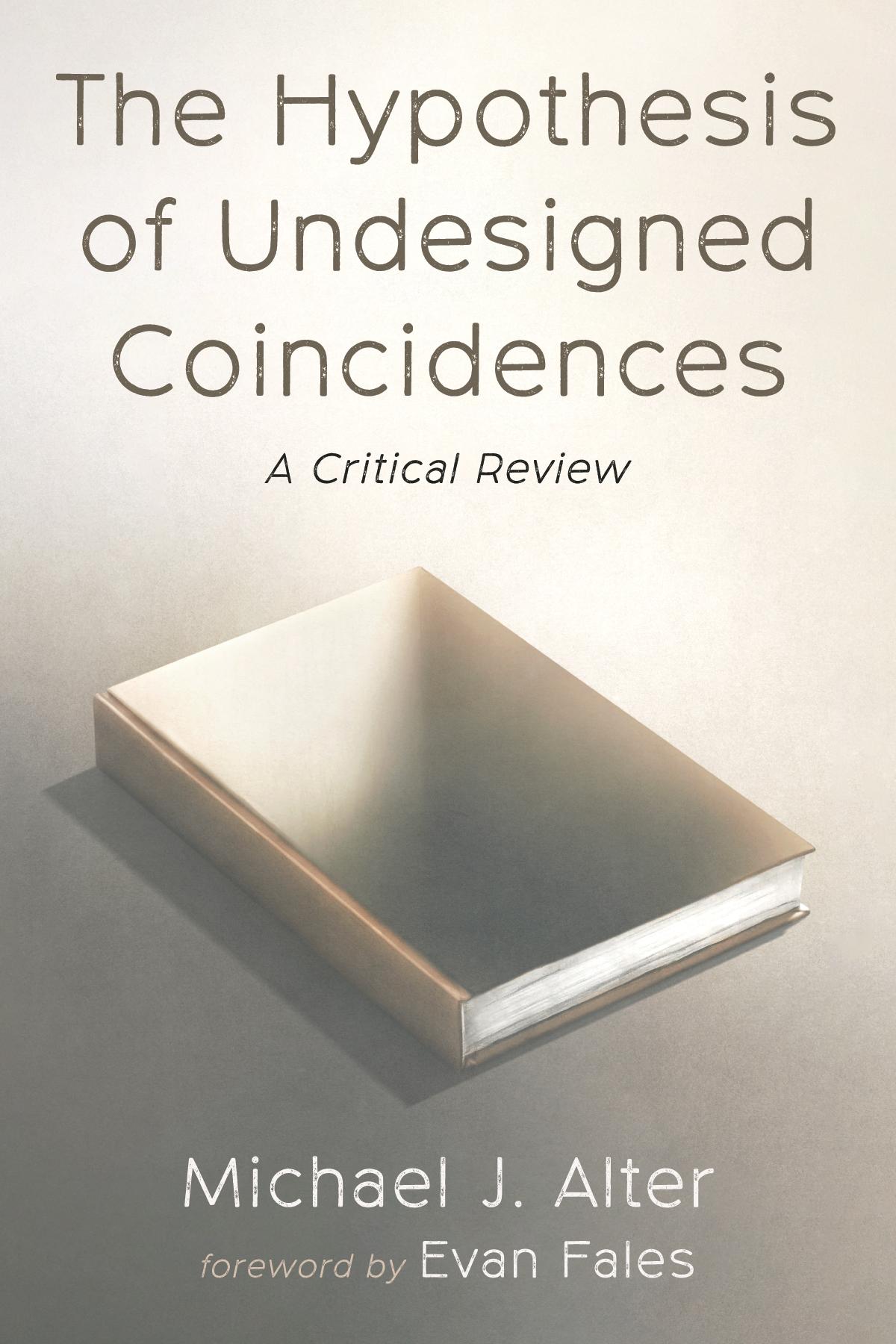
The hypothesis of Undesigned Coincidences was first proposed by William Paley (1743-1805) and later popularized by J. J. Blunt (1794-1855). More recently, Lydia and Timothy McGrew have revived this hypothesis. McGrew defines an undesigned coincidence as "a significant connection between two or more accounts or texts that does not appear to have been planned by the individuals providing the accounts. Despite their apparent independence, the elements fit together like pieces of a puzzle." Advocates use undesigned coincidences to argue that the Gospels are a compilation of independent and reliable sources. However, these advocates do not engage with biblical criticism and overlook relevant research on coincidences and casualness. The feeding of the five thousand is a prominent example discussed by proponents, who point to details such as the green grass, the location of Bethsaida, and the question posed by Jesus to Philip. These episodes are thoroughly reviewed and analyzed in The Hypothesis of Undesigned Coincidences.
Payez facilement par carte, Klarna, Apple Pay ou Google Pay. Pas satisfait ? Vous avez toujours une garantie de remboursement de 14 jours. En savoir plus dans nos conditions. Si vous avez des questions, envoyez-nous un e-mail à hello@memmo.org.
Memmo facilite tes études, où que tu sois dans le monde. On rassemble tes manuels de cours et des outils d'étude intelligents au même endroit : résumés, quiz, podcasts et flashcards. Et il y a Ted, ton compagnon d'étude qui répond à toutes tes questions. Plus de 50 000 étudiants étudient déjà ici – conçu pour t'aider à apprendre plus vite et à moins stresser.
Tu pourrais aussi aimer
Acheter le livre0