
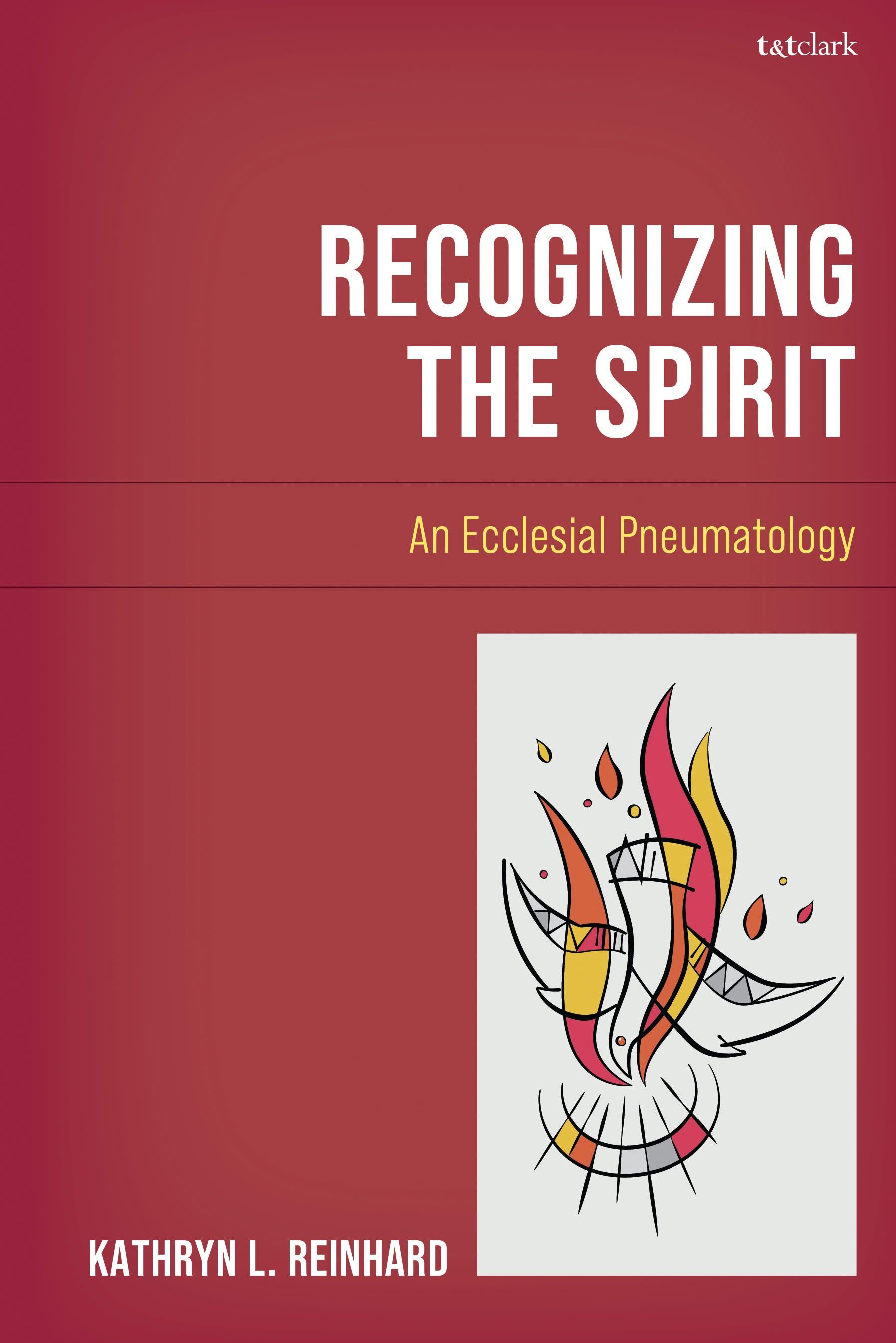
Boldly tackling the question of how to negotiate diversities in identity and practice within the unity of ecclesial relationship, this book constructs an ecclesial Pneumatology capable of addressing modern issues of church conflict and separation.
In a time of “ecumenical winter” and intra-ecclesial fracturing, the ecclesial crises of our time are at root a problem of “recognition.” Here, ecumenical recognition is supplemented with insights from Continental philosophy, literary theory, and Augustinian Pneumatology. Ultimately, this book follows the work of Eberhard Jüngel to propose a correspondence between the existence of the church and the existence of the triune God, in that both exist as “a communion of mutual otherness.”
If God is who Christians say God is––if the Spirit is and does the work that Augustine and Jüngel say it does––then Christians are incorporated into a Body whose shape we are not free to determine. God's primary recognition of believers in the church affects a secondary recognition that, despite the very real harm Christians do perpetrate against one another in our performative divisions, should make us question the extent to which we can every truly do without one another.
In a time of “ecumenical winter” and intra-ecclesial fracturing, the ecclesial crises of our time are at root a problem of “recognition.” Here, ecumenical recognition is supplemented with insights from Continental philosophy, literary theory, and Augustinian Pneumatology. Ultimately, this book follows the work of Eberhard Jüngel to propose a correspondence between the existence of the church and the existence of the triune God, in that both exist as “a communion of mutual otherness.”
If God is who Christians say God is––if the Spirit is and does the work that Augustine and Jüngel say it does––then Christians are incorporated into a Body whose shape we are not free to determine. God's primary recognition of believers in the church affects a secondary recognition that, despite the very real harm Christians do perpetrate against one another in our performative divisions, should make us question the extent to which we can every truly do without one another.
Payez facilement par carte, Klarna, Apple Pay ou Google Pay. Pas satisfait ? Vous avez toujours une garantie de remboursement de 14 jours. En savoir plus dans nos conditions. Si vous avez des questions, envoyez-nous un e-mail à hello@memmo.org.
Memmo facilite tes études, où que tu sois dans le monde. On rassemble tes manuels de cours et des outils d'étude intelligents au même endroit : résumés, quiz, podcasts et flashcards. Et il y a Ted, ton compagnon d'étude qui répond à toutes tes questions. Plus de 50 000 étudiants étudient déjà ici – conçu pour t'aider à apprendre plus vite et à moins stresser.