
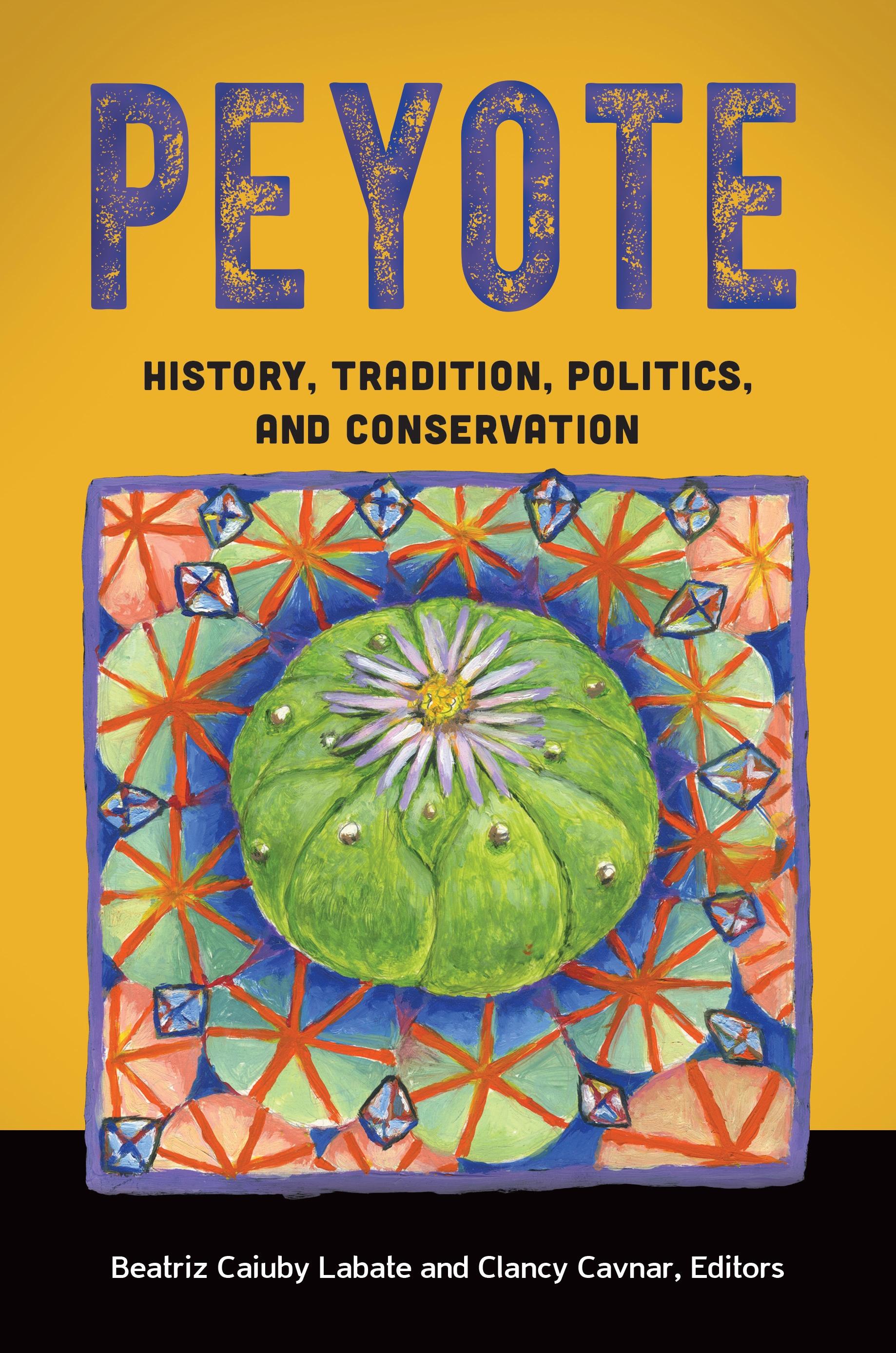
This book explains the role that peyote—a hallucinogenic cactus—plays in the religious and spiritual fulfillment of certain peoples in the United States and Mexico, and examines pressing issues concerning the regulation and conservation of peyote as well as issues of indigenous and religious rights.
Why is mescaline—an internationally controlled substance derived from peyote—given exemptions for religious use by indigenous groups in Mexico, and by the pan-indigenous Native American Church in the United States and Canada? What are the intersections of peyote use, constitutional law, and religious freedom? And why are natural populations of peyote in decline—so much so that in Mexico, peyote is considered a species needing "special protection"? This fascinating book addresses these questions and many more. It also examines the delicate relationship between "the needs of the plant" as a species and "the needs of man" to consume the species for spiritual purposes.
The authors of this work integrate the history of peyote regulation in the United States and the special "trust responsibility" relationship between the American Indians and the government into their broad examination of peyote, a hallucinogenic cactus containing mescaline that grows naturally in Mexico and southern Texas. The book's chapters document how when it comes to peyote, multiple stakeholders' interests are in conflict—as is often the case with issues that involve ethnic identity, religion, constitutional interpretation, and conservation. The expansion of peyote traditions also serves as a foundation for examining issues of international human rights law and protections for religious freedom within the global milieu of cultural transnationalism.
Why is mescaline—an internationally controlled substance derived from peyote—given exemptions for religious use by indigenous groups in Mexico, and by the pan-indigenous Native American Church in the United States and Canada? What are the intersections of peyote use, constitutional law, and religious freedom? And why are natural populations of peyote in decline—so much so that in Mexico, peyote is considered a species needing "special protection"? This fascinating book addresses these questions and many more. It also examines the delicate relationship between "the needs of the plant" as a species and "the needs of man" to consume the species for spiritual purposes.
The authors of this work integrate the history of peyote regulation in the United States and the special "trust responsibility" relationship between the American Indians and the government into their broad examination of peyote, a hallucinogenic cactus containing mescaline that grows naturally in Mexico and southern Texas. The book's chapters document how when it comes to peyote, multiple stakeholders' interests are in conflict—as is often the case with issues that involve ethnic identity, religion, constitutional interpretation, and conservation. The expansion of peyote traditions also serves as a foundation for examining issues of international human rights law and protections for religious freedom within the global milieu of cultural transnationalism.
Payez facilement par carte, Klarna, Apple Pay ou Google Pay. Pas satisfait ? Vous avez toujours une garantie de remboursement de 14 jours. En savoir plus dans nos conditions. Si vous avez des questions, envoyez-nous un e-mail à hello@memmo.org.
Memmo facilite tes études, où que tu sois dans le monde. On rassemble tes manuels de cours et des outils d'étude intelligents au même endroit : résumés, quiz, podcasts et flashcards. Et il y a Ted, ton compagnon d'étude qui répond à toutes tes questions. Plus de 50 000 étudiants étudient déjà ici – conçu pour t'aider à apprendre plus vite et à moins stresser.