
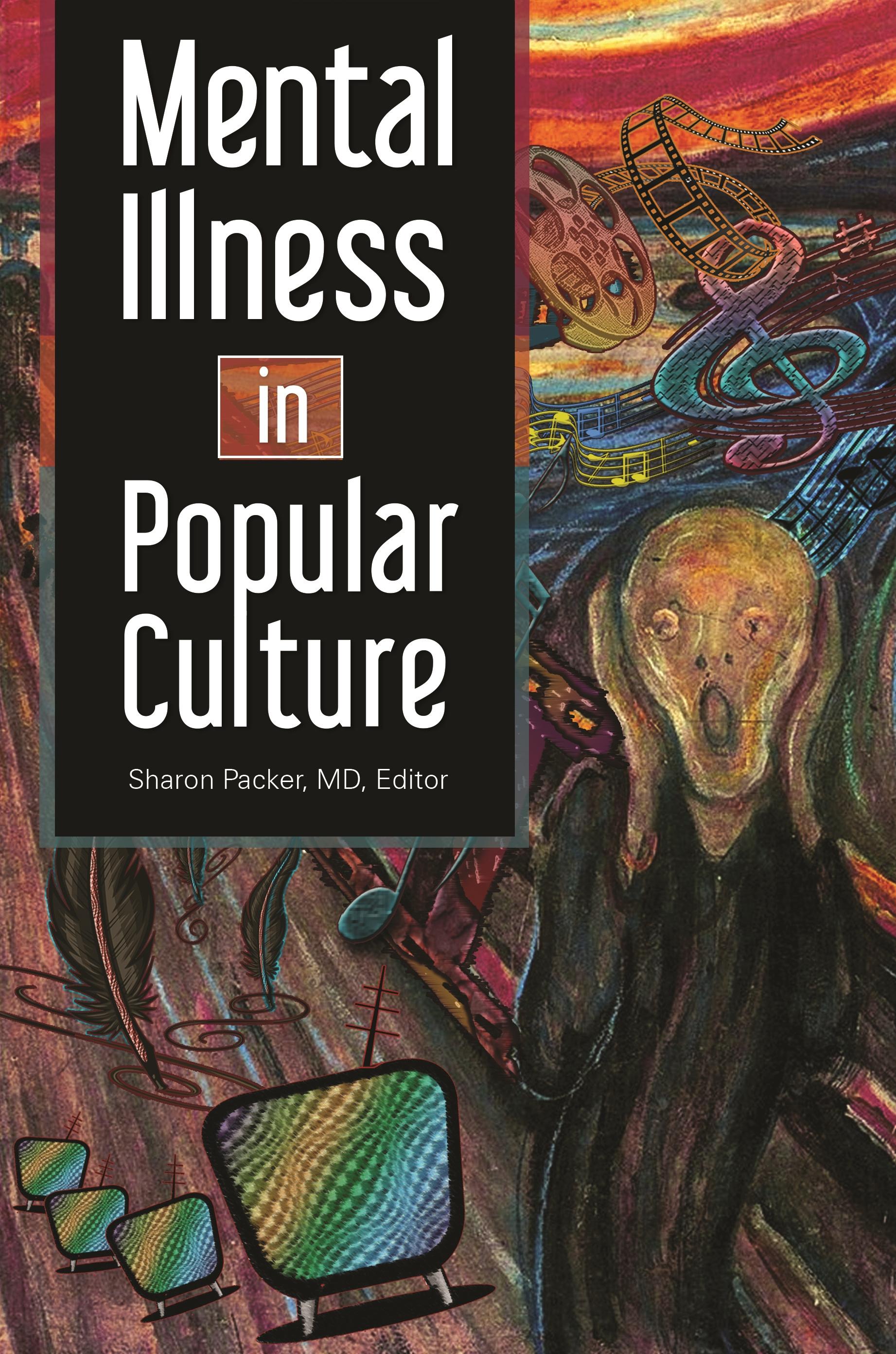
"Being crazy" is generally a negative characterization today, yet many celebrated artists, leaders, and successful individuals have achieved greatness despite suffering from mental illness. This book explores the many different representations of mental illness that exist—and sometimes persist—in both traditional and new media across eras.
Mental health professionals and advocates typically point a finger at pop culture for sensationalizing and stigmatizing mental illness, perpetuating stereotypes, and capitalizing on the increased anxiety that invariably follows mass shootings at schools, military bases, or workplaces; on public transportation; or at large public gatherings. While drugs or street gangs were once most often blamed for public violence, the upswing of psychotic perpetrators casts a harsher light on mental illness and commands media's attention. What aspects of popular culture could play a role in mental health across the nation? How accurate and influential are the various media representations of mental illness? Or are there unsung positive portrayals of mental illness?
This standout work on the intersections of pop culture and mental illness brings informed perspectives and necessary context to the myriad topics within these important, timely, and controversial issues. Divided into five sections, the book covers movies; television; popular literature, encompassing novels, poetry, and memoirs; the visual arts, such as fine art, video games, comics, and graphic novels; and popular music, addressing lyrics and musicians' lives. Some of the essays reference multiple media, such as a filmic adaptation of a memoir or a video game adaptation of a story or characters that were originally in comics. With roughly 20 percent of U.S. citizens taking psychotropic prescriptions or carrying a psychiatric diagnosis, this timely topic is relevant to far more individuals than many people would admit.
Mental health professionals and advocates typically point a finger at pop culture for sensationalizing and stigmatizing mental illness, perpetuating stereotypes, and capitalizing on the increased anxiety that invariably follows mass shootings at schools, military bases, or workplaces; on public transportation; or at large public gatherings. While drugs or street gangs were once most often blamed for public violence, the upswing of psychotic perpetrators casts a harsher light on mental illness and commands media's attention. What aspects of popular culture could play a role in mental health across the nation? How accurate and influential are the various media representations of mental illness? Or are there unsung positive portrayals of mental illness?
This standout work on the intersections of pop culture and mental illness brings informed perspectives and necessary context to the myriad topics within these important, timely, and controversial issues. Divided into five sections, the book covers movies; television; popular literature, encompassing novels, poetry, and memoirs; the visual arts, such as fine art, video games, comics, and graphic novels; and popular music, addressing lyrics and musicians' lives. Some of the essays reference multiple media, such as a filmic adaptation of a memoir or a video game adaptation of a story or characters that were originally in comics. With roughly 20 percent of U.S. citizens taking psychotropic prescriptions or carrying a psychiatric diagnosis, this timely topic is relevant to far more individuals than many people would admit.
Payez facilement par carte, Klarna, Apple Pay ou Google Pay. Pas satisfait ? Vous avez toujours une garantie de remboursement de 14 jours. En savoir plus dans nos conditions. Si vous avez des questions, envoyez-nous un e-mail à hello@memmo.org.
Memmo facilite tes études, où que tu sois dans le monde. On rassemble tes manuels de cours et des outils d'étude intelligents au même endroit : résumés, quiz, podcasts et flashcards. Et il y a Ted, ton compagnon d'étude qui répond à toutes tes questions. Plus de 50 000 étudiants étudient déjà ici – conçu pour t'aider à apprendre plus vite et à moins stresser.