
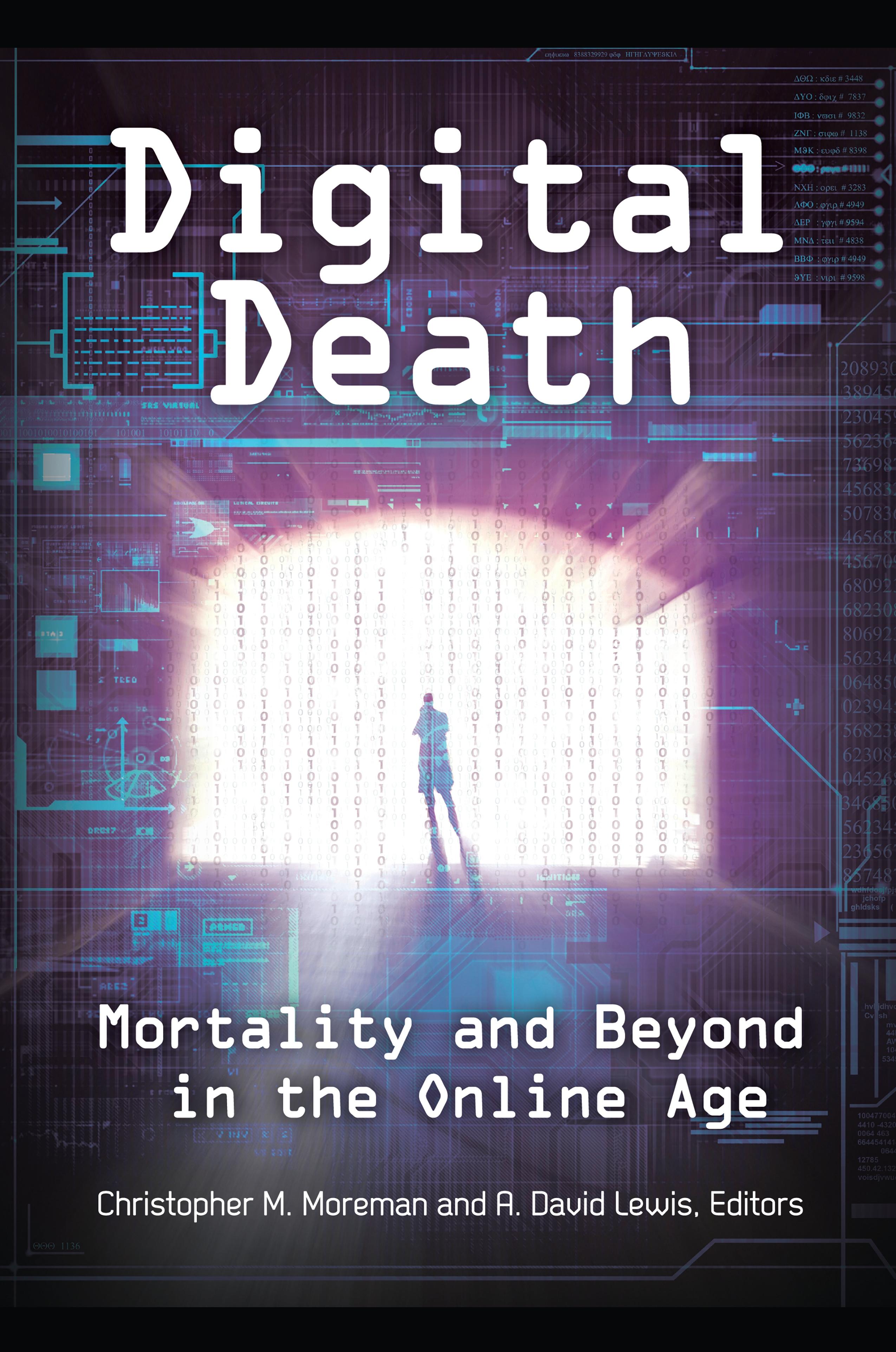
This fascinating work explores the meaning of death in the digital age, showing readers the new ways digital technology allows humans to approach, prepare for, and handle their ultimate destiny.
With DeadSocial™ one can create messages to be published to social networks after death. Facebook's "If I Die" enables users to create a video or text message for posthumous publication. Twitter _LIVESON accounts will keep tweeting even after the user is gone. There is no doubt that the digital age has radically changed options related to death, dying, grieving, and remembering, allowing people to say goodbye in their own time and their own unique way.
Drawing from a range of academic perspectives, this book is the only serious study to focus on the ways in which death, dying, and memorialization appear in and are influenced by digital technology. The work investigates phenomena, devices, and audiences as they affect mortality, remembrances, grieving, posthumous existence, and afterlife experience. It examines the markets to which the providers of such services are responding, and it analyzes the degree to which digital media is changing views and expectations related to death. Ultimately, the contributors seek to answer an even more important question: how digital existences affect both real-world perceptions of life's end and the way in which lives are actually lived.
With DeadSocial™ one can create messages to be published to social networks after death. Facebook's "If I Die" enables users to create a video or text message for posthumous publication. Twitter _LIVESON accounts will keep tweeting even after the user is gone. There is no doubt that the digital age has radically changed options related to death, dying, grieving, and remembering, allowing people to say goodbye in their own time and their own unique way.
Drawing from a range of academic perspectives, this book is the only serious study to focus on the ways in which death, dying, and memorialization appear in and are influenced by digital technology. The work investigates phenomena, devices, and audiences as they affect mortality, remembrances, grieving, posthumous existence, and afterlife experience. It examines the markets to which the providers of such services are responding, and it analyzes the degree to which digital media is changing views and expectations related to death. Ultimately, the contributors seek to answer an even more important question: how digital existences affect both real-world perceptions of life's end and the way in which lives are actually lived.
Payez facilement par carte, Klarna, Apple Pay ou Google Pay. Pas satisfait ? Vous avez toujours une garantie de remboursement de 14 jours. En savoir plus dans nos conditions. Si vous avez des questions, envoyez-nous un e-mail à hello@memmo.org.
Memmo facilite tes études, où que tu sois dans le monde. On rassemble tes manuels de cours et des outils d'étude intelligents au même endroit : résumés, quiz, podcasts et flashcards. Et il y a Ted, ton compagnon d'étude qui répond à toutes tes questions. Plus de 50 000 étudiants étudient déjà ici – conçu pour t'aider à apprendre plus vite et à moins stresser.