
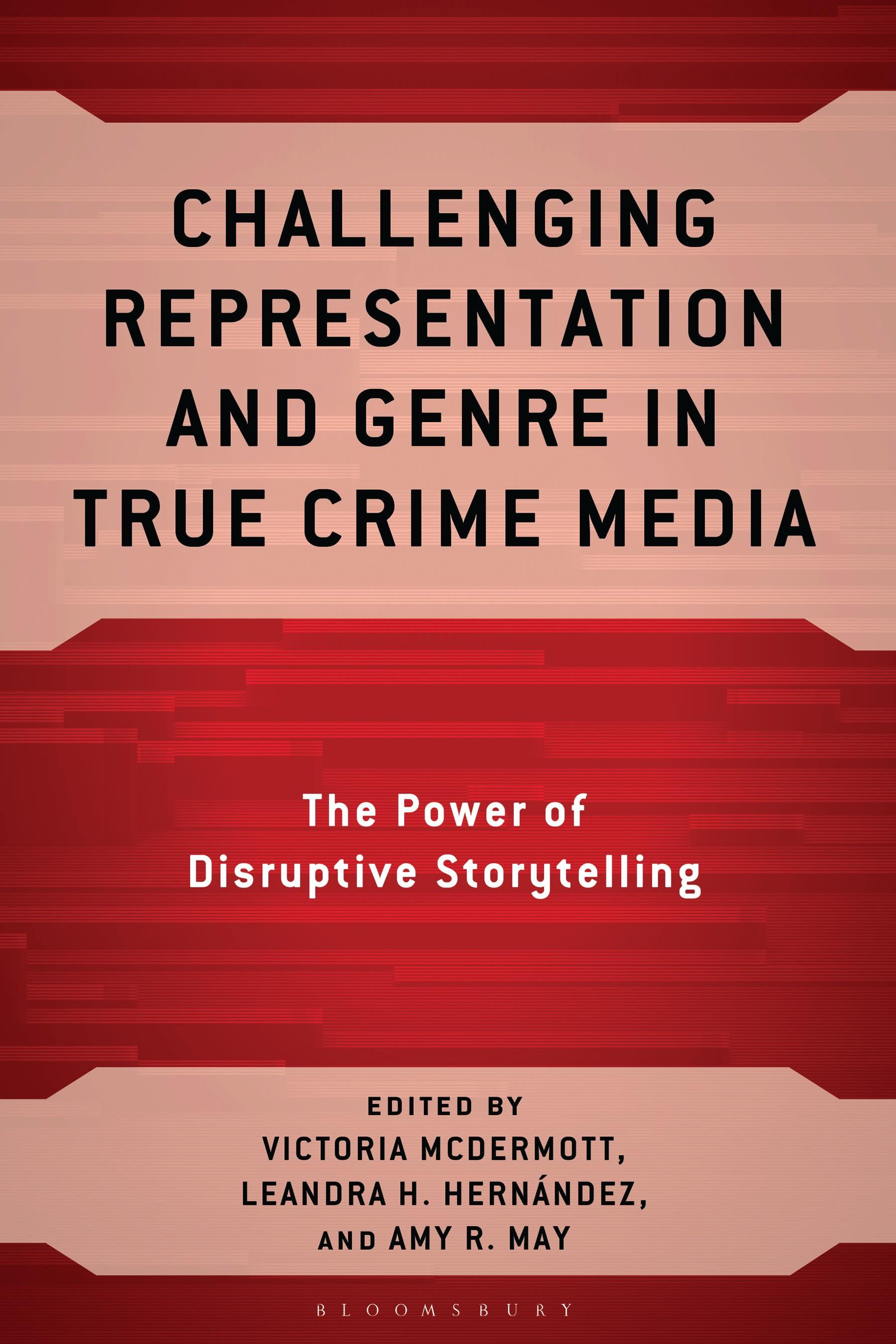
Contributors explore how true crime media creators and audiences can disrupt traditional approaches to storytelling in the creation, promotion, and consumption of the genre, raising critical questions about power structures including ethics, representation, and voice.
Traditional approaches to true crime narratives follow a formulaic story arc that is often exploitative in nature, typically foregrounding the lived experiences of the perpetrator and the rationalizations for their crimes and told through the lens of law enforcement. Contributors qualitatively analyze a variety of digitally mediated true crime content including news discourses, podcasts like Last Podcast on the Left, and television series like The People v. O. J. Simpson: American Crime Story to illuminate the significant limitations of this approach.
Rather than taking a negative stance, however, this volume instead emphasizes the possibilities that this genre has to offer by challenging scholars, practitioners, and educators to rethink their own place in the current landscape. How can we as creators, consumers, and critics harness true crime narratives in ways that honor victims and communities, uphold accurate and respectful representations, challenge dominant narratives within criminal justice, and ultimately transform the true crime genre through innovation?
Traditional approaches to true crime narratives follow a formulaic story arc that is often exploitative in nature, typically foregrounding the lived experiences of the perpetrator and the rationalizations for their crimes and told through the lens of law enforcement. Contributors qualitatively analyze a variety of digitally mediated true crime content including news discourses, podcasts like Last Podcast on the Left, and television series like The People v. O. J. Simpson: American Crime Story to illuminate the significant limitations of this approach.
Rather than taking a negative stance, however, this volume instead emphasizes the possibilities that this genre has to offer by challenging scholars, practitioners, and educators to rethink their own place in the current landscape. How can we as creators, consumers, and critics harness true crime narratives in ways that honor victims and communities, uphold accurate and respectful representations, challenge dominant narratives within criminal justice, and ultimately transform the true crime genre through innovation?
Pages: 288
Catégorie: Film- & Medievetenskap
e-ISBN: 9781978767911
Poids d'expédition: 1.2 kg
Expédié sous: 1-2 jours
Payez facilement par carte, Klarna, Apple Pay ou Google Pay. Pas satisfait ? Vous avez toujours une garantie de remboursement de 14 jours. En savoir plus dans nos conditions. Si vous avez des questions, envoyez-nous un e-mail à hello@memmo.org.
Memmo facilite tes études, où que tu sois dans le monde. On rassemble tes manuels de cours et des outils d'étude intelligents au même endroit : résumés, quiz, podcasts et flashcards. Et il y a Ted, ton compagnon d'étude qui répond à toutes tes questions. Plus de 50 000 étudiants étudient déjà ici – conçu pour t'aider à apprendre plus vite et à moins stresser.