
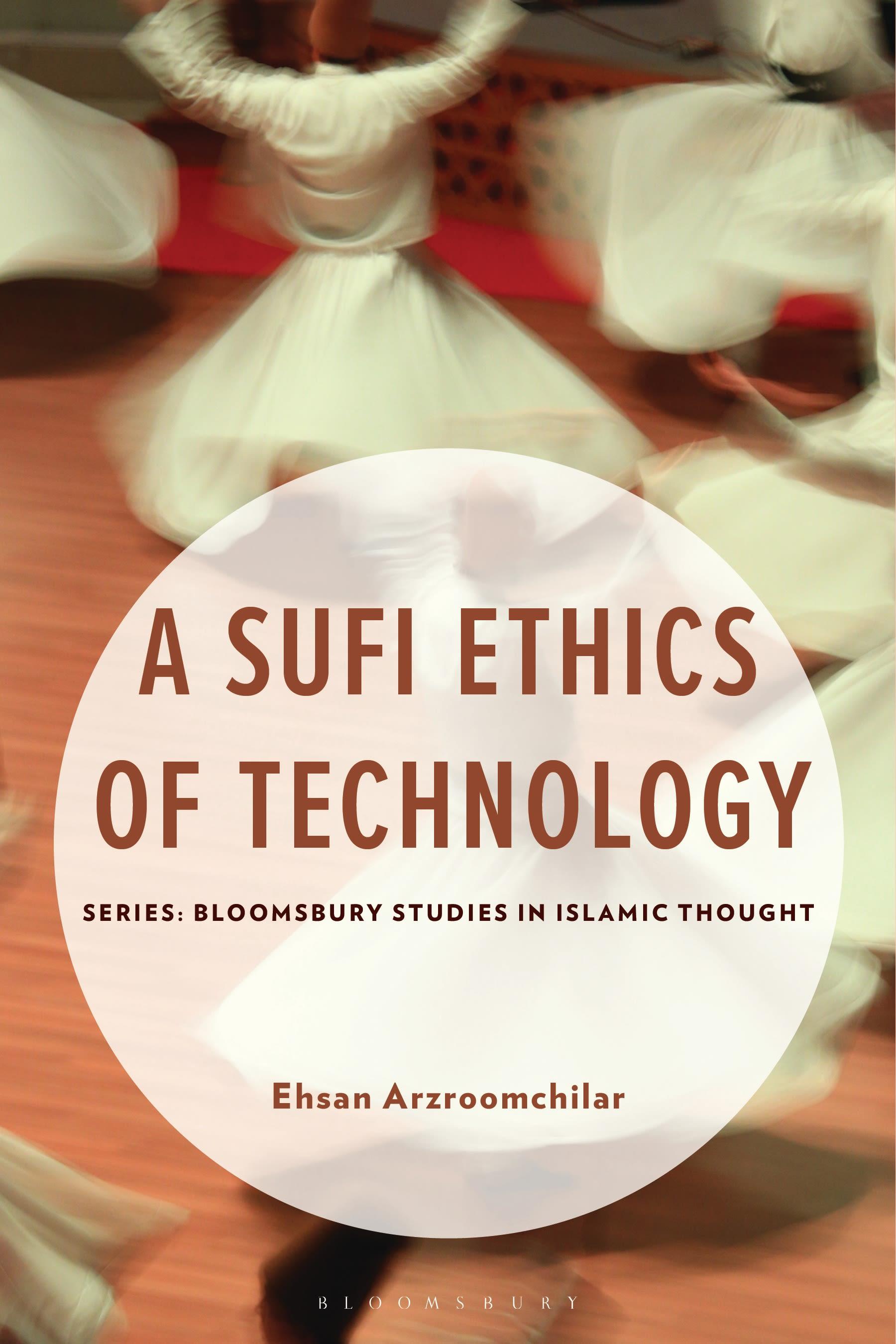
The book develops an Islamic account of technology with a particular emphasis on the tradition of virtue ethics.
Ehsan Arzroomchilar contends that technology, inherently imbued with cultural, social, and moral baggage, can never be neutral. As such, technology generates novel ethical challenges and raises questions which unsettle long-standing moral intuitions. In a rapidly advancing and religiously pluralistic world, an investigation of the intersection of technology and Islam, offered here, is both timely and imperative. Tapping into rich histories of intellectual and technological engagement within Sufism, this book contends that Sufism models one of the most promising frameworks for an ethics of technology today-not only because of its virtue-oriented orientation, which resonates with contemporary virtue-based approaches, but also due to the positive role it accords to material artifacts. By grounding an ethical consideration of technology within the lived experience and religion of Sufis, represented by a close study of calligraphy, Arzroomchilar uncovers profound insights into the significance of the body and technology in processes of moral and spiritual transformation offered by Sufism. This book weaves together historical, philosophical, religious, and ethical threads, providing a comprehensive and insightful exploration of Islam's role in navigating the challenges and opportunities presented by our technological age.
Ehsan Arzroomchilar contends that technology, inherently imbued with cultural, social, and moral baggage, can never be neutral. As such, technology generates novel ethical challenges and raises questions which unsettle long-standing moral intuitions. In a rapidly advancing and religiously pluralistic world, an investigation of the intersection of technology and Islam, offered here, is both timely and imperative. Tapping into rich histories of intellectual and technological engagement within Sufism, this book contends that Sufism models one of the most promising frameworks for an ethics of technology today-not only because of its virtue-oriented orientation, which resonates with contemporary virtue-based approaches, but also due to the positive role it accords to material artifacts. By grounding an ethical consideration of technology within the lived experience and religion of Sufis, represented by a close study of calligraphy, Arzroomchilar uncovers profound insights into the significance of the body and technology in processes of moral and spiritual transformation offered by Sufism. This book weaves together historical, philosophical, religious, and ethical threads, providing a comprehensive and insightful exploration of Islam's role in navigating the challenges and opportunities presented by our technological age.
Pages: 144
Catégorie: Religion & Teologi
e-ISBN: 9781978766808
Poids d'expédition: 1.2 kg
Expédié sous: 1-2 jours
Payez facilement par carte, Klarna, Apple Pay ou Google Pay. Pas satisfait ? Vous avez toujours une garantie de remboursement de 14 jours. En savoir plus dans nos conditions. Si vous avez des questions, envoyez-nous un e-mail à hello@memmo.org.
Memmo facilite tes études, où que tu sois dans le monde. On rassemble tes manuels de cours et des outils d'étude intelligents au même endroit : résumés, quiz, podcasts et flashcards. Et il y a Ted, ton compagnon d'étude qui répond à toutes tes questions. Plus de 50 000 étudiants étudient déjà ici – conçu pour t'aider à apprendre plus vite et à moins stresser.