
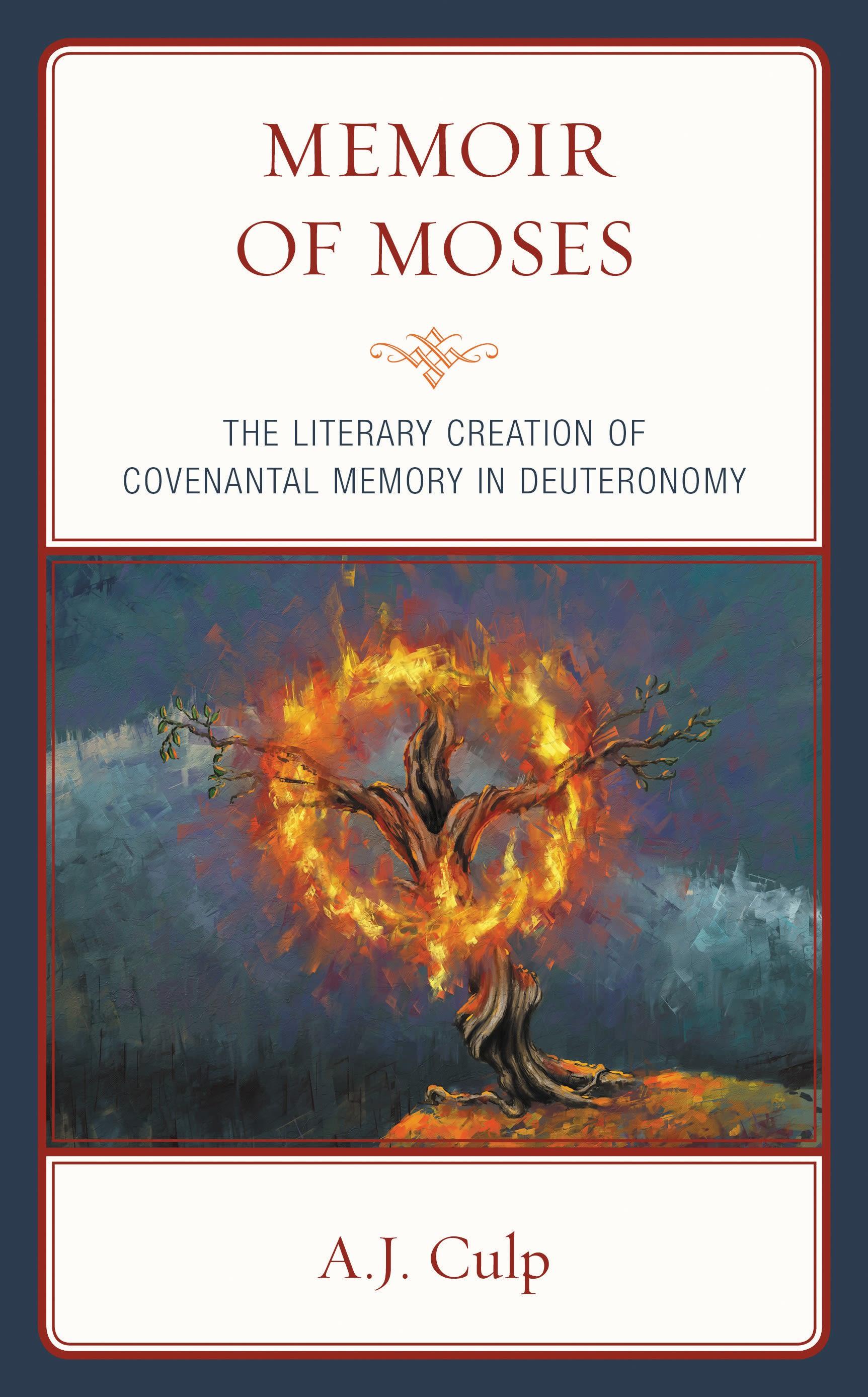
Deuteronomy characterizes memory as the key to Israel’s covenantal loyalty and commands its cultivation in the generations to come, and the book portrays itself as the foundation for this ongoing memory program. For this reason, Deuteronomy is considered to be an ancient collective memory text. However, recent scholarship has not focused on the book as a formative agent, leaving fundamental questions about the book unanswered: Why does Deuteronomy see memory as important in the first place? How does it seek to cultivate this memory in the people?
A. J. Culp answers these questions by exploring Deuteronomy as a formative memory text and bringing contemporary memory theory into dialogue with biblical scholarship.Culp shows that Deuteronomy has tailored memory to its unique theology and purposes, a fact that both illuminates puzzling aspects of the text and challenges long-held views in scholarship, such as those regarding aniconism.
A. J. Culp answers these questions by exploring Deuteronomy as a formative memory text and bringing contemporary memory theory into dialogue with biblical scholarship.Culp shows that Deuteronomy has tailored memory to its unique theology and purposes, a fact that both illuminates puzzling aspects of the text and challenges long-held views in scholarship, such as those regarding aniconism.
Payez facilement par carte, Klarna, Apple Pay ou Google Pay. Pas satisfait ? Vous avez toujours une garantie de remboursement de 14 jours. En savoir plus dans nos conditions. Si vous avez des questions, envoyez-nous un e-mail à hello@memmo.org.
Memmo facilite tes études, où que tu sois dans le monde. On rassemble tes manuels de cours et des outils d'étude intelligents au même endroit : résumés, quiz, podcasts et flashcards. Et il y a Ted, ton compagnon d'étude qui répond à toutes tes questions. Plus de 50 000 étudiants étudient déjà ici – conçu pour t'aider à apprendre plus vite et à moins stresser.