
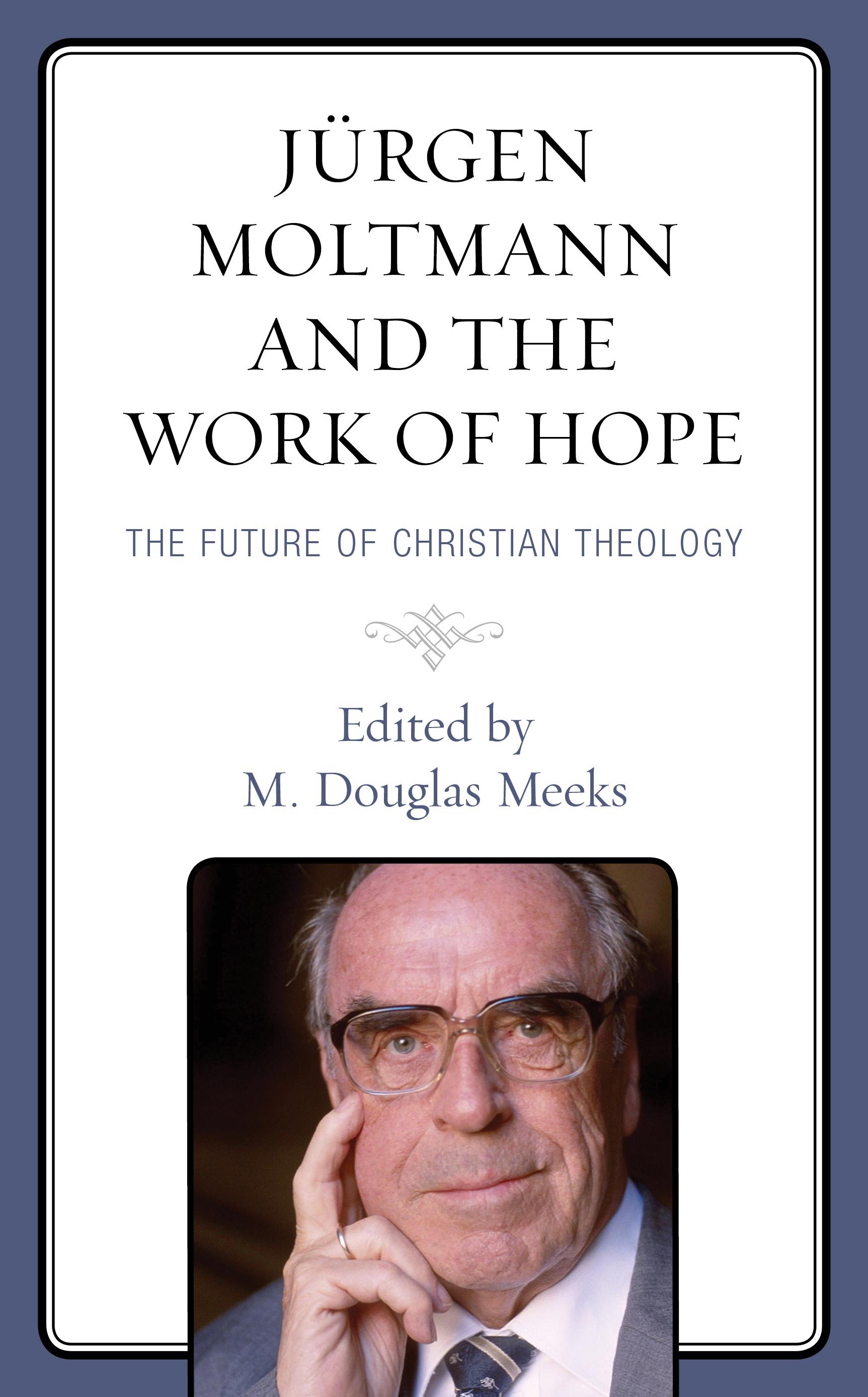
These essays reflect on the future of Christian theology in light of the contributions Jürgen Moltmann has made in his prolific career as one of the world’s foremost theologians. They are not a prediction of what is coming in the future of theology, since God’s own actions, and human history, for that matter, are not predictable. Expressed here is hope for what future theology should take seriously from Moltmann’s work.
Moltmann broke the mold of 19th and 20th century theology by focusing consistently on God’s promises of a new heaven and a new earth. The result was a theological imagination that is utterly realistic, delighting in the creative tension of theology that lives in an unfinished, open field of negations and possibilities. Hope for the promised future of God casts its light on present sufferings that contradict that future. The prominent themes here focus on the contradictions of God’s promises and God’s justice. The essays see clearly the human domination that leads to the oppression of nature, the hatred of the poor, the dominance of one gender over the other, the migration of those who find no home in their homeland, and the wounds of neocolonialism. For Moltmann, these sufferings do not belong simply to ethics but to the heart of theology. The doctrines of creation, redemption, and new creation are fully engaged in the political, economic, ecological, and social problems of this time. Here lies the way ecumenism will be reborn in the future.
The essays argue that theology should not turn aside from Moltmann’s main theme of the resurrection of the Crucified One and of the presence of God’s future in the present. Hope opens our eyes to the work of God’s Spirit of Life and the affirmation of eternal life in the present. The future of Christian theology should not miss the theme of joy in the face of sin, death, and evil and the celebration of God’s cosmic, all-inclusive future in which God will be at home in God’s creation.
Moltmann broke the mold of 19th and 20th century theology by focusing consistently on God’s promises of a new heaven and a new earth. The result was a theological imagination that is utterly realistic, delighting in the creative tension of theology that lives in an unfinished, open field of negations and possibilities. Hope for the promised future of God casts its light on present sufferings that contradict that future. The prominent themes here focus on the contradictions of God’s promises and God’s justice. The essays see clearly the human domination that leads to the oppression of nature, the hatred of the poor, the dominance of one gender over the other, the migration of those who find no home in their homeland, and the wounds of neocolonialism. For Moltmann, these sufferings do not belong simply to ethics but to the heart of theology. The doctrines of creation, redemption, and new creation are fully engaged in the political, economic, ecological, and social problems of this time. Here lies the way ecumenism will be reborn in the future.
The essays argue that theology should not turn aside from Moltmann’s main theme of the resurrection of the Crucified One and of the presence of God’s future in the present. Hope opens our eyes to the work of God’s Spirit of Life and the affirmation of eternal life in the present. The future of Christian theology should not miss the theme of joy in the face of sin, death, and evil and the celebration of God’s cosmic, all-inclusive future in which God will be at home in God’s creation.
Payez facilement par carte, Klarna, Apple Pay ou Google Pay. Pas satisfait ? Vous avez toujours une garantie de remboursement de 14 jours. En savoir plus dans nos conditions. Si vous avez des questions, envoyez-nous un e-mail à hello@memmo.org.
Memmo facilite tes études, où que tu sois dans le monde. On rassemble tes manuels de cours et des outils d'étude intelligents au même endroit : résumés, quiz, podcasts et flashcards. Et il y a Ted, ton compagnon d'étude qui répond à toutes tes questions. Plus de 50 000 étudiants étudient déjà ici – conçu pour t'aider à apprendre plus vite et à moins stresser.