
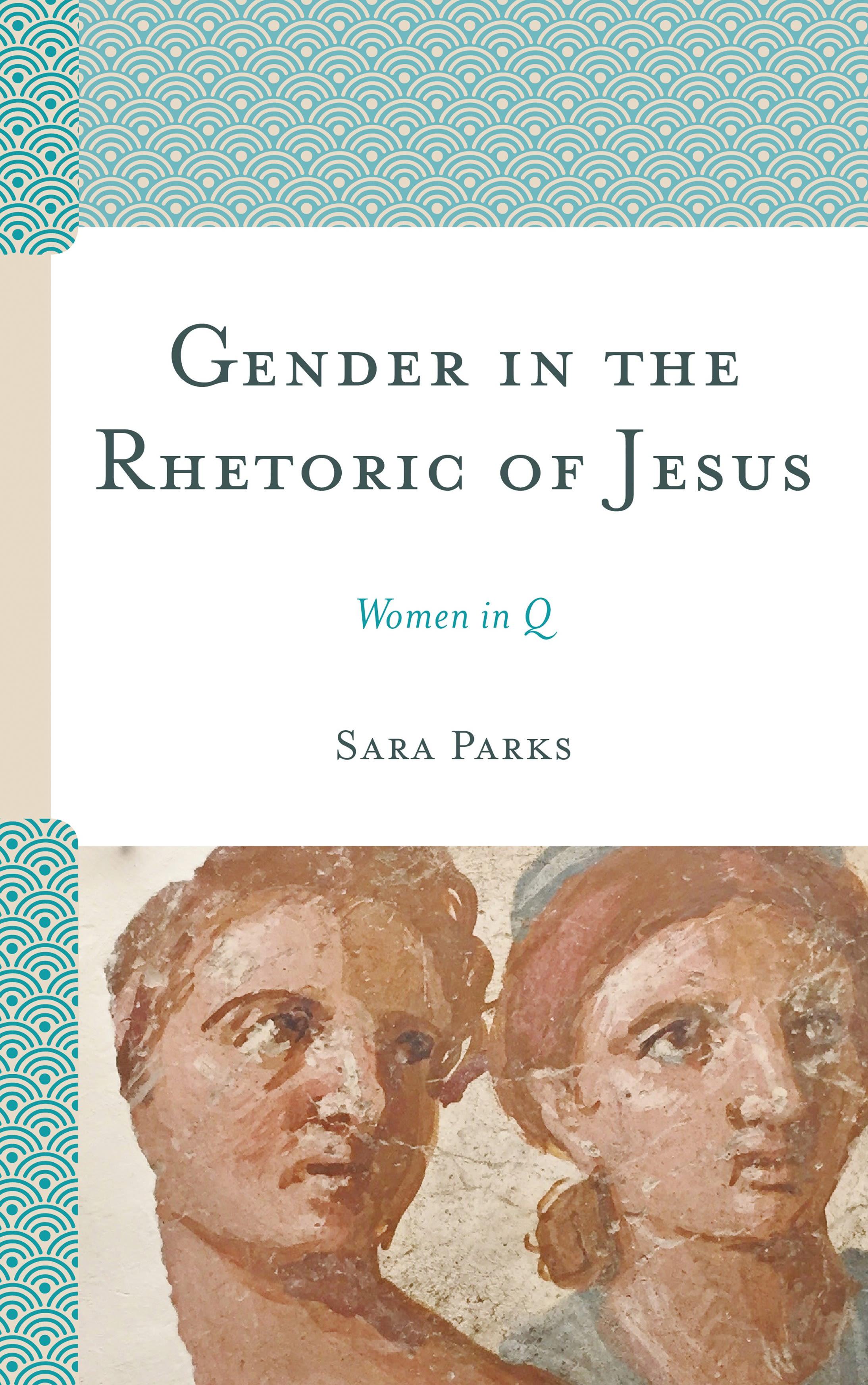
Examining the hypothetical earliest layer of Jesus’ sayings known as Q, Sara Parks argues that Jesus deliberately crafted parabolic teachings regarding the basileia of God to appeal to both male and female adherents. For a century after Q, vestiges of gender-paired teachings popped up in multiple independent texts related to Jesus, from Mark to Paul to the Synoptics and John—making it more likely that this inclusion of women originated with Jesus himself. In Gender and the Rhetoric of Jesus, Parks engages the divided scholarship on the meaning of gendered pairs for an evaluation of the gender politics of Q, arguing that even though Q’s peculiar rhetoric of gender equality was an innovation, it was also a product of its time, as evidenced in other contemporaneous texts which struggled with ambiguous equalities, from Philo to Musonius Rufus to Joseph and Aseneth. In addition, she shows that Jesus’ rhetoric of gender, as remembered in Q constitutes some of the earliest evidence for the study of first-century Jewish women, and women in Christian origins.
Payez facilement par carte, Klarna, Apple Pay ou Google Pay. Pas satisfait ? Vous avez toujours une garantie de remboursement de 14 jours. En savoir plus dans nos conditions. Si vous avez des questions, envoyez-nous un e-mail à hello@memmo.org.
Memmo facilite tes études, où que tu sois dans le monde. On rassemble tes manuels de cours et des outils d'étude intelligents au même endroit : résumés, quiz, podcasts et flashcards. Et il y a Ted, ton compagnon d'étude qui répond à toutes tes questions. Plus de 50 000 étudiants étudient déjà ici – conçu pour t'aider à apprendre plus vite et à moins stresser.