
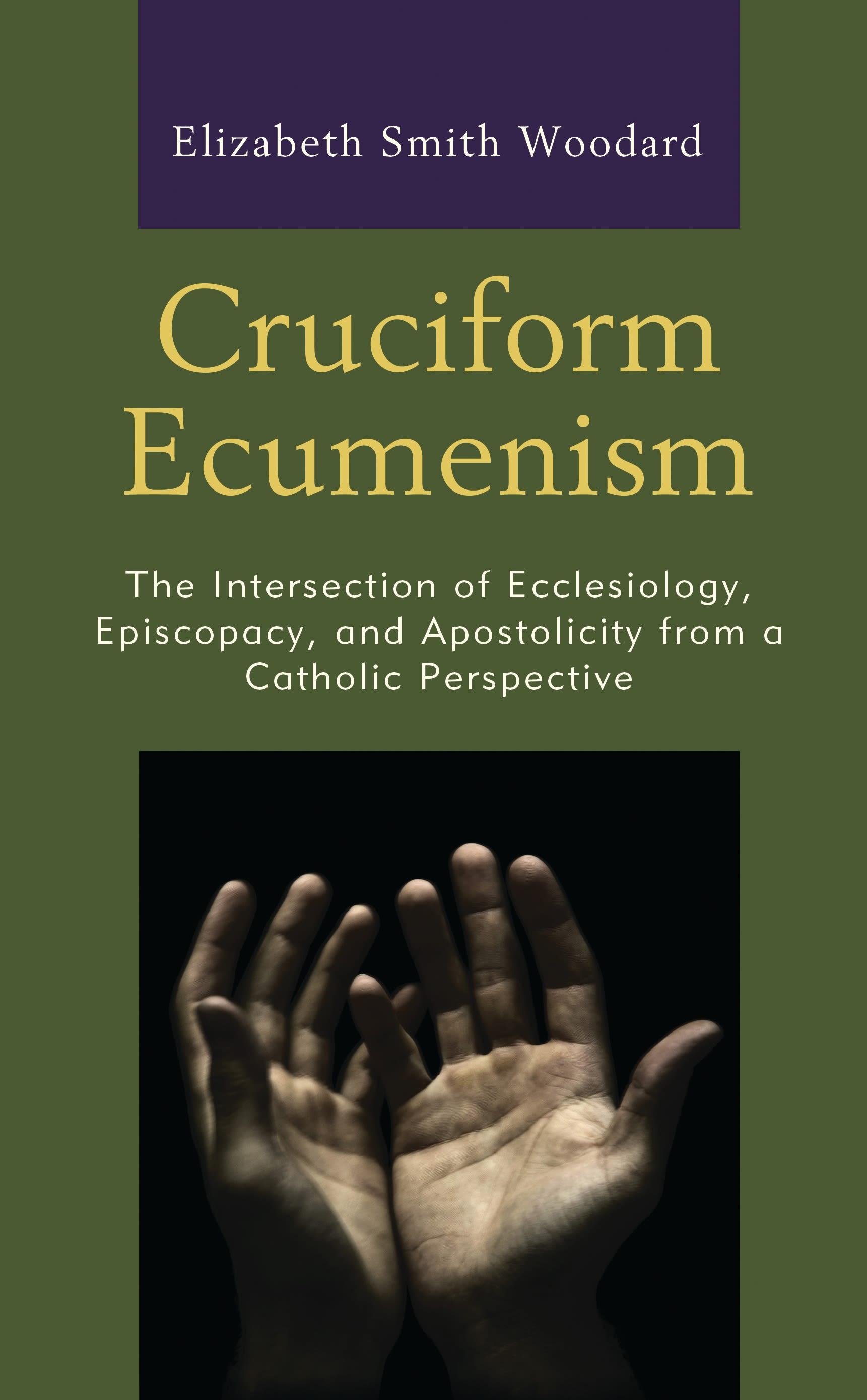
The truth claims of Christianity appear compromised by the division of Christ’s followers into different denominations. What keeps Christians separated, retreating to their corners labeled Catholic, Orthodox, and various types of Protestant? Elizabeth Smith Woodard accounts for Christian disunity in terms of ecclesiology, episcopacy, and apostolicity: in brief, Who are we? Who is in charge? And are we who we say we are? Woodard argues that the controversial issues dividing Christians today stem from these questions of authority and identity. What would it look like, Woodard asks, if Christians did not insist on making “others” more “like us,” but instead worked toward all of “us” becoming more and more like Christ? She answers that growing in such cruciformity should serve as the basis for unity. Using recent unity-achieving Anglican-Lutheran discussions as a case study, she examines the crucial intersection of ecclesiology, episcopacy, and apostolicity to argue that Christians’ growth in Christ’s mission necessarily entails growing in unity and cruciformity.
Payez facilement par carte, Klarna, Apple Pay ou Google Pay. Pas satisfait ? Vous avez toujours une garantie de remboursement de 14 jours. En savoir plus dans nos conditions. Si vous avez des questions, envoyez-nous un e-mail à hello@memmo.org.
Memmo facilite tes études, où que tu sois dans le monde. On rassemble tes manuels de cours et des outils d'étude intelligents au même endroit : résumés, quiz, podcasts et flashcards. Et il y a Ted, ton compagnon d'étude qui répond à toutes tes questions. Plus de 50 000 étudiants étudient déjà ici – conçu pour t'aider à apprendre plus vite et à moins stresser.