
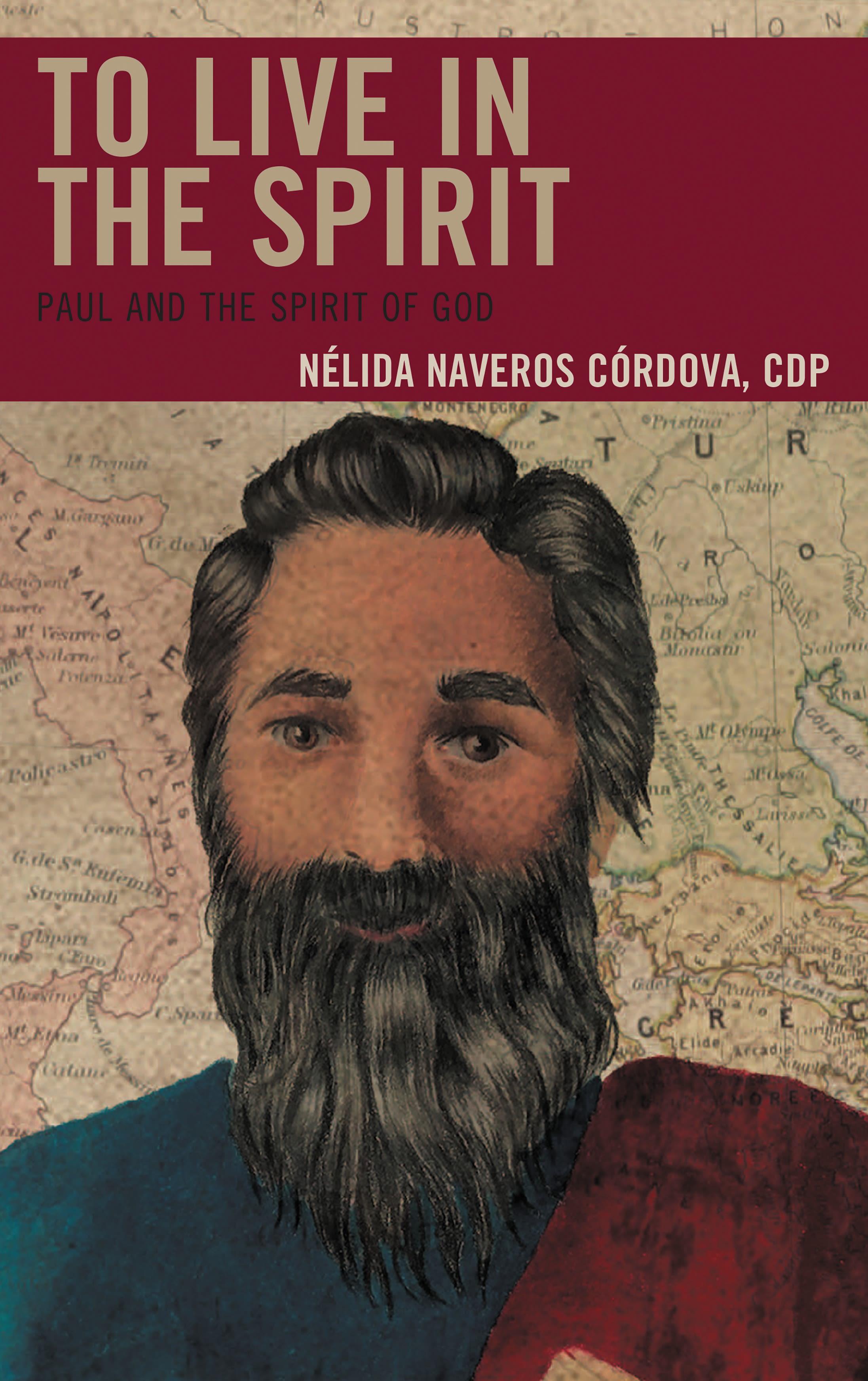
This book examines the apostle Paul's messages concerning p?e?µa's (spirit) primary function in the acquisition of virtues and avoidance of vices.
To Live in the Spirit: Paul and the Spirit of God brings to light a fresh understanding of the Greek concept p?e?µa (spirit) in Paul's ethical teaching. Placing Paul and his mixed audience within the Hellenistic Jewish and Greek (philosophical) traditions of the ancient world, this book examines his new message concerning p?e?µa's primary function in the acquisition of virtues and avoidance of vices. Looking in detail at the various ways in which Paul views p?e?µa in his seven undisputed letters, Naveros Córdova explores p?e?µa's development from Paul's initial ethical reflections in his early letters to a more mature view in his later letters. Naveros Córdova argues that it is within these traditions, represented by major Hellenistic Jewish and Greco-Roman writers, that Paul construes the framework of his ethical teaching. Paul finds in the power of God's p?e?µa a new ethical alternative for his mixed audience to living lives pleasing to God outside the observance of the Mosaic Law. Naveros Córdova demonstrates how Paul draws upon Platonic (immaterial p?e?µa) and Stoic (material p?e?µa) language that would have been familiar to his hearers in the early Christian communities to create a persuasive understanding of ethical performance and to show that the moral life of the believers springs from that p?e?µa received from God. In his efforts to highlight p?e?µa's central role in his ethics, Paul moves beyond both traditions by describing the “Christification” of p?e?µa not only in Stoic terms, but also in Middle Platonic categories of the first century CE.
To Live in the Spirit: Paul and the Spirit of God brings to light a fresh understanding of the Greek concept p?e?µa (spirit) in Paul's ethical teaching. Placing Paul and his mixed audience within the Hellenistic Jewish and Greek (philosophical) traditions of the ancient world, this book examines his new message concerning p?e?µa's primary function in the acquisition of virtues and avoidance of vices. Looking in detail at the various ways in which Paul views p?e?µa in his seven undisputed letters, Naveros Córdova explores p?e?µa's development from Paul's initial ethical reflections in his early letters to a more mature view in his later letters. Naveros Córdova argues that it is within these traditions, represented by major Hellenistic Jewish and Greco-Roman writers, that Paul construes the framework of his ethical teaching. Paul finds in the power of God's p?e?µa a new ethical alternative for his mixed audience to living lives pleasing to God outside the observance of the Mosaic Law. Naveros Córdova demonstrates how Paul draws upon Platonic (immaterial p?e?µa) and Stoic (material p?e?µa) language that would have been familiar to his hearers in the early Christian communities to create a persuasive understanding of ethical performance and to show that the moral life of the believers springs from that p?e?µa received from God. In his efforts to highlight p?e?µa's central role in his ethics, Paul moves beyond both traditions by describing the “Christification” of p?e?µa not only in Stoic terms, but also in Middle Platonic categories of the first century CE.
Payez facilement par carte, Klarna, Apple Pay ou Google Pay. Pas satisfait ? Vous avez toujours une garantie de remboursement de 14 jours. En savoir plus dans nos conditions. Si vous avez des questions, envoyez-nous un e-mail à hello@memmo.org.
Memmo facilite tes études, où que tu sois dans le monde. On rassemble tes manuels de cours et des outils d'étude intelligents au même endroit : résumés, quiz, podcasts et flashcards. Et il y a Ted, ton compagnon d'étude qui répond à toutes tes questions. Plus de 50 000 étudiants étudient déjà ici – conçu pour t'aider à apprendre plus vite et à moins stresser.