
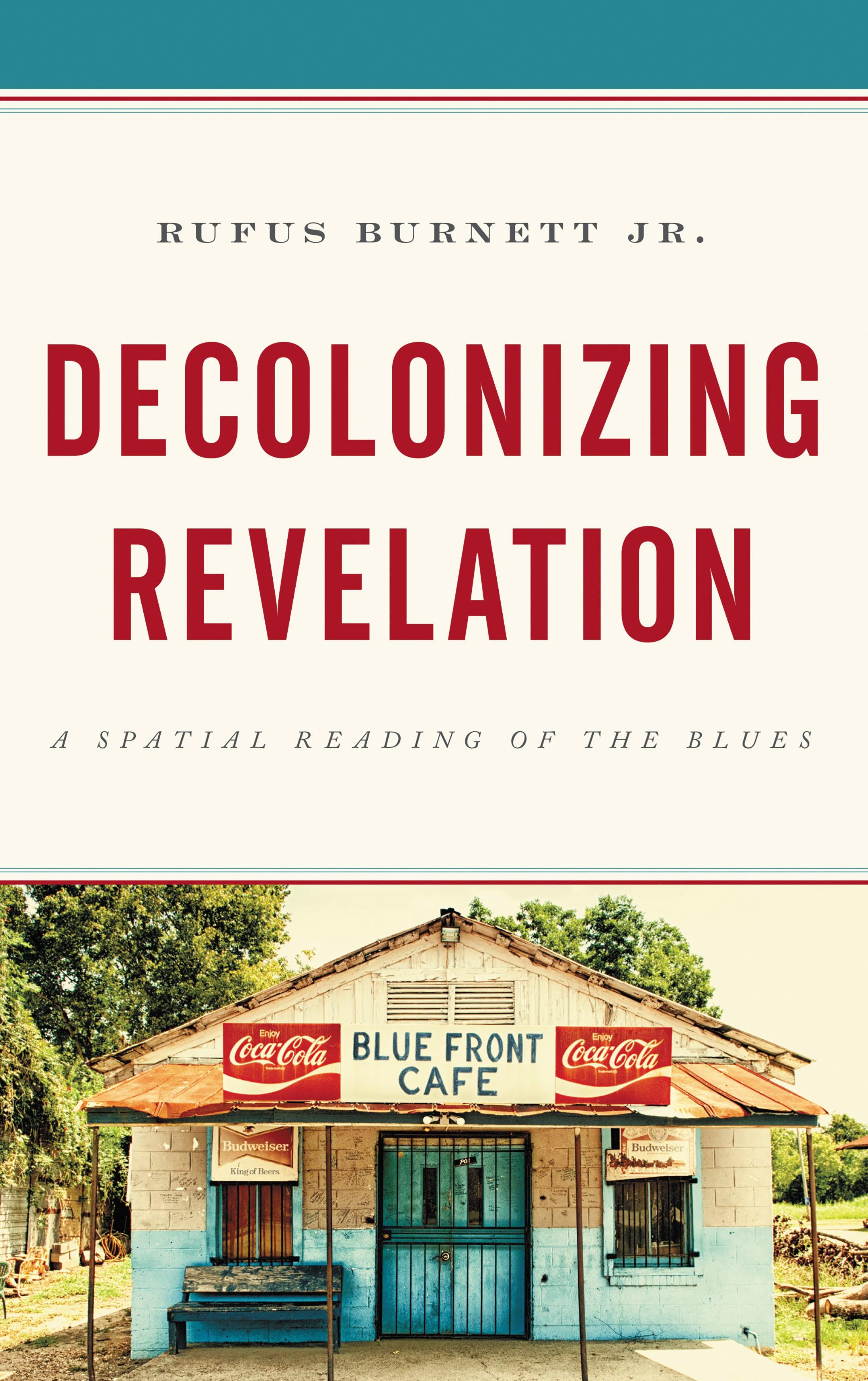
At a time when ideas like “post-racial society” and “#BlackLivesMatter” occupy the same space, scholars of black American faith are provided a unique opportunity to regenerate and imagine theological frameworks that confront the epistemic effects of racialization and its confluence with the theological imagination. Decolonizing Revelation contributes to this task by rethinking or “taking a second look” at the cultural production of the blues. Unlike other examinations of the blues that privilege the hermeneutic of race, this work situates the blues spatially, offering a transracial interpretation that looks to establish an option for disentangling racial ideology from the theological imagination. This book dislocates race in particular, and modernity in general, as the primary means by which God’s self-disclosure is read across human history. Rather than looking to the experience of antiblack racism as revelational, the work looks to a people group, blues people, and their spatial, sonic, and sensual activities. Following the basic theological premise that God is a God of life, Burnett looks to the spaces where blues life occurs to construct a decolonial option for a theology of revelation.
Payez facilement par carte, Klarna, Apple Pay ou Google Pay. Pas satisfait ? Vous avez toujours une garantie de remboursement de 14 jours. En savoir plus dans nos conditions. Si vous avez des questions, envoyez-nous un e-mail à hello@memmo.org.
Memmo facilite tes études, où que tu sois dans le monde. On rassemble tes manuels de cours et des outils d'étude intelligents au même endroit : résumés, quiz, podcasts et flashcards. Et il y a Ted, ton compagnon d'étude qui répond à toutes tes questions. Plus de 50 000 étudiants étudient déjà ici – conçu pour t'aider à apprendre plus vite et à moins stresser.