
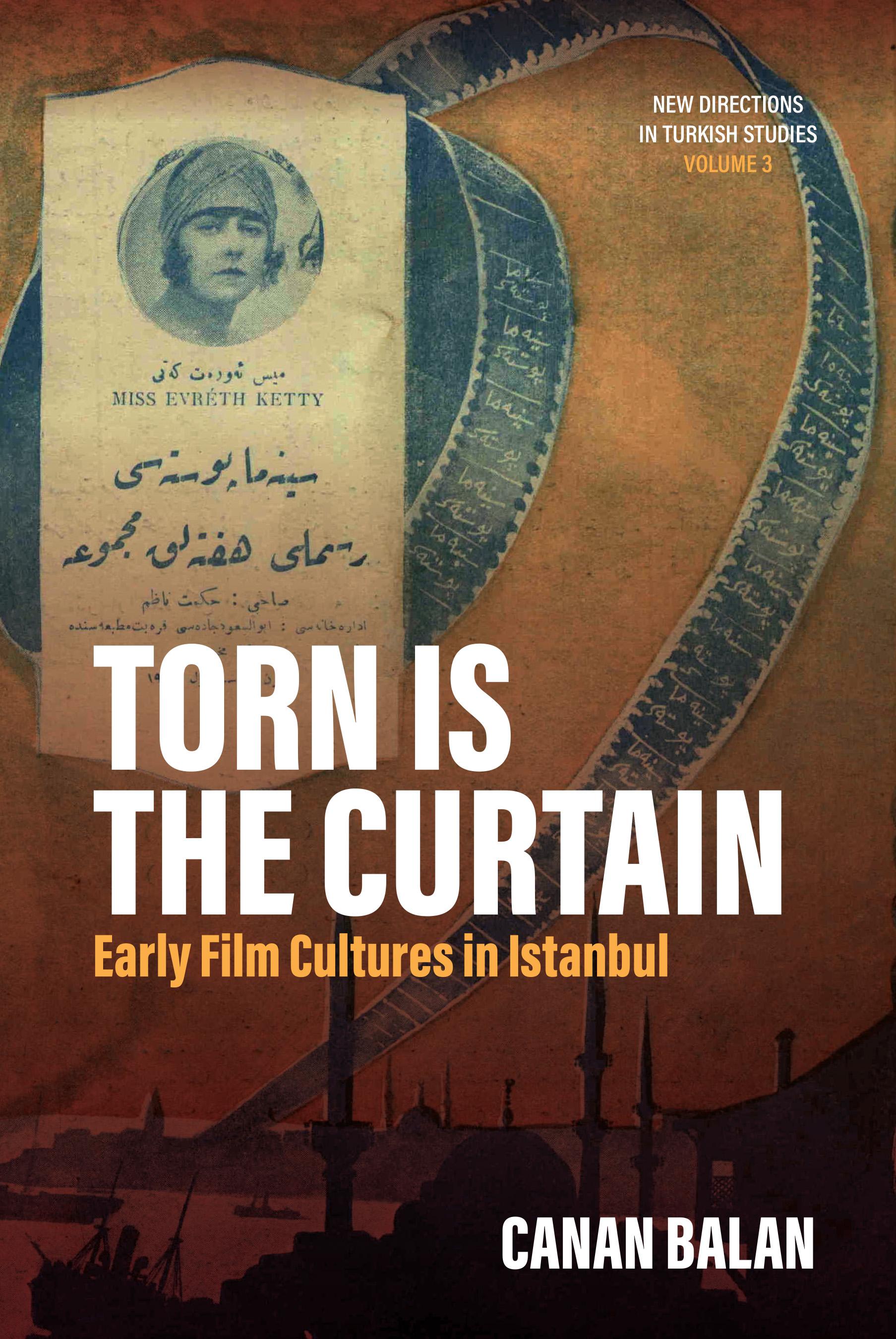
Offering a feminist history of cinema at the edges of empire and the nation-state, this book explores how gender, class, and ethno-religious divisions were projected, performed, and entangled. It Focuses on the former Ottoman capital from the late nineteenth century to the early 1930s and investigates how cinema both reflected and shaped Istanbul’s complex social fabric. Drawing on a wide range of primary sources—including newspapers, trade records, consular reports, memoirs, novels, Islamic teachings, poems, shadow-play texts, and surviving silent films—it situates early cinematic experiences within the intersecting contexts of societal change, gender politics, and competing worldviews. The analysis reveals how religious and cultural practices, particularly the Alevi-Bektashi faith and the women’s movement, informed emerging notions of cinematic modernity and cross-cultural exchange in the region.
Payez facilement par carte, Klarna, Apple Pay ou Google Pay. Pas satisfait ? Vous avez toujours une garantie de remboursement de 14 jours. En savoir plus dans nos conditions. Si vous avez des questions, envoyez-nous un e-mail à hello@memmo.org.
Memmo facilite tes études, où que tu sois dans le monde. On rassemble tes manuels de cours et des outils d'étude intelligents au même endroit : résumés, quiz, podcasts et flashcards. Et il y a Ted, ton compagnon d'étude qui répond à toutes tes questions. Plus de 50 000 étudiants étudient déjà ici – conçu pour t'aider à apprendre plus vite et à moins stresser.