
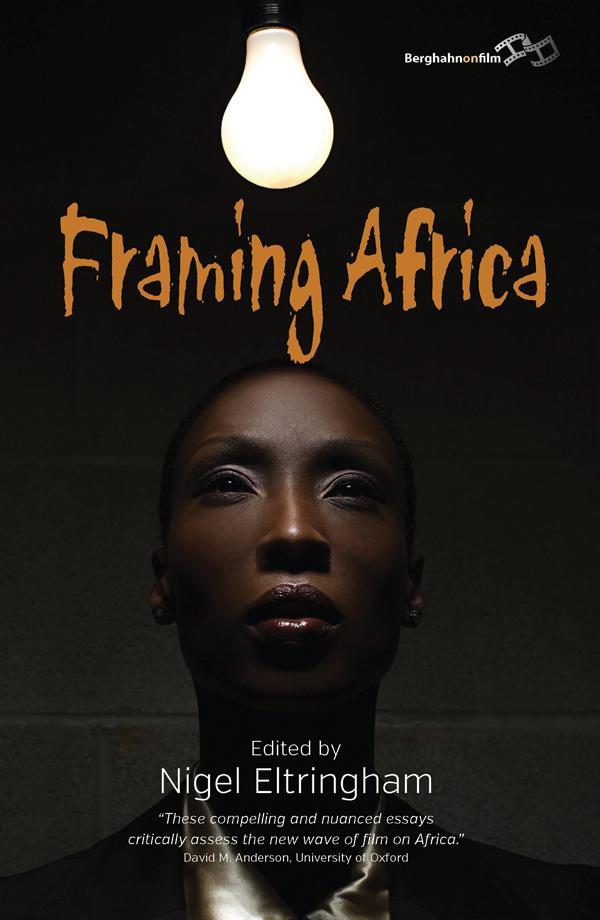
The first decade of the 21st century has seen a proliferation of North American and European films that focus on African politics and society. While once the continent was the setting for narratives of heroic ascendancy over self (The African Queen, 1951; The Snows of Kilimanjaro, 1952), military odds (Zulu, 1964; Khartoum, 1966) and nature (Mogambo, 1953; Hatari!,1962; Born Free, 1966; The Last Safari, 1967), this new wave of films portrays a continent blighted by transnational corruption (The Constant Gardener, 2005), genocide (Hotel Rwanda, 2004; Shooting Dogs, 2006), ‘failed states’ (Black Hawk Down, 2001), illicit transnational commerce (Blood Diamond, 2006) and the unfulfilled promises of decolonization (The Last King of Scotland, 2006). Conversely, where once Apartheid South Africa was a brutal foil for the romance of East Africa (Cry Freedom, 1987; A Dry White Season, 1989), South Africa now serves as a redeemed contrast to the rest of the continent (Red Dust, 2004; Invictus, 2009). Writing from the perspective of long-term engagement with the contexts in which the films are set, anthropologists and historians reflect on these films and assess the contemporary place Africa holds in the North American and European cinematic imagination.
Payez facilement par carte, Klarna, Apple Pay ou Google Pay. Pas satisfait ? Vous avez toujours une garantie de remboursement de 14 jours. En savoir plus dans nos conditions. Si vous avez des questions, envoyez-nous un e-mail à hello@memmo.org.
Memmo facilite tes études, où que tu sois dans le monde. On rassemble tes manuels de cours et des outils d'étude intelligents au même endroit : résumés, quiz, podcasts et flashcards. Et il y a Ted, ton compagnon d'étude qui répond à toutes tes questions. Plus de 50 000 étudiants étudient déjà ici – conçu pour t'aider à apprendre plus vite et à moins stresser.