
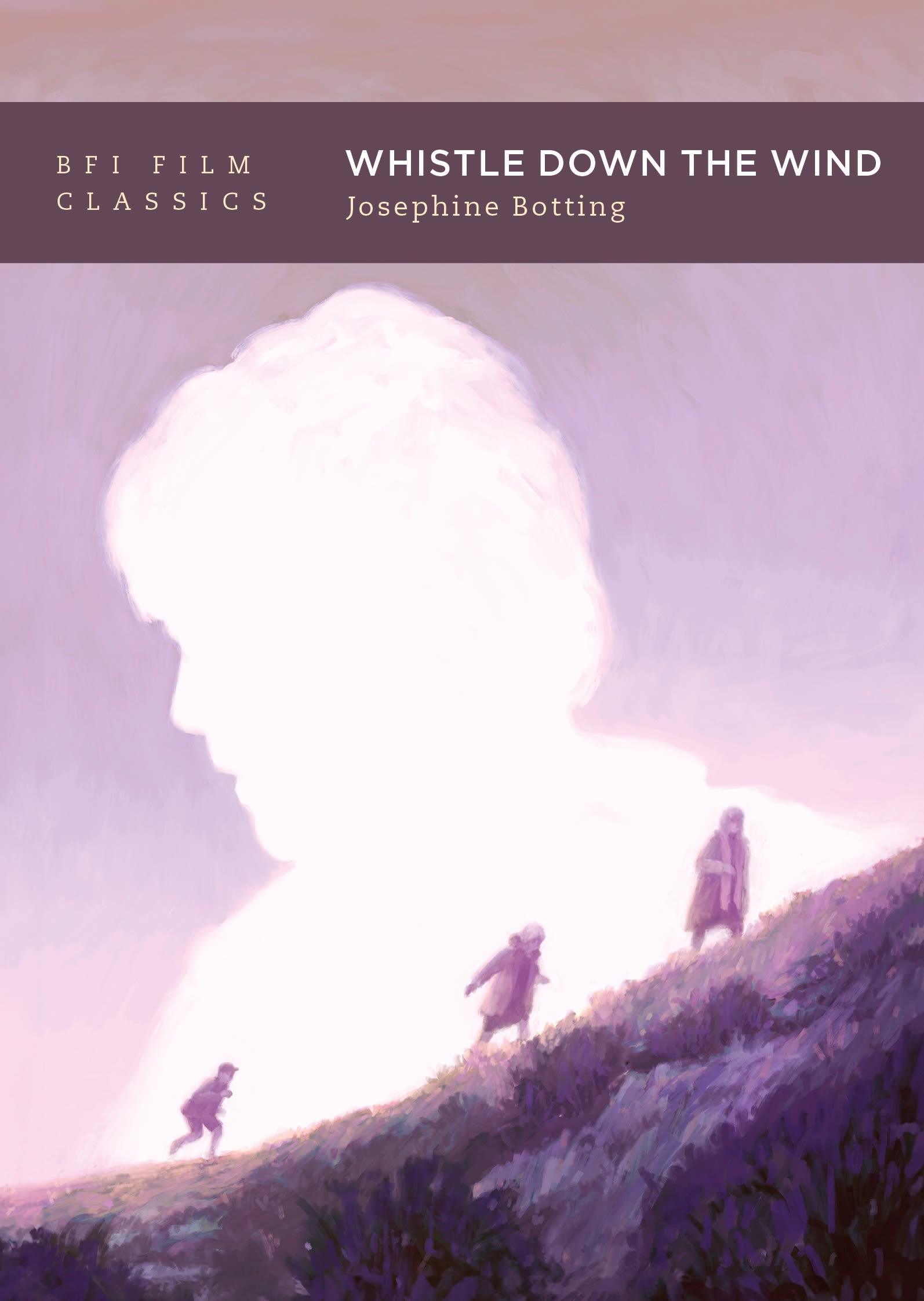
Based on Mary Hayley Bell's 1958 novella, Bryan Forbes's Whistle Down the Wind (1961) is a moving and compelling story of three siblings who find a stranger hiding in their family barn. Mistaking him for Jesus, they keep his presence a secret from the adults around them. Josephine Botting's study places this remarkable film within the landscape of the British industry in the early 1960s and examines the ways Bell's source material is adapted for the screen.
Botting assesses the creative contribution of Forbes to this critically acclaimed and much-loved British film. Shot almost entirely on location, its black and white camerawork uses the bleak Lancashire landscape as a haunting backdrop to its tale of innocence and faith. The use of both professional and amateur actors, furnished with humorous dialogue by writers Keith Waterhouse and Willis Hall, brings a unique authenticity to the depiction of rural life in Northern England.
Botting explores how the screenplay, cinematography, editing, musical score by Malcolm Arnold and use of sound contribute to the creation of an emotionally powerful narrative, yet one which avoids the sentimentality or 'cuteness' that child-centred films can suffer from. Botting traces the film's critical reception and addresses its neglect in recent literature, along with its relationship to works such as Kes (1969), The Railway Children (1970) and El Espíritu de la Colmena (Víctor Eríce, 1973), which similarly present the adult world through the eyes of children.
Botting assesses the creative contribution of Forbes to this critically acclaimed and much-loved British film. Shot almost entirely on location, its black and white camerawork uses the bleak Lancashire landscape as a haunting backdrop to its tale of innocence and faith. The use of both professional and amateur actors, furnished with humorous dialogue by writers Keith Waterhouse and Willis Hall, brings a unique authenticity to the depiction of rural life in Northern England.
Botting explores how the screenplay, cinematography, editing, musical score by Malcolm Arnold and use of sound contribute to the creation of an emotionally powerful narrative, yet one which avoids the sentimentality or 'cuteness' that child-centred films can suffer from. Botting traces the film's critical reception and addresses its neglect in recent literature, along with its relationship to works such as Kes (1969), The Railway Children (1970) and El Espíritu de la Colmena (Víctor Eríce, 1973), which similarly present the adult world through the eyes of children.
Pages: 104
Catégorie: Film- & Medievetenskap
e-ISBN: 9781805750598
Poids d'expédition: 1.2 kg
Expédié sous: 1-2 jours
Payez facilement par carte, Klarna, Apple Pay ou Google Pay. Pas satisfait ? Vous avez toujours une garantie de remboursement de 14 jours. En savoir plus dans nos conditions. Si vous avez des questions, envoyez-nous un e-mail à hello@memmo.org.
Memmo facilite tes études, où que tu sois dans le monde. On rassemble tes manuels de cours et des outils d'étude intelligents au même endroit : résumés, quiz, podcasts et flashcards. Et il y a Ted, ton compagnon d'étude qui répond à toutes tes questions. Plus de 50 000 étudiants étudient déjà ici – conçu pour t'aider à apprendre plus vite et à moins stresser.