
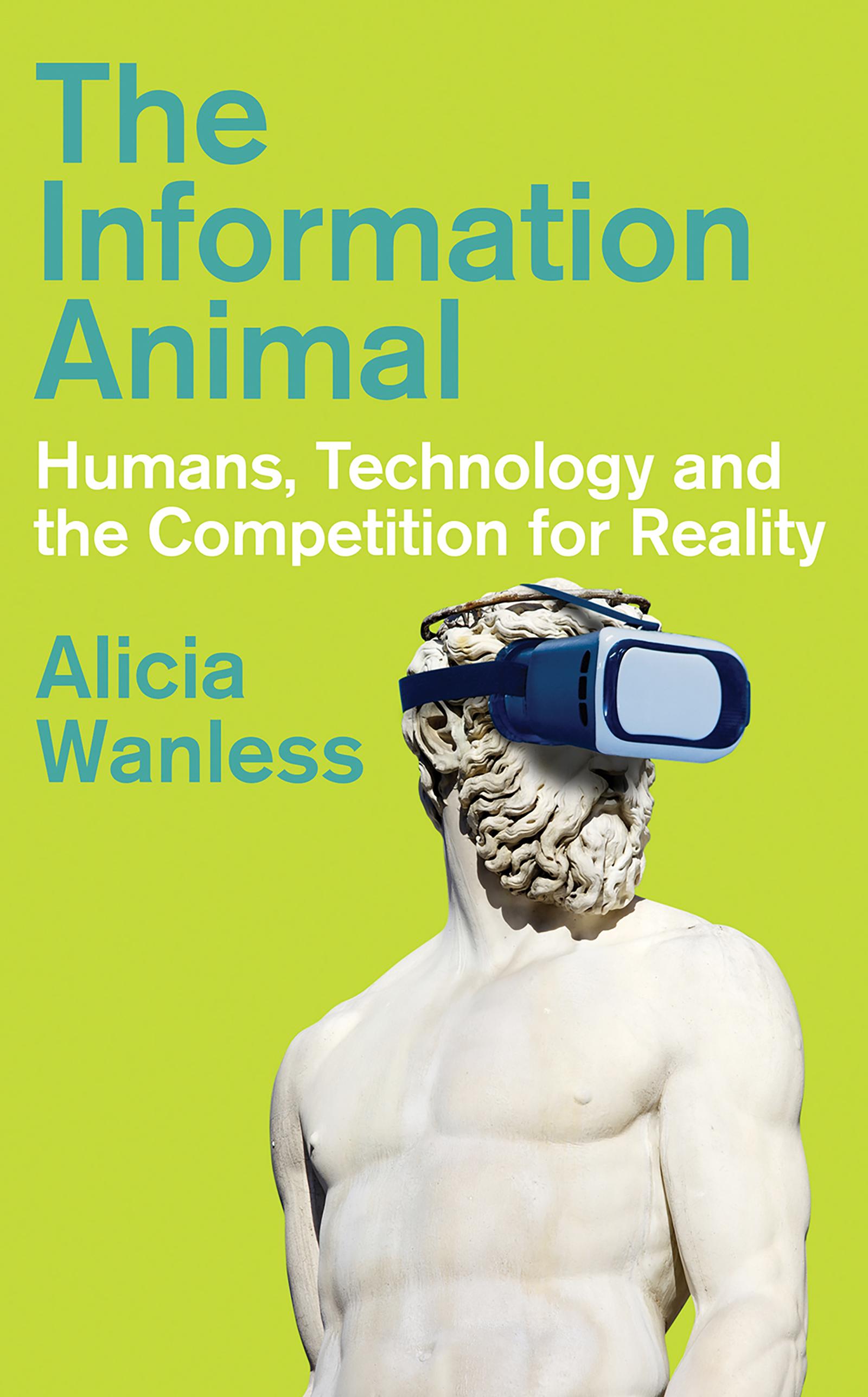
Depending on the news you read, new tools like AI will either save or destroy us. But our response to emerging technology’s ‘unprecedented’ threats actually follows a pattern as old as civilisation. From ancient Athens to COVID-19, social media to spam, Alicia Wanless shows how humans have always consumed information, whether accurate or not.
First a new technology changes how information is shared, broadening its availability and accelerating how fast it travels. Then, as more people engage with this new content, fresh ideas arise, often challenging prevailing beliefs. Some use the new tools to promote their views, win power or simply profit, adding to the mounting information pollution. Competition and conflict follow. We scramble—in vain—to control information flows and use of the new technology.
With democracies worldwide lurching from crisis to crisis, knee-jerk reactions to information conflict won’t suffice. What’s needed is an understanding of our nature as ‘information animals’, in a millennia-long relationship with technology—and of how a content-saturated world impacts the political battle for hearts and minds.
Payez facilement par carte, Klarna, Apple Pay ou Google Pay. Pas satisfait ? Vous avez toujours une garantie de remboursement de 14 jours. En savoir plus dans nos conditions. Si vous avez des questions, envoyez-nous un e-mail à hello@memmo.org.
Memmo facilite tes études, où que tu sois dans le monde. On rassemble tes manuels de cours et des outils d'étude intelligents au même endroit : résumés, quiz, podcasts et flashcards. Et il y a Ted, ton compagnon d'étude qui répond à toutes tes questions. Plus de 50 000 étudiants étudient déjà ici – conçu pour t'aider à apprendre plus vite et à moins stresser.