
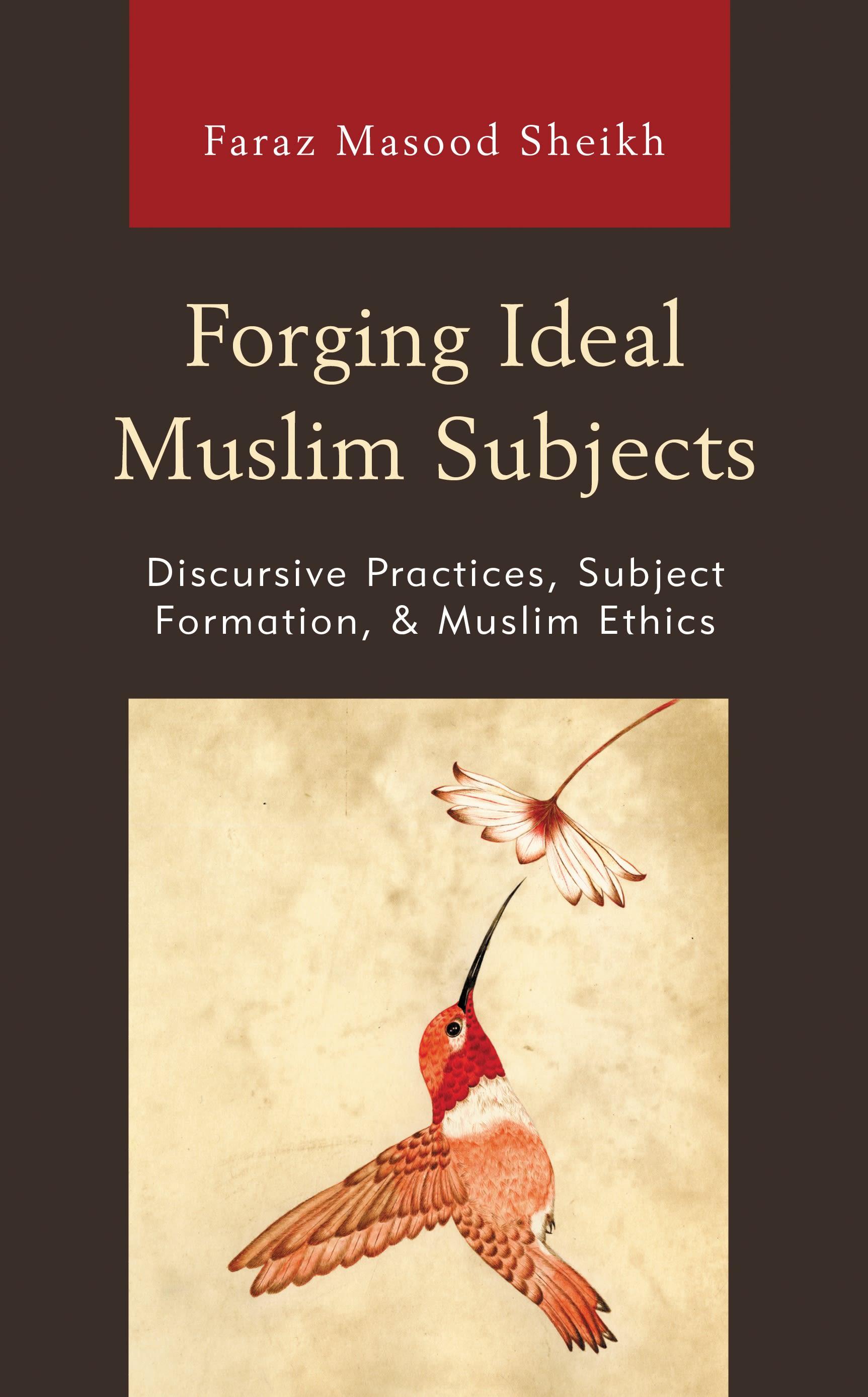
What forms can a religiously informed, ethical Muslim life take? This book presents two important accounts of ideal Muslim subjectivity, one by 9th century moral pedagogue, al-Harith al-Muhasibi (d. 857) and the other by 20th century Kurdish Quran scholar, Said Nursi (d. 1960). It reconstructs Muhasibi’s and Nursi’s accounts of ideal Muslim consciousness and analyzes the discursive practices implicated in its formation and expression. The book discusses the range of psychic states and ethical relations that Muhasibi and Nursi consider critical for living an authentically Muslim life. It highlights the importance of discursive practices in Muslim religious and moral self-production. The author draws on Foucault's insights about ethics and practices of self-care to examine familiar Muslim discourses in ways that enrich contemporary conversations about identity, individuality, community, authority, moral agency and virtue in the fields of religious studies, Islamic studies and Muslim ethics. The book deepens our understanding of the fluidity and fragility of both the more familiar, obligation-centered ethics in Islamic thought and the less familiar, belief-centered modes of religio-moral being.
Pages: 198
Catégorie: Religion & Teologi
e-ISBN: 9781793620132
Poids d'expédition: 1.2 kg
Expédié sous: 1-2 jours
Payez facilement par carte, Klarna, Apple Pay ou Google Pay. Pas satisfait ? Vous avez toujours une garantie de remboursement de 14 jours. En savoir plus dans nos conditions. Si vous avez des questions, envoyez-nous un e-mail à hello@memmo.org.
Memmo facilite tes études, où que tu sois dans le monde. On rassemble tes manuels de cours et des outils d'étude intelligents au même endroit : résumés, quiz, podcasts et flashcards. Et il y a Ted, ton compagnon d'étude qui répond à toutes tes questions. Plus de 50 000 étudiants étudient déjà ici – conçu pour t'aider à apprendre plus vite et à moins stresser.