
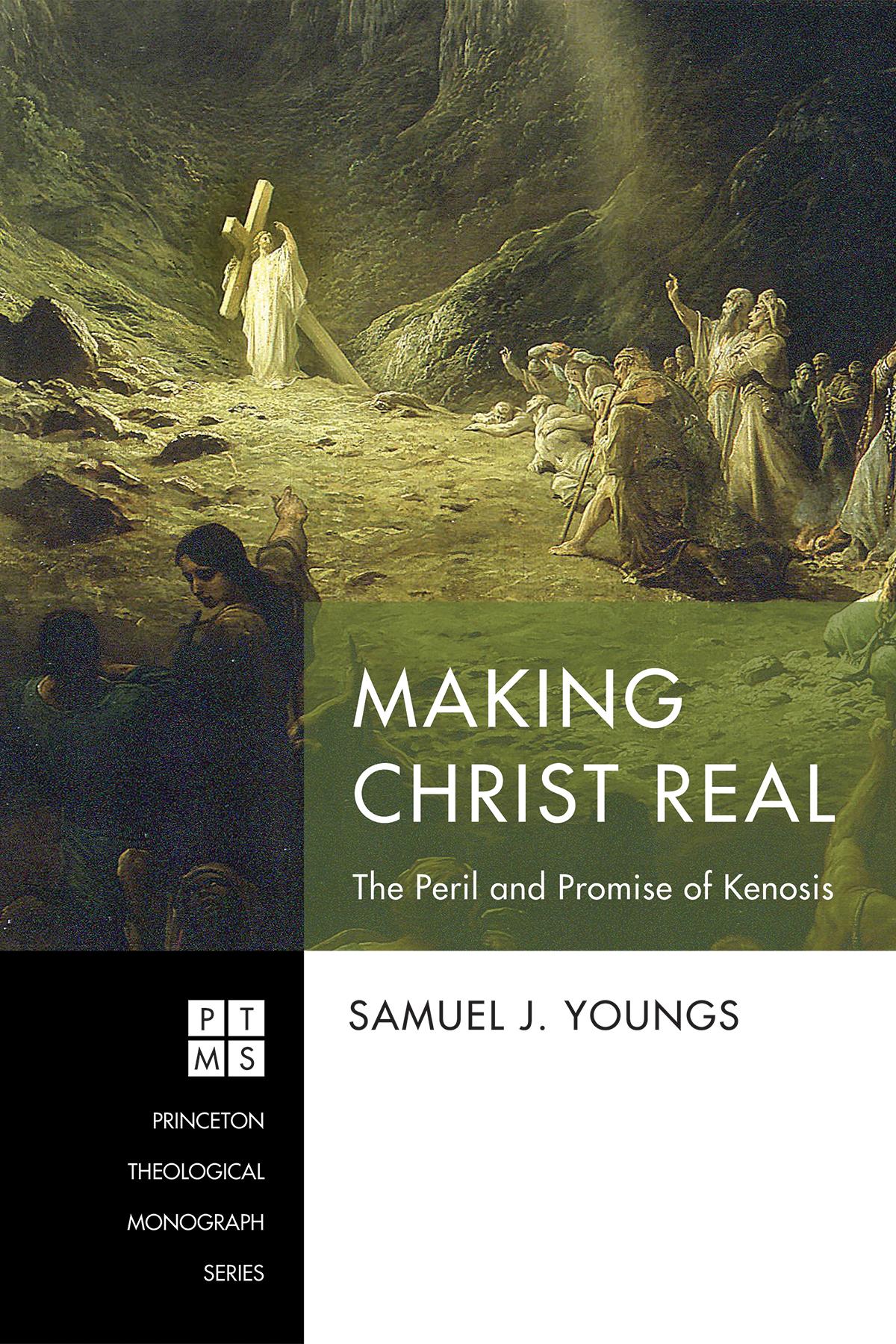
Kenosis, or self-emptying, poses a fundamental question to any theological discussion about Jesus Christ: "In becoming human, did God empty himself of any divine qualities?" Many variations on kenotic Christology have emerged over the past 200 years, most of them claiming to both preserve and highlight the true humanity and ecclesial significance of Jesus Christ.
While there is much to commend in these efforts, Samuel Youngs contends that nearly all such kenotic attempts have, against their best intentions, fallen into an echo chamber of abstraction and metaphor, rendering their talk about Jesus Christ and analysis of the Gospels fundamentally "unreal" and lacking in material significance for today's living church. Most fundamentally, many kenotic accounts pay inadequate attention to Christ's lived accomplishment, his current presence, and the modes of praxis that he makes real in the world.
In dialogue with the important movement known as Transformation Theology, Youngs unfolds a detailed critique of method and discourse in kenotic christologies. Turning then to the vibrant christological thought of Jurgen Moltmann, a different outlook on kenosis is articulated and defended, one that is relational, concrete, and praxiological.
Payez facilement par carte, Klarna, Apple Pay ou Google Pay. Pas satisfait ? Vous avez toujours une garantie de remboursement de 14 jours. En savoir plus dans nos conditions. Si vous avez des questions, envoyez-nous un e-mail à hello@memmo.org.
Memmo facilite tes études, où que tu sois dans le monde. On rassemble tes manuels de cours et des outils d'étude intelligents au même endroit : résumés, quiz, podcasts et flashcards. Et il y a Ted, ton compagnon d'étude qui répond à toutes tes questions. Plus de 50 000 étudiants étudient déjà ici – conçu pour t'aider à apprendre plus vite et à moins stresser.
Tu pourrais aussi aimer
Acheter le livre0