
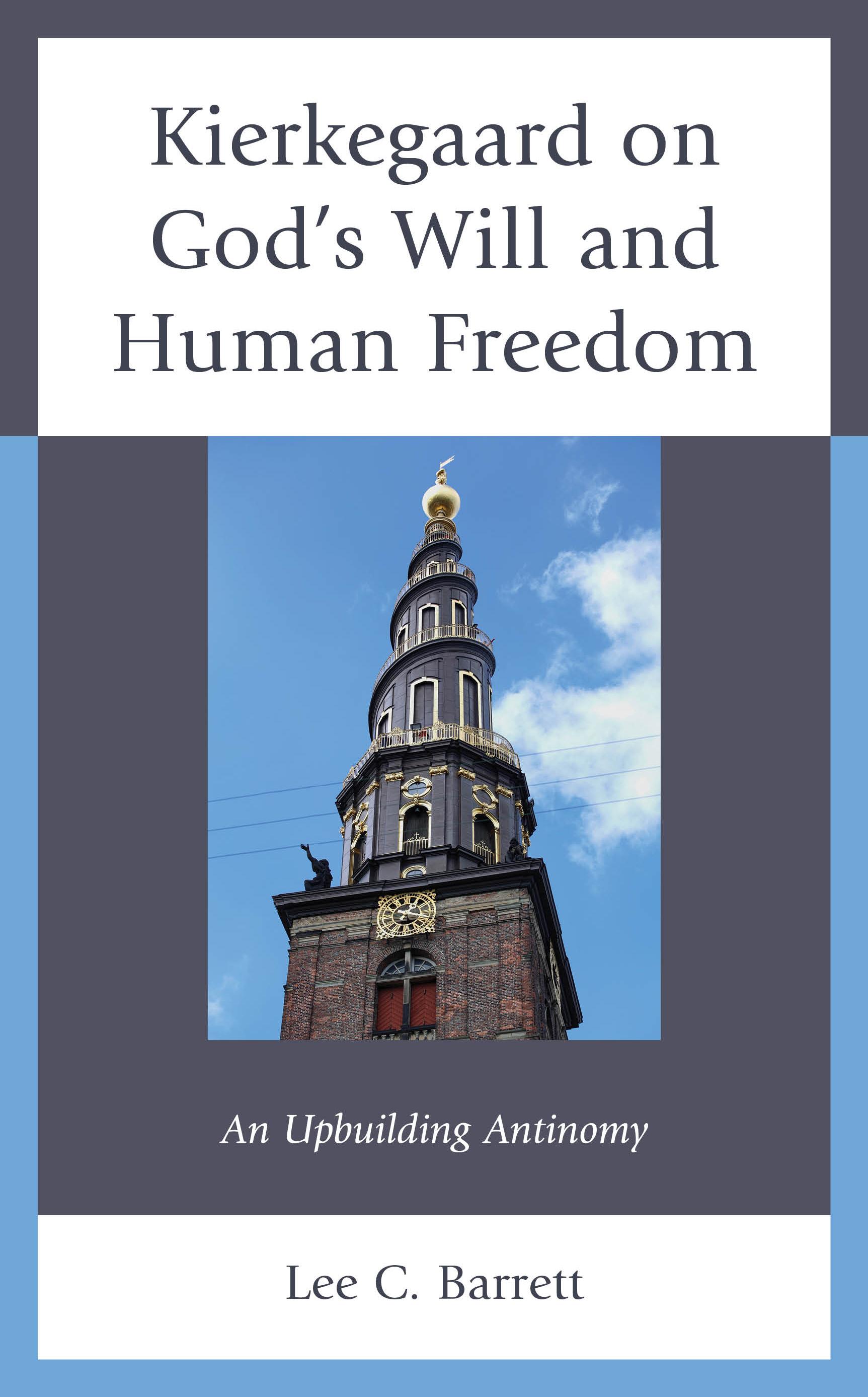
Søren Kierkegaard's authorship exhibits two different trajectories concerning the relation of responsible human agency to sovereign divine agency: one trajectory stresses free human striving, while the other trajectory emphasizes the dominance of divine agency. The first theme led to the view of Kierkegaard as the champion of autonomous existential “leaps,” while the second led to the construal of Kierkegaard as a devout Lutheran who trusted absolutely in God's gracious governance. Lee C. Barrett argues that Kierkegaard, influenced by Kant's critique of metaphysics, did not attempt to integrate human and divine agencies in any speculative theory. Instead, Kierkegaard deploys them to encourage different passions and dispositions that can be integrated in a coherent human life, making use of literary strategies to foster the different passions and dispositions that are associated with the themes of human responsibility and divine governance. Kierkegaard on God's Will and Human Freedom: An Upbuilding Antinomy offers an incisive account of what makes Kierkegaard's conception of theology as a matter of edification rather than speculation so distinctive and enduringly worthwhile.
Pages: 224
Catégorie: Religion & Teologi
e-ISBN: 9781666914931
Poids d'expédition: 1.2 kg
Expédié sous: 1-2 jours
Payez facilement par carte, Klarna, Apple Pay ou Google Pay. Pas satisfait ? Vous avez toujours une garantie de remboursement de 14 jours. En savoir plus dans nos conditions. Si vous avez des questions, envoyez-nous un e-mail à hello@memmo.org.
Memmo facilite tes études, où que tu sois dans le monde. On rassemble tes manuels de cours et des outils d'étude intelligents au même endroit : résumés, quiz, podcasts et flashcards. Et il y a Ted, ton compagnon d'étude qui répond à toutes tes questions. Plus de 50 000 étudiants étudient déjà ici – conçu pour t'aider à apprendre plus vite et à moins stresser.