
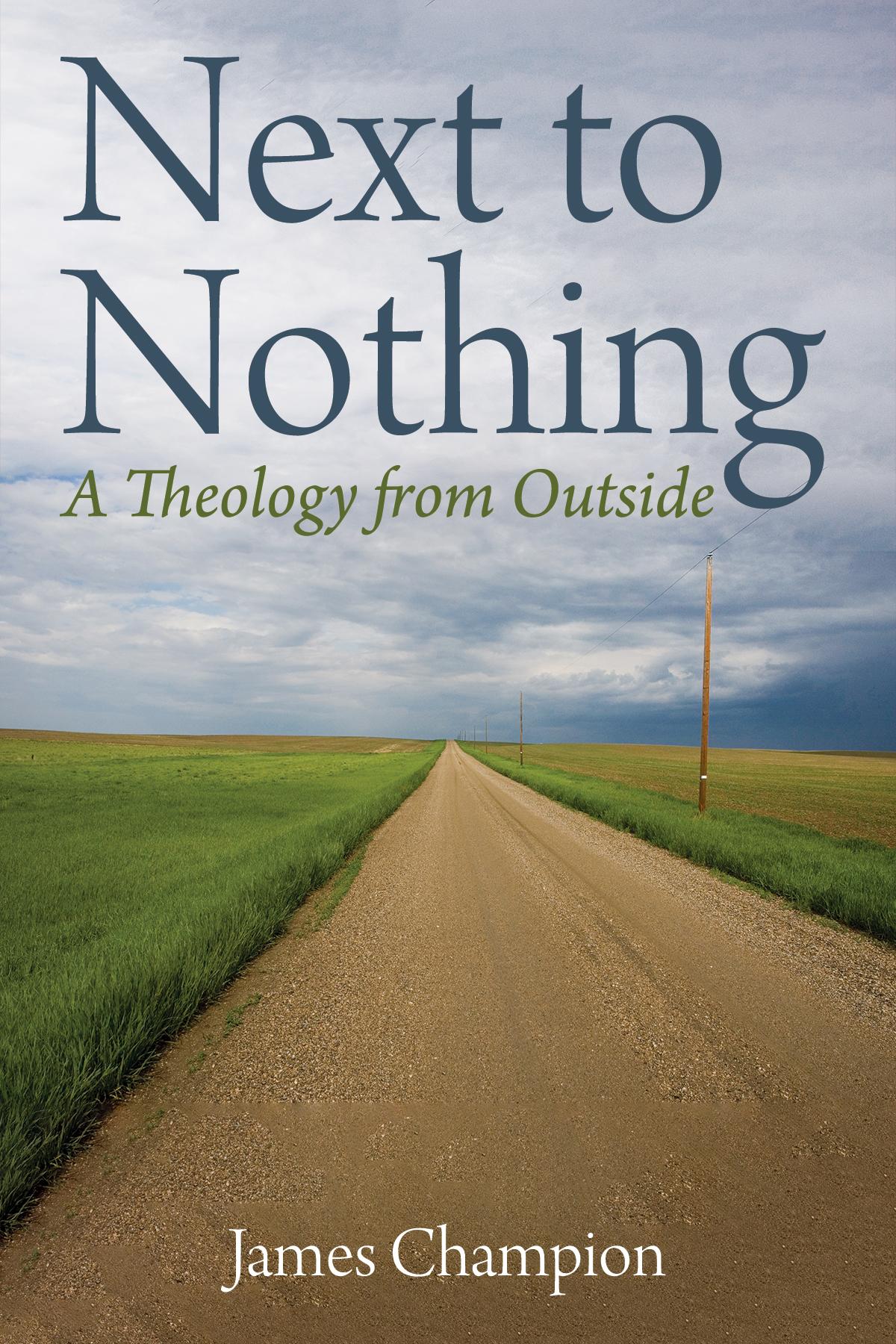
A lesser-known tradition in theology--the apophatic--has resurfaced in our time. Simply stated, this tradition has long recognized that discussion of what God is not is central to theological discernment. The apophatic emphasis on giving the negative its due has been rediscovered and enlarged today in several ways. Above all, this theological orientation warrants our radical questioning and honors the importance of doubt. It also leads us to greater awareness of our hidden fears of loss and of the costs of our unconscious flight from death. At the same time, it can open the door to new perceptions of what lay persons--as well as theologians such as Eckhart and Tillich--have understood as our deepest relationship to the God beyond God. This development is significant for those in progressive faith communities, for those who call themselves "spiritual but not religious," and those who assume that religion and spirituality have no place in their lives.
Payez facilement par carte, Klarna, Apple Pay ou Google Pay. Pas satisfait ? Vous avez toujours une garantie de remboursement de 14 jours. En savoir plus dans nos conditions. Si vous avez des questions, envoyez-nous un e-mail à hello@memmo.org.
Memmo facilite tes études, où que tu sois dans le monde. On rassemble tes manuels de cours et des outils d'étude intelligents au même endroit : résumés, quiz, podcasts et flashcards. Et il y a Ted, ton compagnon d'étude qui répond à toutes tes questions. Plus de 50 000 étudiants étudient déjà ici – conçu pour t'aider à apprendre plus vite et à moins stresser.
Tu pourrais aussi aimer
Acheter le livre0