
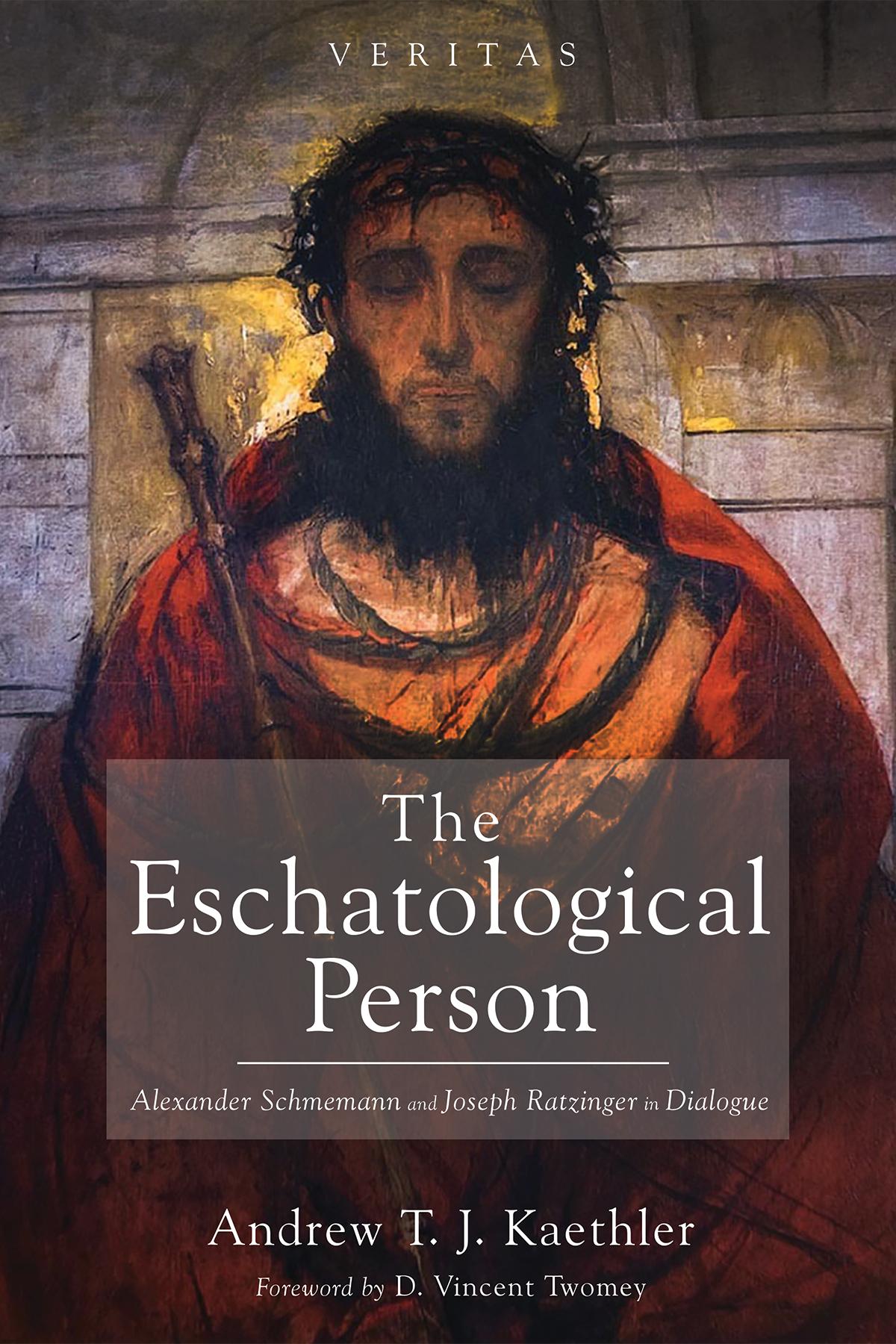
Both Alexander Schmemann and Joseph Ratzinger insist that the human person remains shrouded in mystery without God's self-disclosure in the person of Jesus Christ. Like us, Jesus lived in a particular time and location, and therefore time and temporality must be part of the ontological question of what it means to be a human person. Yet, Jesus, the one who has time for us, ascended to the Father, and the bride of Christ awaits his return, and therefore time and temporality are conditioned by the eschatological. With this in mind, the ontological question of personhood and temporality is a question that concerns eschatology: how does eschatology shape personhood? Bringing together Schmemann and Ratzinger in a theological dialogue for the first time, this book explores their respective approaches and answers to the aforementioned question. While the two theologians share much in common, it is only Ratzinger's relational ontological approach that, by being consistently relational from top to bottom, consistently preserves the meaningfulness of temporal existence.
Payez facilement par carte, Klarna, Apple Pay ou Google Pay. Pas satisfait ? Vous avez toujours une garantie de remboursement de 14 jours. En savoir plus dans nos conditions. Si vous avez des questions, envoyez-nous un e-mail à hello@memmo.org.
Memmo facilite tes études, où que tu sois dans le monde. On rassemble tes manuels de cours et des outils d'étude intelligents au même endroit : résumés, quiz, podcasts et flashcards. Et il y a Ted, ton compagnon d'étude qui répond à toutes tes questions. Plus de 50 000 étudiants étudient déjà ici – conçu pour t'aider à apprendre plus vite et à moins stresser.
Tu pourrais aussi aimer
Acheter le livre0