
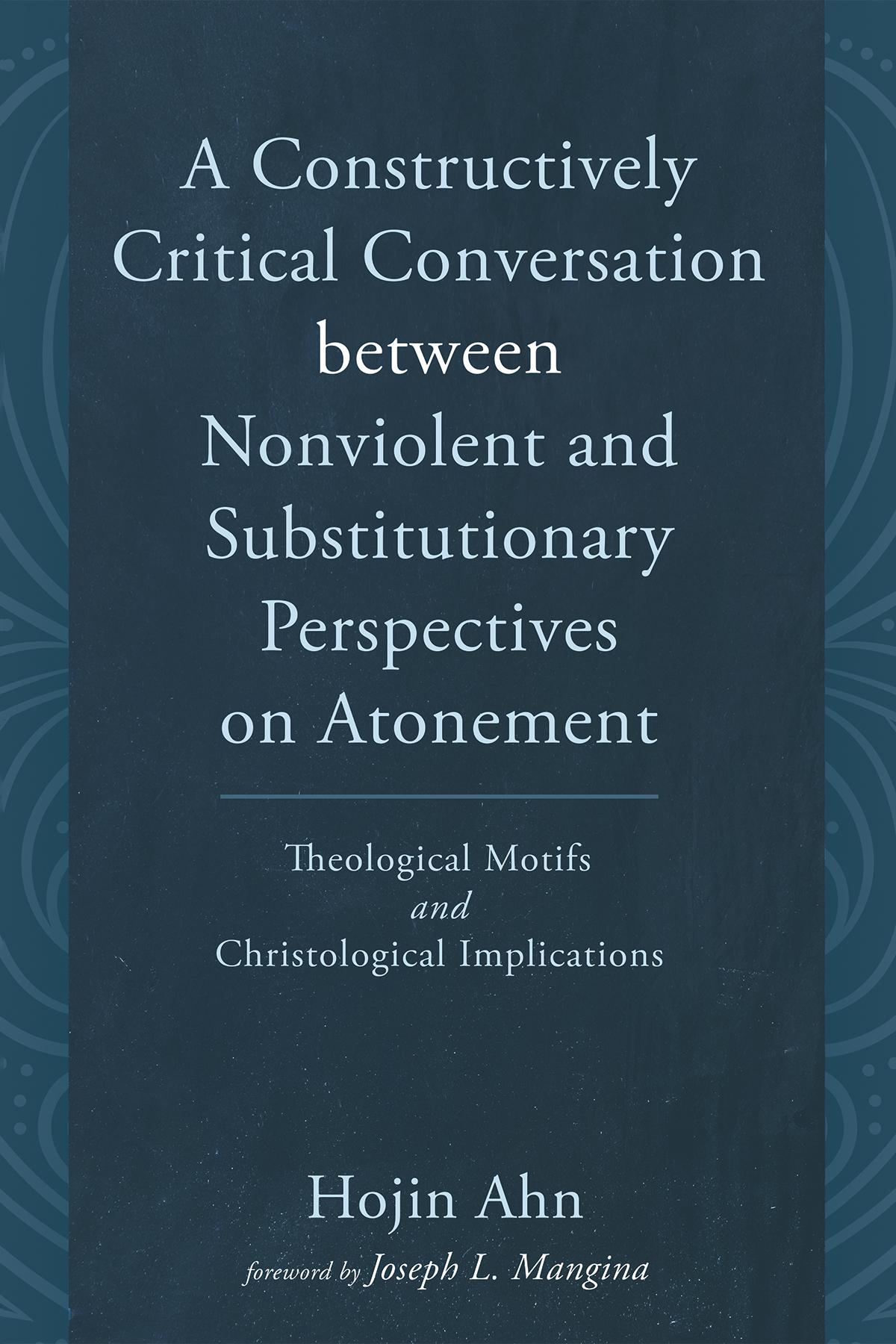
In the contemporary theological world, traditional substitutionary accounts of Christ's atoning work have increasingly come under criticism for what is said to be their propensity for encouraging violence by a variety of theologians such as feminists, pacifists, and Girardians. Cur deus homo?, the question about God's sovereign purpose in Christ's atoning work, is radically transposed into "who killed Jesus?" which is a provocative inquiry into the ethical issues surrounding divine violence from the nonviolent perspective of atonement. Nonetheless, in this monograph, contrary to their nonviolent intention, you will witness that Brock, Schwager, and Weaver violently damage a "holistic" dimension of atonement event under the human cause of the victim Jesus' crucifixion by evil.
By contrast, you will hear the harmonized voices of Anselm, Calvin, and Barth, who adamantly proclaim the incarnated Son of God's sovereignty in his self-giving death for our salvation. Furthermore, it is through the theological conversation between the opposite camps that you will realize how the anthropological motifs of healing, scapegoat mechanism, and nonviolence are to be constructively engaged with the Christological-cultic context of an evangelical doctrine of substitution. You will encounter the crux of Christ's saving death for us.
Payez facilement par carte, Klarna, Apple Pay ou Google Pay. Pas satisfait ? Vous avez toujours une garantie de remboursement de 14 jours. En savoir plus dans nos conditions. Si vous avez des questions, envoyez-nous un e-mail à hello@memmo.org.
Memmo facilite tes études, où que tu sois dans le monde. On rassemble tes manuels de cours et des outils d'étude intelligents au même endroit : résumés, quiz, podcasts et flashcards. Et il y a Ted, ton compagnon d'étude qui répond à toutes tes questions. Plus de 50 000 étudiants étudient déjà ici – conçu pour t'aider à apprendre plus vite et à moins stresser.
Tu pourrais aussi aimer
Acheter le livre0