
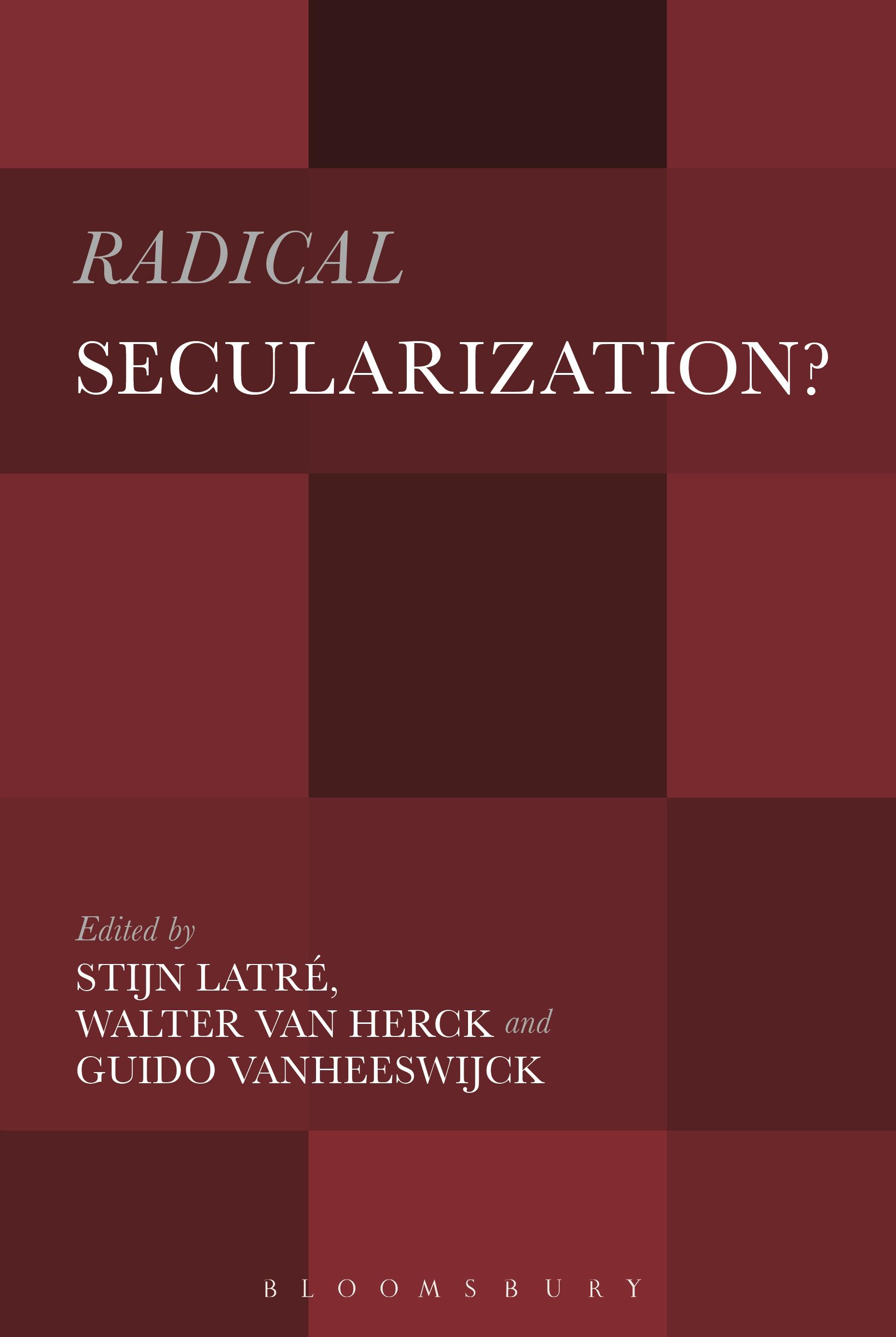
What does it mean for a society to be secular? Answering this question from a philosophical angle, Radical Secularization? delves into the philosophical presuppositions of secularization. Which cultural evolutions made secularization possible? International scholars from different disciplines assess the answers given by many leading philosophers such as, among others, Löwith, Blumenberg and Habermas (Germany), Gauchet and Nancy (France), Taylor and Bellah (North America). They examine the theory that secularization cannot only be regarded as a cultural change that was forced upon religion from an external source (e.g. science), but should also be considered as a phenomenon triggered by motives internal to religion. If religions are indeed capable of inner transformations, the question arises whether religions can persist in the secular societies they inadvertently helped to bring about, and how secular societies may accommodate religion.
Payez facilement par carte, Klarna, Apple Pay ou Google Pay. Pas satisfait ? Vous avez toujours une garantie de remboursement de 14 jours. En savoir plus dans nos conditions. Si vous avez des questions, envoyez-nous un e-mail à hello@memmo.org.
Memmo facilite tes études, où que tu sois dans le monde. On rassemble tes manuels de cours et des outils d'étude intelligents au même endroit : résumés, quiz, podcasts et flashcards. Et il y a Ted, ton compagnon d'étude qui répond à toutes tes questions. Plus de 50 000 étudiants étudient déjà ici – conçu pour t'aider à apprendre plus vite et à moins stresser.