
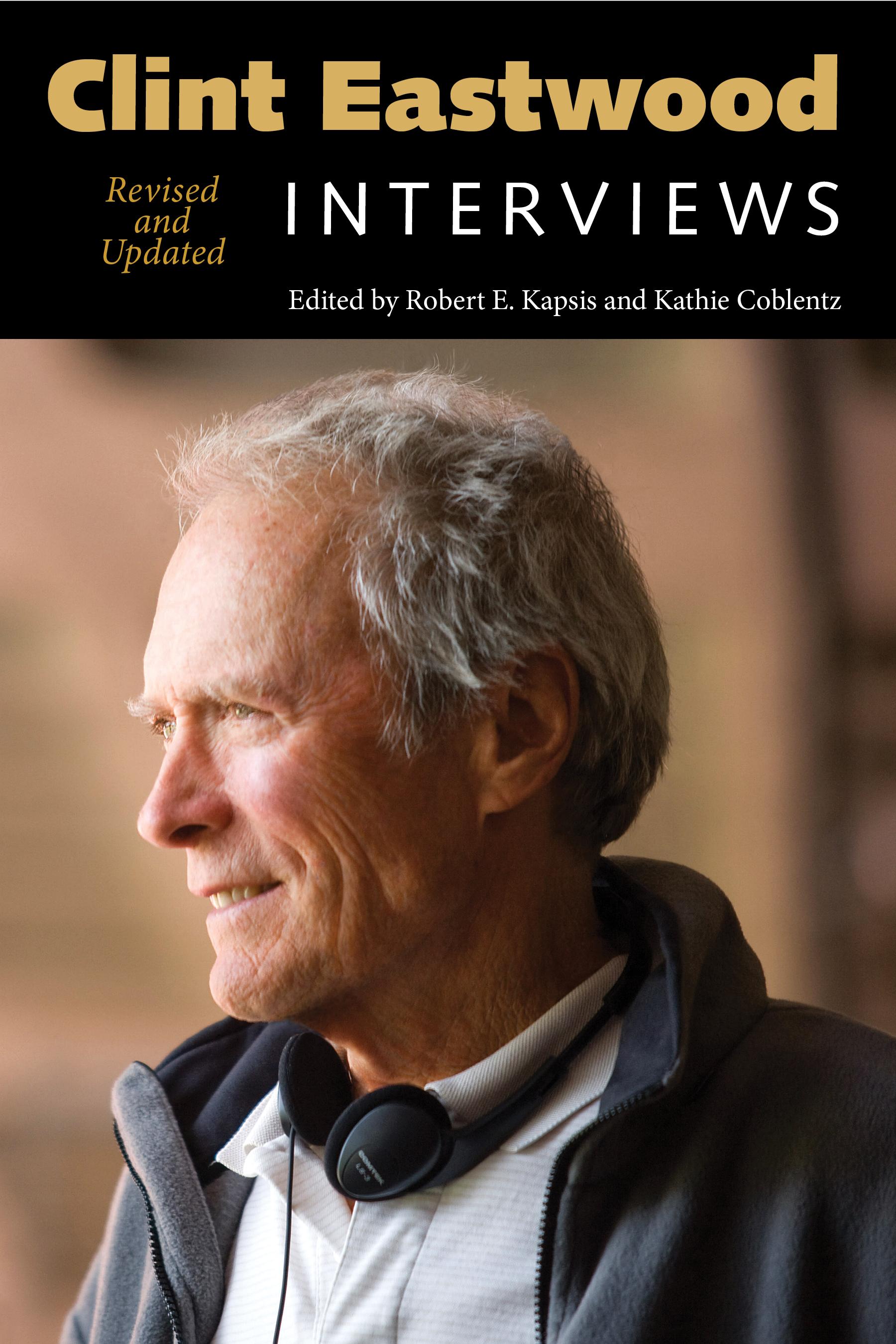
Clint Eastwood (b. 1930) is the only popular American dramatic star to have shaped his own career almost entirely through films of his own producing, frequently under his own direction; no other dramatic star has directed himself so often. He is also one of the most prolific active directors, with thirty-three features to his credit since 1971.
As a star, he is often recalled primarily for two early roles—the “Man with No Name” of three European-made Westerns, and the uncompromising cop “Dirty” Harry Callahan. But on his own as a director, Eastwood has steered a remarkable course. A film industry insider who works through the established Hollywood system and respects its traditions, he remains an outsider by steadfastly refusing to heed cultural and aesthetic trends in film production and film style. His films as director have examined an eclectic variety of themes, ranging from the artist's life to the nature of heroism, while frequently calling into question the ethos of masculinity and his own star image. Yet they have remained accessible to a popular audience worldwide. With two Best Director and two Best Picture Oscars to his credit, Eastwood now ranks among the most highly honored living filmmakers.
These interviews range over the more than four decades of Eastwood's directorial career, with an emphasis on practical filmmaking issues and his philosophy as a filmmaker. Nearly a third are from European sources—several appearing here in English for the first time.
As a star, he is often recalled primarily for two early roles—the “Man with No Name” of three European-made Westerns, and the uncompromising cop “Dirty” Harry Callahan. But on his own as a director, Eastwood has steered a remarkable course. A film industry insider who works through the established Hollywood system and respects its traditions, he remains an outsider by steadfastly refusing to heed cultural and aesthetic trends in film production and film style. His films as director have examined an eclectic variety of themes, ranging from the artist's life to the nature of heroism, while frequently calling into question the ethos of masculinity and his own star image. Yet they have remained accessible to a popular audience worldwide. With two Best Director and two Best Picture Oscars to his credit, Eastwood now ranks among the most highly honored living filmmakers.
These interviews range over the more than four decades of Eastwood's directorial career, with an emphasis on practical filmmaking issues and his philosophy as a filmmaker. Nearly a third are from European sources—several appearing here in English for the first time.
Payez facilement par carte, Klarna, Apple Pay ou Google Pay. Pas satisfait ? Vous avez toujours une garantie de remboursement de 14 jours. En savoir plus dans nos conditions. Si vous avez des questions, envoyez-nous un e-mail à hello@memmo.org.
Memmo facilite tes études, où que tu sois dans le monde. On rassemble tes manuels de cours et des outils d'étude intelligents au même endroit : résumés, quiz, podcasts et flashcards. Et il y a Ted, ton compagnon d'étude qui répond à toutes tes questions. Plus de 50 000 étudiants étudient déjà ici – conçu pour t'aider à apprendre plus vite et à moins stresser.
Tu pourrais aussi aimer
Acheter le livre0