
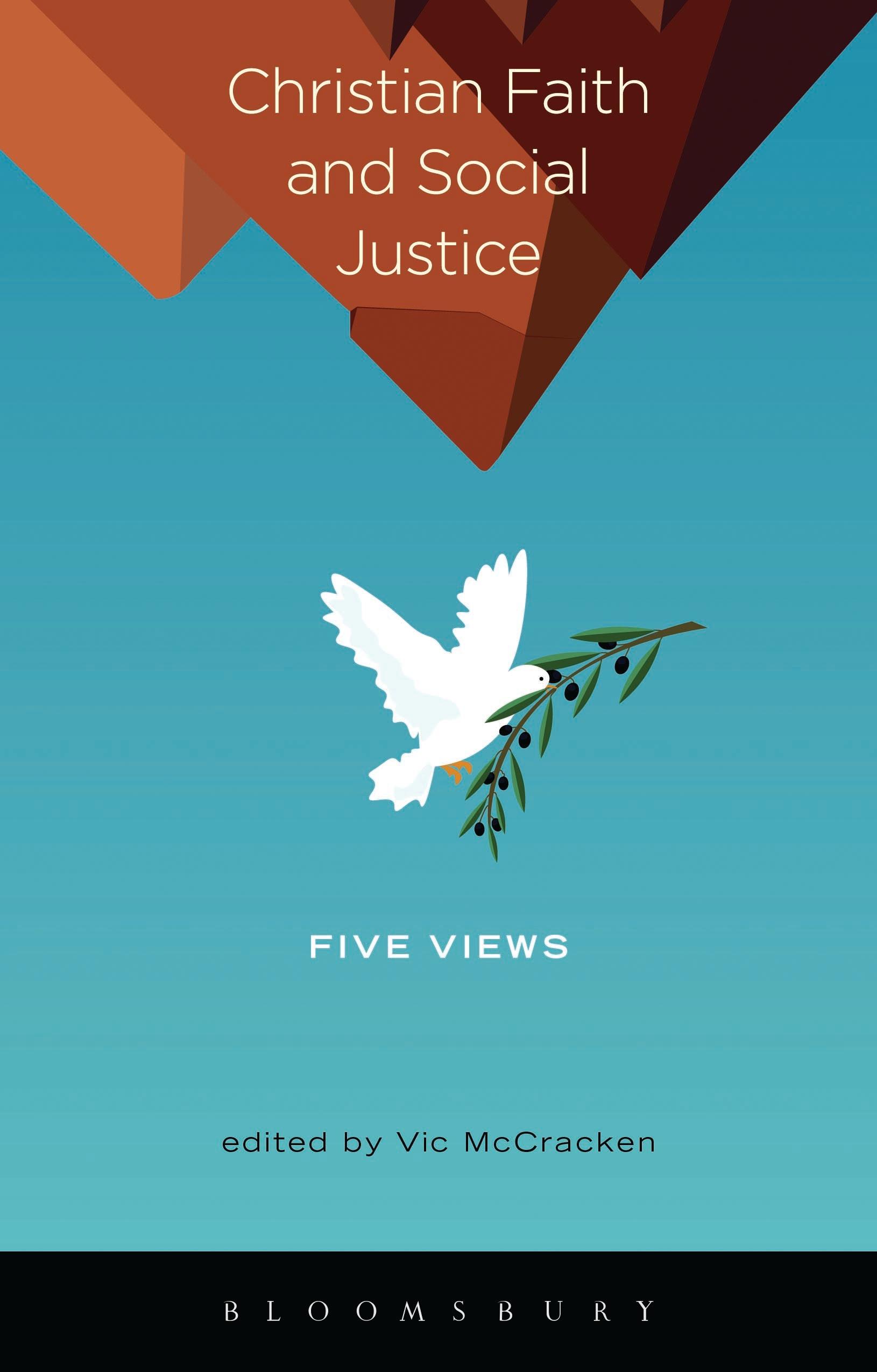
The Judeo-Christian tradition testifies to a God that cries out, demanding that justice "roll down like waters, righteousness like an ever-flowing stream" (Amos 5:24). Christians agree that being advocates for justice is critical to the Christian witness. And yet one need not look widely to see that Christians disagree about what social justice entails.
What does justice have to do with healthcare reform, illegal immigration, and same-sex marriage? Should Christians support tax policies that effectively require wealthy individuals to fund programs that benefit the poor? Does justice require that we acknowledge and address the inequalities borne out of histories of gender and ethnic exclusivity? Is the Christian vision distinct from non-Christian visions of social justice? Christians disagree over the proper answer to these questions. In short, Christians agree that justice is important but disagree about what a commitment to justice means.
Christian Faith and Social Justice makes sense of the disagreements among Christians over the meaning of justice by bringing together five highly regarded Christian philosophers to introduce and defend rival perspectives on social justice in the Christian tradition. The positions advocated and critiqued are: libertarianism, political liberalism, liberation theology, feminism, and virtue ethics. While it aspires to offer a lucid introduction to these theories, the purpose of this book is more than informative. It is purposefully dialogical and is structured so that contributors are able to model for the reader reasoned exchange among philosophers who disagree about the meaning of social justice. The hope is that the reader is left with a better understanding of range of perspectives in the Christian tradition about social justice.
What does justice have to do with healthcare reform, illegal immigration, and same-sex marriage? Should Christians support tax policies that effectively require wealthy individuals to fund programs that benefit the poor? Does justice require that we acknowledge and address the inequalities borne out of histories of gender and ethnic exclusivity? Is the Christian vision distinct from non-Christian visions of social justice? Christians disagree over the proper answer to these questions. In short, Christians agree that justice is important but disagree about what a commitment to justice means.
Christian Faith and Social Justice makes sense of the disagreements among Christians over the meaning of justice by bringing together five highly regarded Christian philosophers to introduce and defend rival perspectives on social justice in the Christian tradition. The positions advocated and critiqued are: libertarianism, political liberalism, liberation theology, feminism, and virtue ethics. While it aspires to offer a lucid introduction to these theories, the purpose of this book is more than informative. It is purposefully dialogical and is structured so that contributors are able to model for the reader reasoned exchange among philosophers who disagree about the meaning of social justice. The hope is that the reader is left with a better understanding of range of perspectives in the Christian tradition about social justice.
Payez facilement par carte, Klarna, Apple Pay ou Google Pay. Pas satisfait ? Vous avez toujours une garantie de remboursement de 14 jours. En savoir plus dans nos conditions. Si vous avez des questions, envoyez-nous un e-mail à hello@memmo.org.
Memmo facilite tes études, où que tu sois dans le monde. On rassemble tes manuels de cours et des outils d'étude intelligents au même endroit : résumés, quiz, podcasts et flashcards. Et il y a Ted, ton compagnon d'étude qui répond à toutes tes questions. Plus de 50 000 étudiants étudient déjà ici – conçu pour t'aider à apprendre plus vite et à moins stresser.