
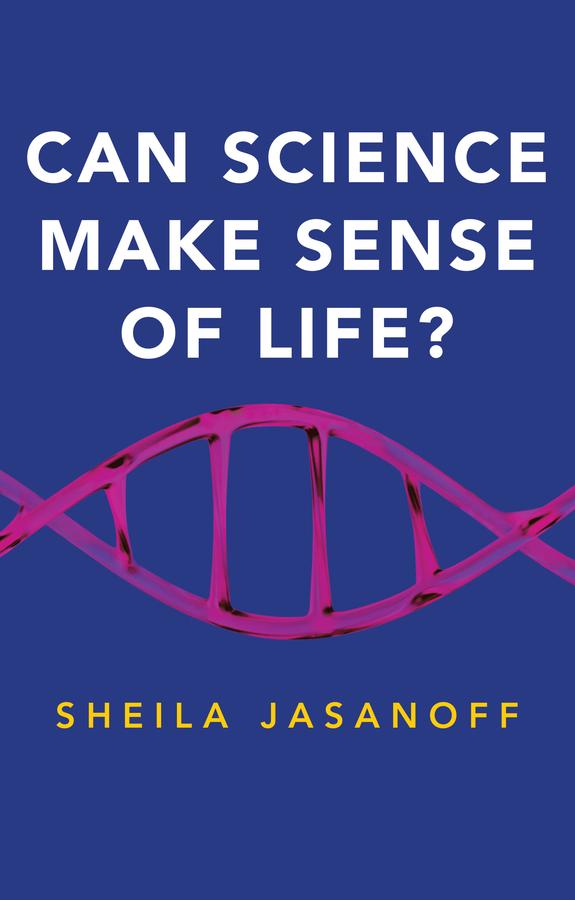
Since the discovery of the structure of DNA and the birth of the genetic age, a powerful vocabulary has emerged to express science’s growing command over the matter of life. Armed with knowledge of the code that governs all living things, biology and biotechnology are poised to edit, even rewrite, the texts of life to correct nature’s mistakes.
Yet, how far should the capacity to manipulate what life is at the molecular level authorize science to define what life is for? This book looks at flash points in law, politics, ethics, and culture to argue that science’s promises of perfectibility have gone too far. Science may have editorial control over the material elements of life, but it does not supersede the languages of sense-making that have helped define human values across millennia: the meanings of autonomy, integrity, and privacy; the bonds of kinship, family, and society; and the place of humans in nature.
Payez facilement par carte, Klarna, Apple Pay ou Google Pay. Pas satisfait ? Vous avez toujours une garantie de remboursement de 14 jours. En savoir plus dans nos conditions. Si vous avez des questions, envoyez-nous un e-mail à hello@memmo.org.
Memmo facilite tes études, où que tu sois dans le monde. On rassemble tes manuels de cours et des outils d'étude intelligents au même endroit : résumés, quiz, podcasts et flashcards. Et il y a Ted, ton compagnon d'étude qui répond à toutes tes questions. Plus de 50 000 étudiants étudient déjà ici – conçu pour t'aider à apprendre plus vite et à moins stresser.