
A Next Big Idea Club "Must Read" for December 2023
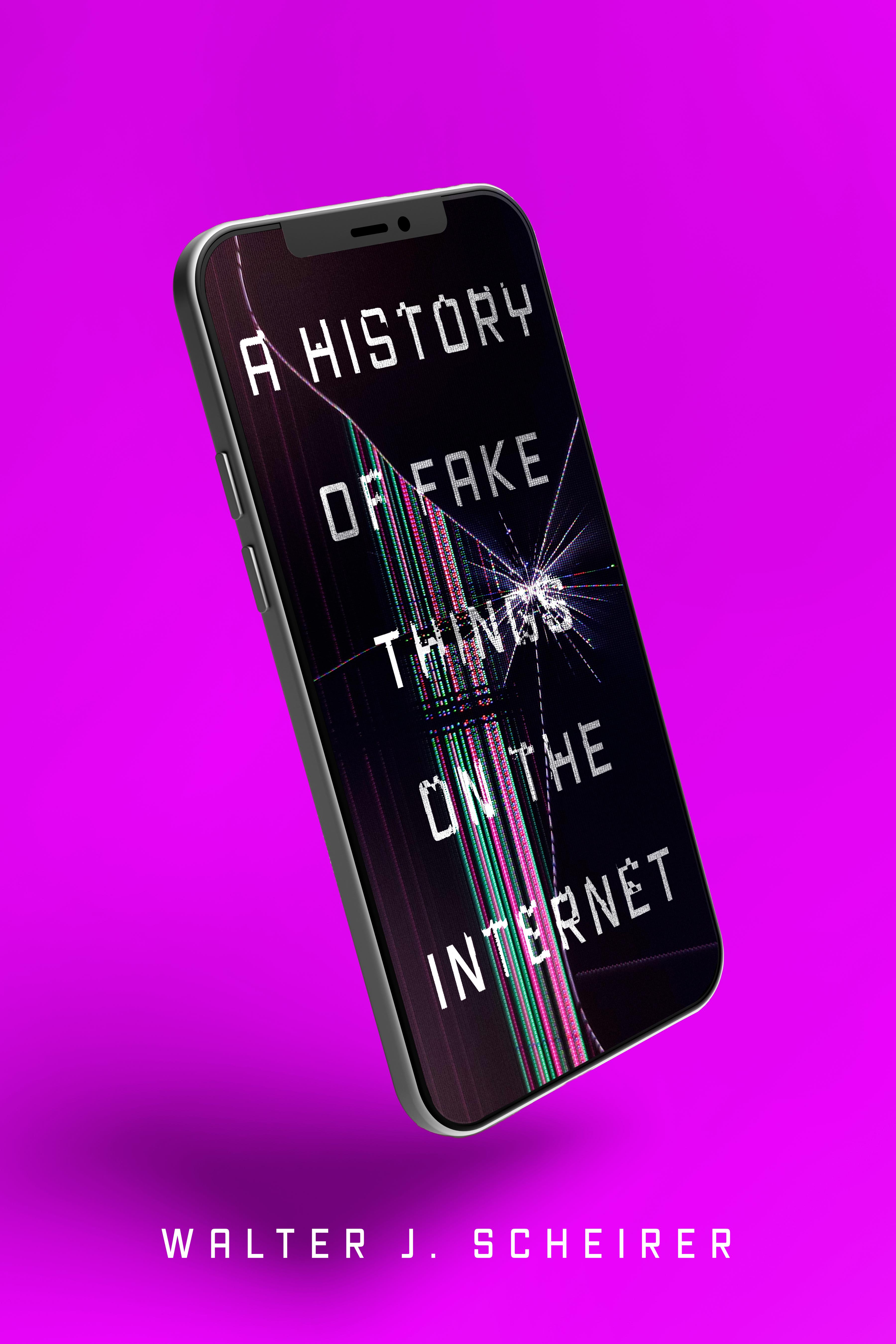
As all aspects of our social and informational lives increasingly migrate online, the line between what is "real" and what is digitally fabricated grows ever thinner—and that fake content has undeniable real-world consequences. A History of Fake Things on the Internet takes the long view of how advances in technology brought us to the point where faked texts, images, and video content are nearly indistinguishable from what is authentic or true.
Computer scientist Walter J. Scheirer takes a deep dive into the origins of fake news, conspiracy theories, reports of the paranormal, and other deviations from reality that have become part of mainstream culture, from image manipulation in the nineteenth-century darkroom to the literary stylings of large language models like ChatGPT. Scheirer investigates the origins of Internet fakes, from early hoaxes that traversed the globe via Bulletin Board Systems (BBSs), USENET, and a new messaging technology called email, to today's hyperrealistic, AI-generated Deepfakes. An expert in machine learning and recognition, Scheirer breaks down the technical advances that made new developments in digital deception possible, and shares behind-the-screens details of early Internet-era pranks that have become touchstones of hacker lore. His story introduces us to the visionaries and mischief-makers who first deployed digital fakery and continue to influence how digital manipulation works—and doesn't—today: computer hackers, digital artists, media forensics specialists, and AI researchers. Ultimately, Scheirer argues that problems associated with fake content are not intrinsic properties of the content itself, but rather stem from human behavior, demonstrating our capacity for both creativity and destruction.
Payez facilement par carte, Klarna, Apple Pay ou Google Pay. Pas satisfait ? Vous avez toujours une garantie de remboursement de 14 jours. En savoir plus dans nos conditions. Si vous avez des questions, envoyez-nous un e-mail à hello@memmo.org.
Memmo facilite tes études, où que tu sois dans le monde. On rassemble tes manuels de cours et des outils d'étude intelligents au même endroit : résumés, quiz, podcasts et flashcards. Et il y a Ted, ton compagnon d'étude qui répond à toutes tes questions. Plus de 50 000 étudiants étudient déjà ici – conçu pour t'aider à apprendre plus vite et à moins stresser.