
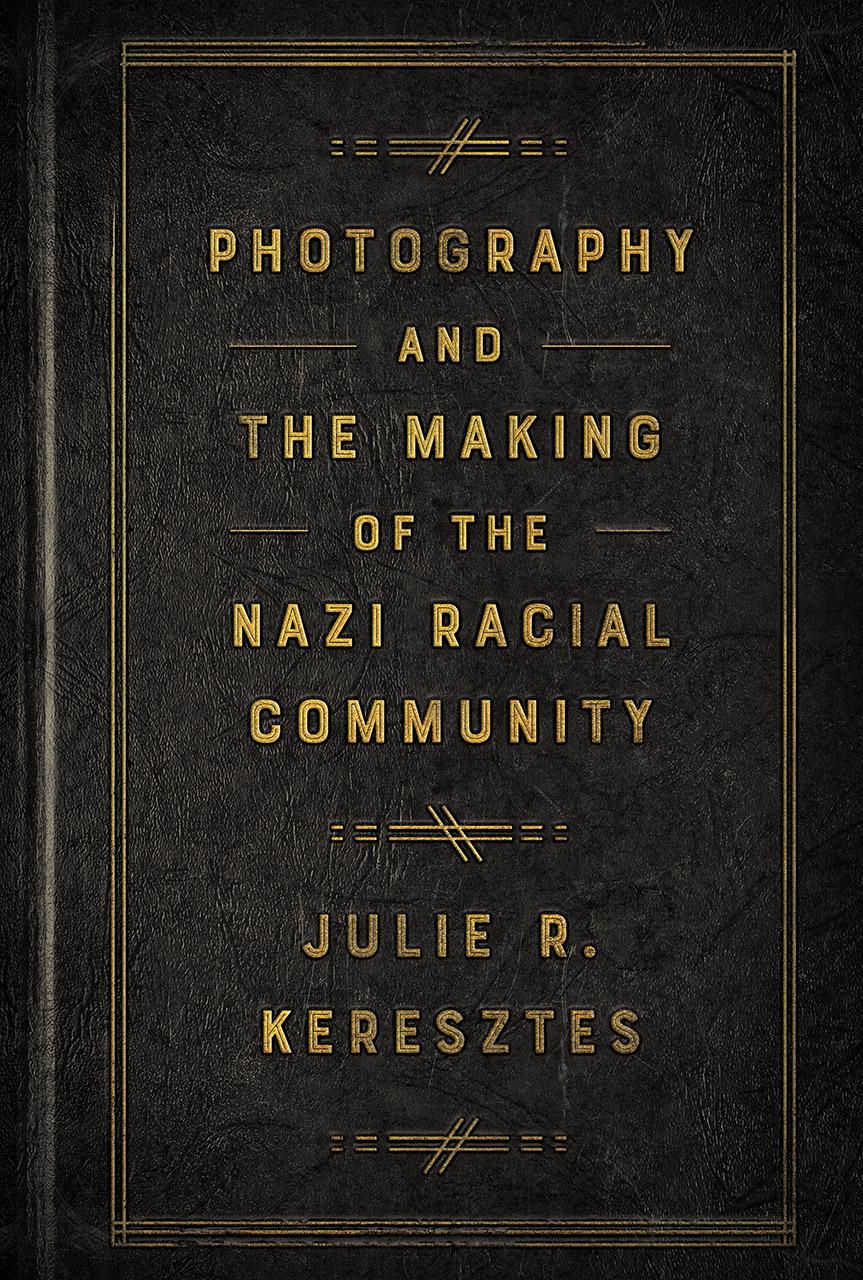
Photography and the Making of the Nazi Racial Community examines the role of photography in the construction of the Nazi Volksgemeinschaft, a racially exclusive community, during the Third Reich. Julie R. Keresztes explores how the dictatorship promoted photography for those who belonged to that community and excluded Jews from the practice. As Nazi officials dispossessed Jewish photographers and robbed them of their equipment, studios, and eventually their lives, they made photography more accessible to non-Jewish Germans. But they inadvertently created spaces for photography to be used as resistance and revenge in concentration camps, where forced laborers salvaged photographs that exposed the extermination of Europe's Jews.
As the victims of Nazi persecution used photography to gather evidence of the Holocaust, German troops and their families used photography to portray themselves as dutiful members of the Volksgemeinschaft rather than show the reality of war and genocide. Ultimately, Photography and the Making of the Nazi Racial Community shows how the configuration of photography along racial lines shaped the imagery of the Second World War.
Published in Association with the US Holocaust Memorial Museum.
Payez facilement par carte, Klarna, Apple Pay ou Google Pay. Pas satisfait ? Vous avez toujours une garantie de remboursement de 14 jours. En savoir plus dans nos conditions. Si vous avez des questions, envoyez-nous un e-mail à hello@memmo.org.
Memmo facilite tes études, où que tu sois dans le monde. On rassemble tes manuels de cours et des outils d'étude intelligents au même endroit : résumés, quiz, podcasts et flashcards. Et il y a Ted, ton compagnon d'étude qui répond à toutes tes questions. Plus de 50 000 étudiants étudient déjà ici – conçu pour t'aider à apprendre plus vite et à moins stresser.