
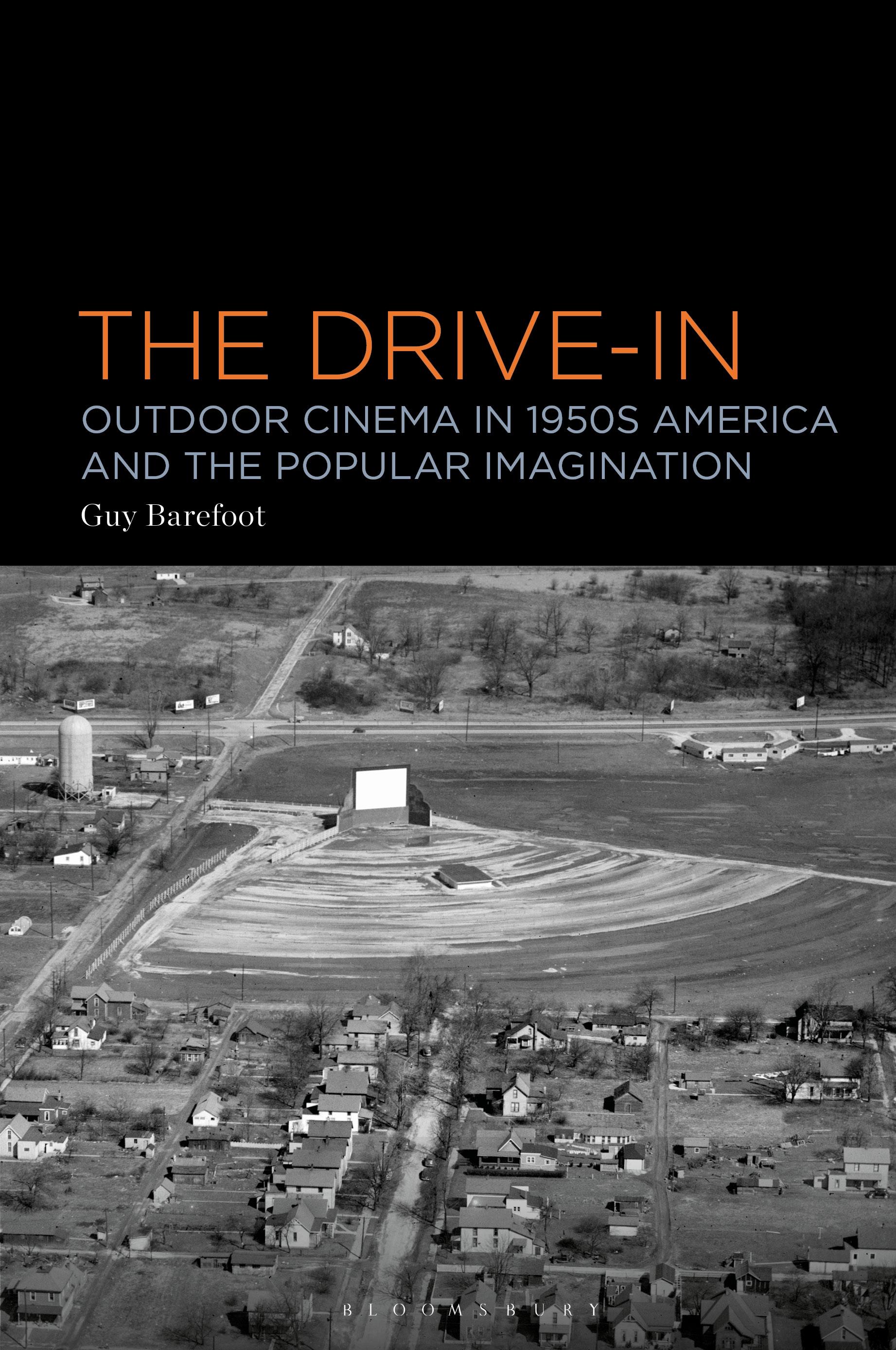
The Drive-In meaningfully contributes to the complex picture of outdoor cinema that has been central to American culture and to a history of US cinema based on diverse viewing experiences rather than a select number of films.
Drive-in cinemas flourished in 1950s America, in some summer weeks to the extent that there were more cinemagoers outdoors than indoors. Often associated with teenagers interested in the drive-in as a 'passion pit' or a venue for exploitation films, accounts of the 1950s American drive-in tend to emphasise their popularity with families with young children, downplaying the importance of a film programme apparently limited to old, low-budget or independent films and characterising drive-in operators as industry outsiders. They retain a hold on the popular imagination.
The Drive-In identifies the mix of generations in the drive-in audience as well as accounts that articulate individual experiences, from the drive-in as a dating venue to a segregated space. Through detailed analysis of the film industry trade press, local newspapers and a range of other primary sources including archival records on cinemas and cinema circuits in Arkansas, California, New York State and Texas, this book examines how drive-ins were integrated into local communities and the film industry and reveals the importance and range of drive-in programmes that were often close to that of their indoor neighbours.
Drive-in cinemas flourished in 1950s America, in some summer weeks to the extent that there were more cinemagoers outdoors than indoors. Often associated with teenagers interested in the drive-in as a 'passion pit' or a venue for exploitation films, accounts of the 1950s American drive-in tend to emphasise their popularity with families with young children, downplaying the importance of a film programme apparently limited to old, low-budget or independent films and characterising drive-in operators as industry outsiders. They retain a hold on the popular imagination.
The Drive-In identifies the mix of generations in the drive-in audience as well as accounts that articulate individual experiences, from the drive-in as a dating venue to a segregated space. Through detailed analysis of the film industry trade press, local newspapers and a range of other primary sources including archival records on cinemas and cinema circuits in Arkansas, California, New York State and Texas, this book examines how drive-ins were integrated into local communities and the film industry and reveals the importance and range of drive-in programmes that were often close to that of their indoor neighbours.
Payez facilement par carte, Klarna, Apple Pay ou Google Pay. Pas satisfait ? Vous avez toujours une garantie de remboursement de 14 jours. En savoir plus dans nos conditions. Si vous avez des questions, envoyez-nous un e-mail à hello@memmo.org.
Memmo facilite tes études, où que tu sois dans le monde. On rassemble tes manuels de cours et des outils d'étude intelligents au même endroit : résumés, quiz, podcasts et flashcards. Et il y a Ted, ton compagnon d'étude qui répond à toutes tes questions. Plus de 50 000 étudiants étudient déjà ici – conçu pour t'aider à apprendre plus vite et à moins stresser.