
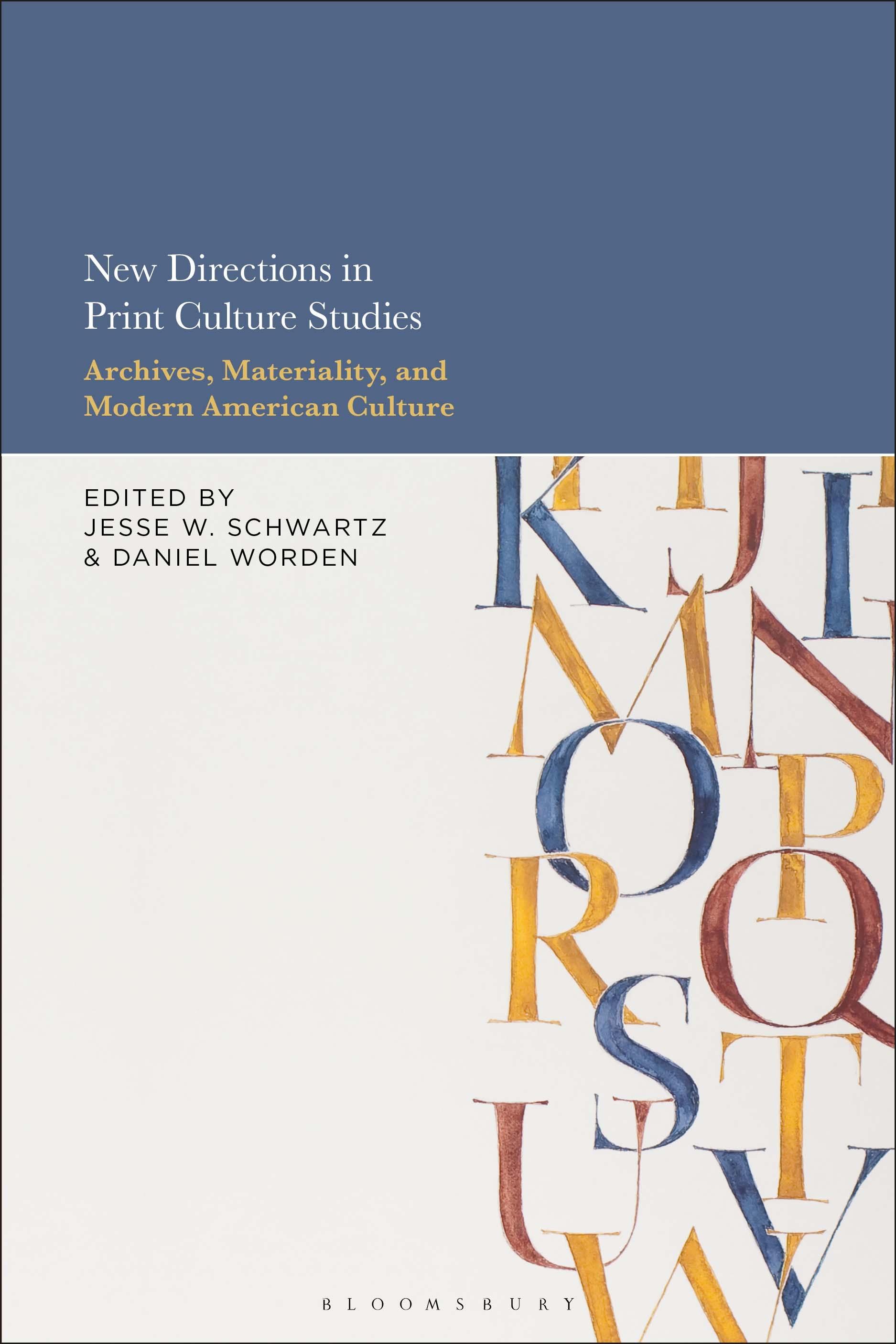
New Directions in Print Culture Studies features new methods and approaches to cultural and literary history that draw on periodicals, print culture, and material culture, thus revising and rewriting what we think we know about the aesthetic, cultural, and social history of transnational America.
The unifying questions posed and answered in this book are methodological: How can we make material, archival objects meaningful? How can we engage and contest dominant conceptions of aesthetic, historical, and literary periods? How can we present archival material in ways that make it accessible to other scholars and students? What theoretical commitments does a focus on material objects entail?
New Directions in Print Culture Studies brings together leading scholars to address the methodological, historical, and theoretical commitments that emerge from studying how periodicals, books, images, and ideas circulated from the 19th century to the present. Reaching beyond national boundaries, the essays in this book focus on the different materials and archives we can use to rewrite literary history in ways that highlight not a canon of “major” literary works, but instead the networks, dialogues, and tensions that define print cultures in various moments and movements.
The unifying questions posed and answered in this book are methodological: How can we make material, archival objects meaningful? How can we engage and contest dominant conceptions of aesthetic, historical, and literary periods? How can we present archival material in ways that make it accessible to other scholars and students? What theoretical commitments does a focus on material objects entail?
New Directions in Print Culture Studies brings together leading scholars to address the methodological, historical, and theoretical commitments that emerge from studying how periodicals, books, images, and ideas circulated from the 19th century to the present. Reaching beyond national boundaries, the essays in this book focus on the different materials and archives we can use to rewrite literary history in ways that highlight not a canon of “major” literary works, but instead the networks, dialogues, and tensions that define print cultures in various moments and movements.
Payez facilement par carte, Klarna, Apple Pay ou Google Pay. Pas satisfait ? Vous avez toujours une garantie de remboursement de 14 jours. En savoir plus dans nos conditions. Si vous avez des questions, envoyez-nous un e-mail à hello@memmo.org.
Memmo facilite tes études, où que tu sois dans le monde. On rassemble tes manuels de cours et des outils d'étude intelligents au même endroit : résumés, quiz, podcasts et flashcards. Et il y a Ted, ton compagnon d'étude qui répond à toutes tes questions. Plus de 50 000 étudiants étudient déjà ici – conçu pour t'aider à apprendre plus vite et à moins stresser.