
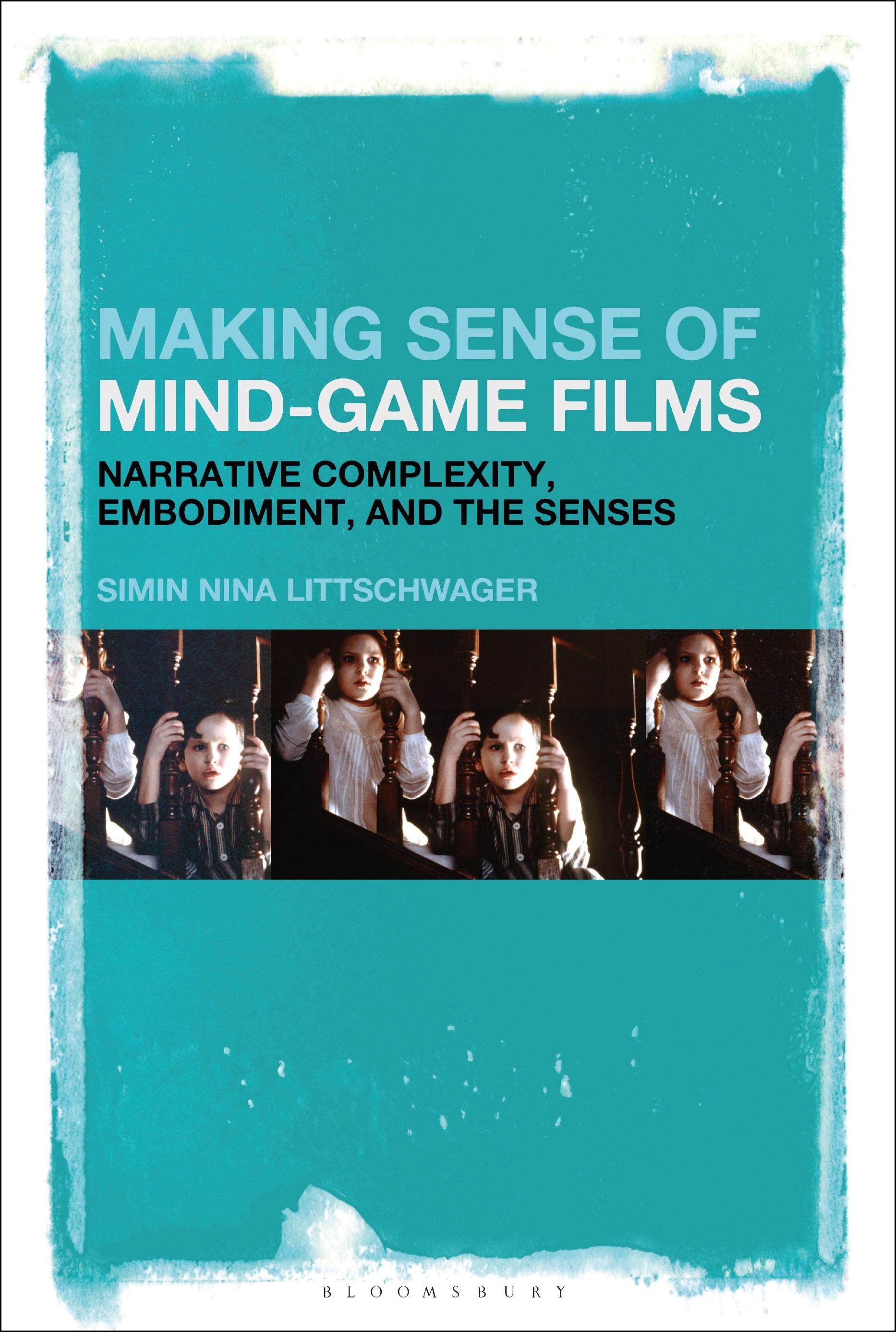
Mind-game films and other complex narratives have been a prominent phenomenon of the cinematic landscape during the period 1990-2010, when films like The Sixth Sense, Memento, Fight Club and Source Code became critical and commercial successes, often acquiring a cult status with audiences. With their multiple story lines, unreliable narrators, ambiguous twist endings, and paradoxical worlds, these films challenge traditional ways of narrative comprehension and in many cases require and reward multiple viewings.
But how can me make sense of films that don't always make sense the way we are used to? While most scholarship has treated these complex films as narrative puzzles that audiences solve with their cognitive skills, Making Sense of Mind-Game Films offers a fresh perspective by suggesting that they appeal to the body and the senses in equal measures. Mind-game films tell stories about crises between body, mind and world, and about embodied forms of knowing and subjective ways of being-in-the-world. Through compelling in-depth case studies of popular mind-game films, the book explores how these complex narratives take their (embodied) spectators with them into such crises. The puzzling effect generated by these films stems from a conflict between what we think and what we experience, between what we know and what we feel to be true, and between what we see and what we sense.
But how can me make sense of films that don't always make sense the way we are used to? While most scholarship has treated these complex films as narrative puzzles that audiences solve with their cognitive skills, Making Sense of Mind-Game Films offers a fresh perspective by suggesting that they appeal to the body and the senses in equal measures. Mind-game films tell stories about crises between body, mind and world, and about embodied forms of knowing and subjective ways of being-in-the-world. Through compelling in-depth case studies of popular mind-game films, the book explores how these complex narratives take their (embodied) spectators with them into such crises. The puzzling effect generated by these films stems from a conflict between what we think and what we experience, between what we know and what we feel to be true, and between what we see and what we sense.
Pages: 256
Catégorie: Film- & Medievetenskap
e-ISBN: 9781501337055
Poids d'expédition: 1.2 kg
Expédié sous: 1-2 jours
Payez facilement par carte, Klarna, Apple Pay ou Google Pay. Pas satisfait ? Vous avez toujours une garantie de remboursement de 14 jours. En savoir plus dans nos conditions. Si vous avez des questions, envoyez-nous un e-mail à hello@memmo.org.
Memmo facilite tes études, où que tu sois dans le monde. On rassemble tes manuels de cours et des outils d'étude intelligents au même endroit : résumés, quiz, podcasts et flashcards. Et il y a Ted, ton compagnon d'étude qui répond à toutes tes questions. Plus de 50 000 étudiants étudient déjà ici – conçu pour t'aider à apprendre plus vite et à moins stresser.