
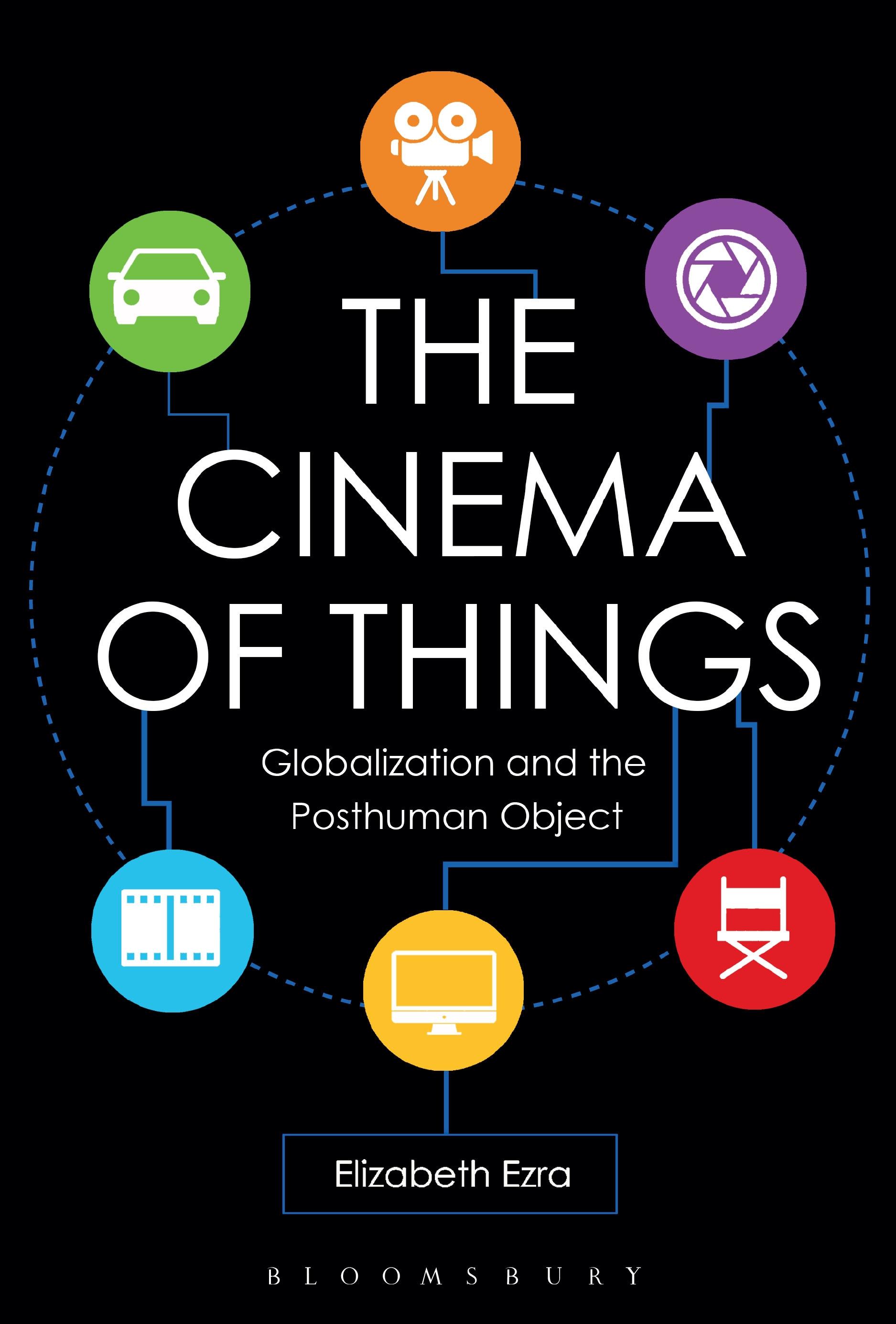
This book explores the border zones between life and non-life as represented in cinema from the end of the nineteenth century, when France led the global film industry, to the first decades of the twenty-first century, when world film markets are dominated by Hollywood. Informed by both the Internet of Things and the Parliament of Things, The Cinema of Things examines cinematic depictions of the ways in which human beings are prosthetically engaged with life beyond the self in the global age: by hyperconsumption; by structures of racial and sexual objectification that reduce people designated as “others” to objects of fascination, sexual gratification, warfare, or labor; and by information technology that replaces human agency with encoding.
Consumer culture, a key feature of globalization, posits that we must supplement ourselves with commodities without which we would otherwise be incomplete: but these prostheses, rather than enhancing us, end up creating the insufficiencies they were meant to overcome. We are engulfed by objects, to the extent that we ourselves are becoming objectified. At the same time, objects, especially technological objects, are becoming increasingly autonomous, assuming roles that were once the preserve of human agency. We are becoming the objects of globalization, and cinema imaginatively represents this transformation, but it also offers us the possibility of retaining our humanity in the process.
Consumer culture, a key feature of globalization, posits that we must supplement ourselves with commodities without which we would otherwise be incomplete: but these prostheses, rather than enhancing us, end up creating the insufficiencies they were meant to overcome. We are engulfed by objects, to the extent that we ourselves are becoming objectified. At the same time, objects, especially technological objects, are becoming increasingly autonomous, assuming roles that were once the preserve of human agency. We are becoming the objects of globalization, and cinema imaginatively represents this transformation, but it also offers us the possibility of retaining our humanity in the process.
Pages: 216
Catégorie: Film- & Medievetenskap
e-ISBN: 9781501328831
Poids d'expédition: 1.2 kg
Expédié sous: 1-2 jours
Payez facilement par carte, Klarna, Apple Pay ou Google Pay. Pas satisfait ? Vous avez toujours une garantie de remboursement de 14 jours. En savoir plus dans nos conditions. Si vous avez des questions, envoyez-nous un e-mail à hello@memmo.org.
Memmo facilite tes études, où que tu sois dans le monde. On rassemble tes manuels de cours et des outils d'étude intelligents au même endroit : résumés, quiz, podcasts et flashcards. Et il y a Ted, ton compagnon d'étude qui répond à toutes tes questions. Plus de 50 000 étudiants étudient déjà ici – conçu pour t'aider à apprendre plus vite et à moins stresser.