
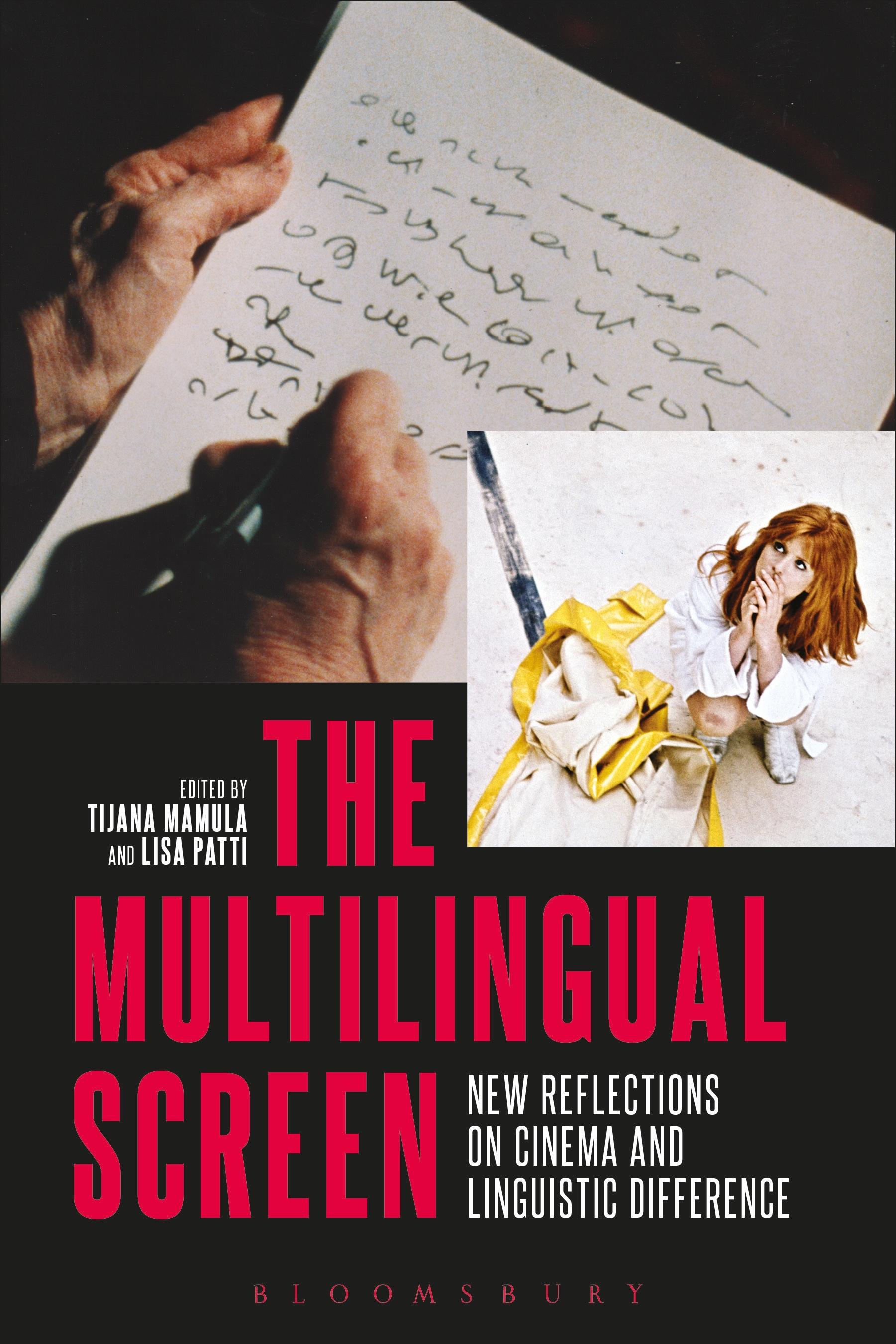
The Multilingual Screen is the first edited volume to offer a wide-ranging exploration of the place of multilingualism in cinema, investigating the ways in which linguistic difference and exchange have shaped, and continue to shape, the medium's history. Moving across a vast array of geographical, historical, and theoretical contexts-from Japanese colonial filmmaking to the French New Wave to contemporary artists' moving image-the essays collected here address the aesthetic, political, and industrial significance of multilingualism in film production and reception. In grouping these works together, The Multilingual Screen discerns and emphasizes the areas of study most crucial to forging a renewed understanding of the relationship between cinema and language diversity. In particular, it reassesses the methodologies and frameworks that have influenced the study of filmic multilingualism to propose that its force is also, and perhaps counterintuitively, a silent one. While most studies of the subject have explored linguistic difference as a largely audible phenomenon-manifested through polyglot dialogues, or through the translation of monolingual dialogues for international audiences-The Multilingual Screen traces some of its unheard histories, contributing to a new field of inquiry based on an attentiveness to multilingualism's work beyond the soundtrack.
Payez facilement par carte, Klarna, Apple Pay ou Google Pay. Pas satisfait ? Vous avez toujours une garantie de remboursement de 14 jours. En savoir plus dans nos conditions. Si vous avez des questions, envoyez-nous un e-mail à hello@memmo.org.
Memmo facilite tes études, où que tu sois dans le monde. On rassemble tes manuels de cours et des outils d'étude intelligents au même endroit : résumés, quiz, podcasts et flashcards. Et il y a Ted, ton compagnon d'étude qui répond à toutes tes questions. Plus de 50 000 étudiants étudient déjà ici – conçu pour t'aider à apprendre plus vite et à moins stresser.