
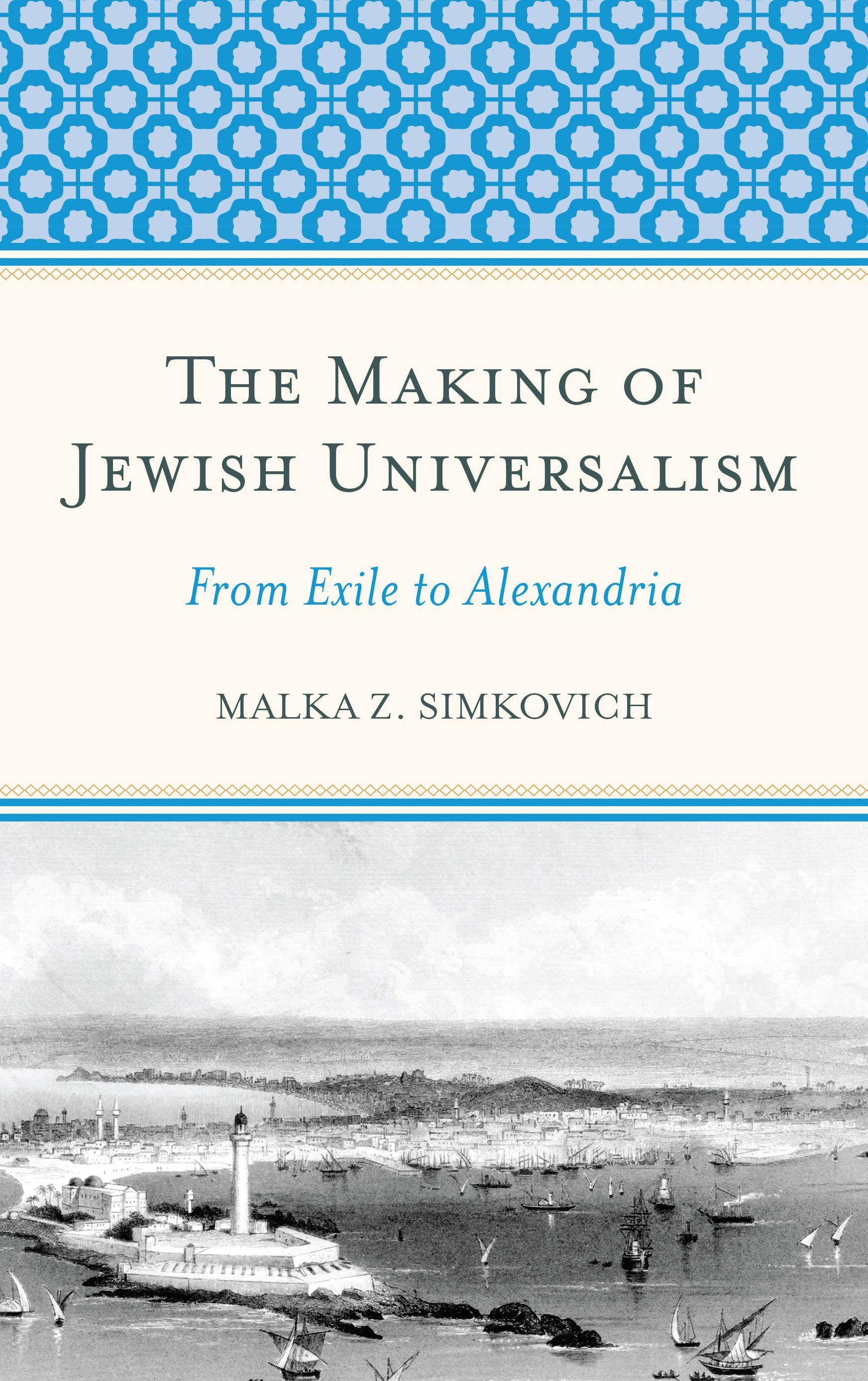
This book explores two kinds of universalist thought that circulated among Jews in the Greco-Roman world. The first, which is founded on the idea that all people may worship the One True God in an engaged and sustained manner, originates in biblical prophetic literature. The second, which underscores a common ethic that all people share, arose in the second century bce. This study offers one definition of Jewish universalism that applies to both of these types of universalist thought: universalist literature presumes that all people, regardless of religion and ethnicity, have access to a relationship with the Israelite God and the benefits promised to those loyal to this God, without demanding that they participate in the Israelite community as a Jew.
This book opens with an exploration of four types of relationships between Israelites and non-Israelites in biblical prophetic literature: Israel as Subjugators, Israel as Standard-Bearers, Naturalized Nations, and Universalized Worship. In all of these relationships, the foreign nations will acknowledge the One True God, but it is only the Universalized Worship model that offers a truly universalist vision of the end-time. The second section of this book examines how these four relationship models are expressed in Second Temple literature, and the third section studies late Second Temple texts that employ a second kind of universalist thought that emphasizes ethical behavior. This book closes with the suggestion that Ethical Universalist ideas expressed in late Second Temple texts reflect exposure to Stoic thinkers who were developing universalist ideas in the second century BCE.
This book opens with an exploration of four types of relationships between Israelites and non-Israelites in biblical prophetic literature: Israel as Subjugators, Israel as Standard-Bearers, Naturalized Nations, and Universalized Worship. In all of these relationships, the foreign nations will acknowledge the One True God, but it is only the Universalized Worship model that offers a truly universalist vision of the end-time. The second section of this book examines how these four relationship models are expressed in Second Temple literature, and the third section studies late Second Temple texts that employ a second kind of universalist thought that emphasizes ethical behavior. This book closes with the suggestion that Ethical Universalist ideas expressed in late Second Temple texts reflect exposure to Stoic thinkers who were developing universalist ideas in the second century BCE.
Pages: 216
Catégorie: Religion & Teologi
e-ISBN: 9781498542432
Poids d'expédition: 1.2 kg
Expédié sous: 1-2 jours
Payez facilement par carte, Klarna, Apple Pay ou Google Pay. Pas satisfait ? Vous avez toujours une garantie de remboursement de 14 jours. En savoir plus dans nos conditions. Si vous avez des questions, envoyez-nous un e-mail à hello@memmo.org.
Memmo facilite tes études, où que tu sois dans le monde. On rassemble tes manuels de cours et des outils d'étude intelligents au même endroit : résumés, quiz, podcasts et flashcards. Et il y a Ted, ton compagnon d'étude qui répond à toutes tes questions. Plus de 50 000 étudiants étudient déjà ici – conçu pour t'aider à apprendre plus vite et à moins stresser.