
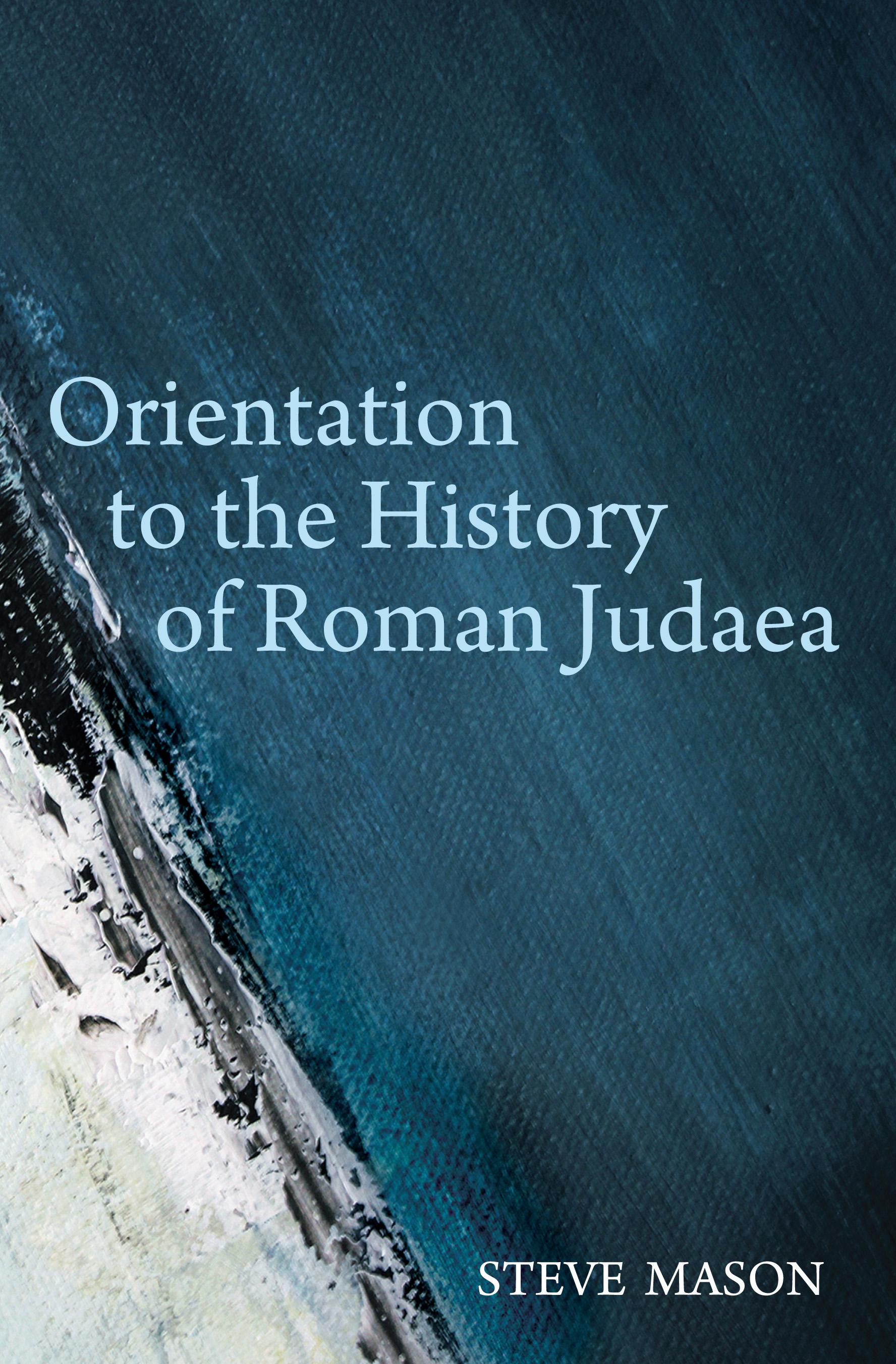
No field of study is livelier than the history of Roman-era Judaea (ca. 200 BC to AD 400). Bold reinterpretations of texts and new archaeological discoveries prompt us constantly to rethink assumptions. What kind of religion was Judaism? How did Jews--and Christians--relate to Roman imperial power? Should we speak of Judaism or Judaisms? How should the finds at Qumran affect our understanding? Did Paul and other early Christians remain within Judaism? Should we translate Ioudaioi as "Jews" or "Judaeans"?
These debates can leave students perplexed, this book argues, because the participants share only a topic. They are actually investigating different questions using disparate criteria. In the hope of facilitating communication and preparing advanced students, this book explores two basic but neglected problems: What does it mean to do history (if history is what we wish to do)? And how did the ancients understand and describe their world? It is not a history, then, but an orientation to the history of Roman Judaea.
Rather than trying to specify which questions are good ones or what one should think about them, the book offers new perspectives to help unleash the historical imagination while reckoning squarely with the nature of our evidence.
Payez facilement par carte, Klarna, Apple Pay ou Google Pay. Pas satisfait ? Vous avez toujours une garantie de remboursement de 14 jours. En savoir plus dans nos conditions. Si vous avez des questions, envoyez-nous un e-mail à hello@memmo.org.
Memmo facilite tes études, où que tu sois dans le monde. On rassemble tes manuels de cours et des outils d'étude intelligents au même endroit : résumés, quiz, podcasts et flashcards. Et il y a Ted, ton compagnon d'étude qui répond à toutes tes questions. Plus de 50 000 étudiants étudient déjà ici – conçu pour t'aider à apprendre plus vite et à moins stresser.
Tu pourrais aussi aimer
Acheter le livre0