
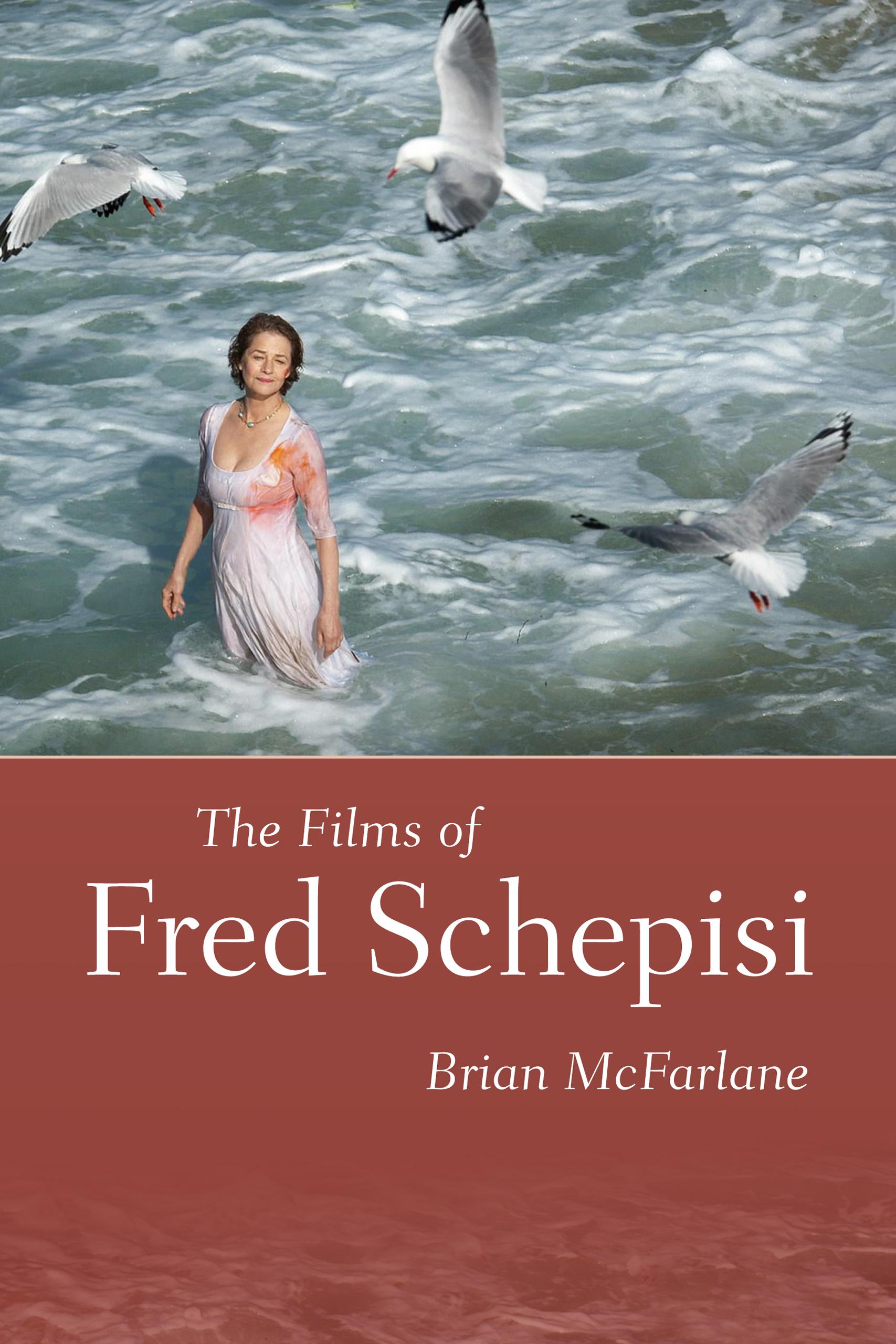
Fred Schepisi is one of the crucial names associated with the revival of the Australian film industry in the 1970s. The Films of Fred Schepisi traces the lead-up to his critical successes in feature filmmaking, via his earlier award-winning success as a producer in advertising commercials in the 1960s and the setting up of his own company. Unlike some directors, he derived from this experience a sure sense of the commercial aspects of filmmaking, as well as its aesthetic considerations. The volume also considers stories of his early education in a Catholic seminary, which he drew on in his semiautobiographical film, The Devil’s Playground, the success of which launched him as an exciting new feature director.
The volume expands on Schepisi’s success story to chart his development as a director in demand in other countries, notably in the US and the UK, as well as continuing to make major films in Australia. Brian McFarlane argues that Schepisi’s career is symptomatic of Australian directors who have made their presences felt on the international stage. Whereas other key directors of the Australian film revival, such as Peter Weir and Bruce Beresford, have been the subject of book-length critical studies, Schepisi’s career has not to-date been so explored. McFarlane takes a critical account of Schepisi’s film output—including such standouts as The Chant of Jimmie Blacksmith, Plenty, Roxanne, Six Degrees of Separation, Mr. Baseball, and Last Orders—and he augments analysis with interviews with the director. By discussing the production histories and both critical and popular receptions, McFarlane’s study shines a new light on Schepisi’s work and his rise to prominence in the global film industry.
The volume expands on Schepisi’s success story to chart his development as a director in demand in other countries, notably in the US and the UK, as well as continuing to make major films in Australia. Brian McFarlane argues that Schepisi’s career is symptomatic of Australian directors who have made their presences felt on the international stage. Whereas other key directors of the Australian film revival, such as Peter Weir and Bruce Beresford, have been the subject of book-length critical studies, Schepisi’s career has not to-date been so explored. McFarlane takes a critical account of Schepisi’s film output—including such standouts as The Chant of Jimmie Blacksmith, Plenty, Roxanne, Six Degrees of Separation, Mr. Baseball, and Last Orders—and he augments analysis with interviews with the director. By discussing the production histories and both critical and popular receptions, McFarlane’s study shines a new light on Schepisi’s work and his rise to prominence in the global film industry.
Payez facilement par carte, Klarna, Apple Pay ou Google Pay. Pas satisfait ? Vous avez toujours une garantie de remboursement de 14 jours. En savoir plus dans nos conditions. Si vous avez des questions, envoyez-nous un e-mail à hello@memmo.org.
Memmo facilite tes études, où que tu sois dans le monde. On rassemble tes manuels de cours et des outils d'étude intelligents au même endroit : résumés, quiz, podcasts et flashcards. Et il y a Ted, ton compagnon d'étude qui répond à toutes tes questions. Plus de 50 000 étudiants étudient déjà ici – conçu pour t'aider à apprendre plus vite et à moins stresser.
Tu pourrais aussi aimer
Acheter le livre0