
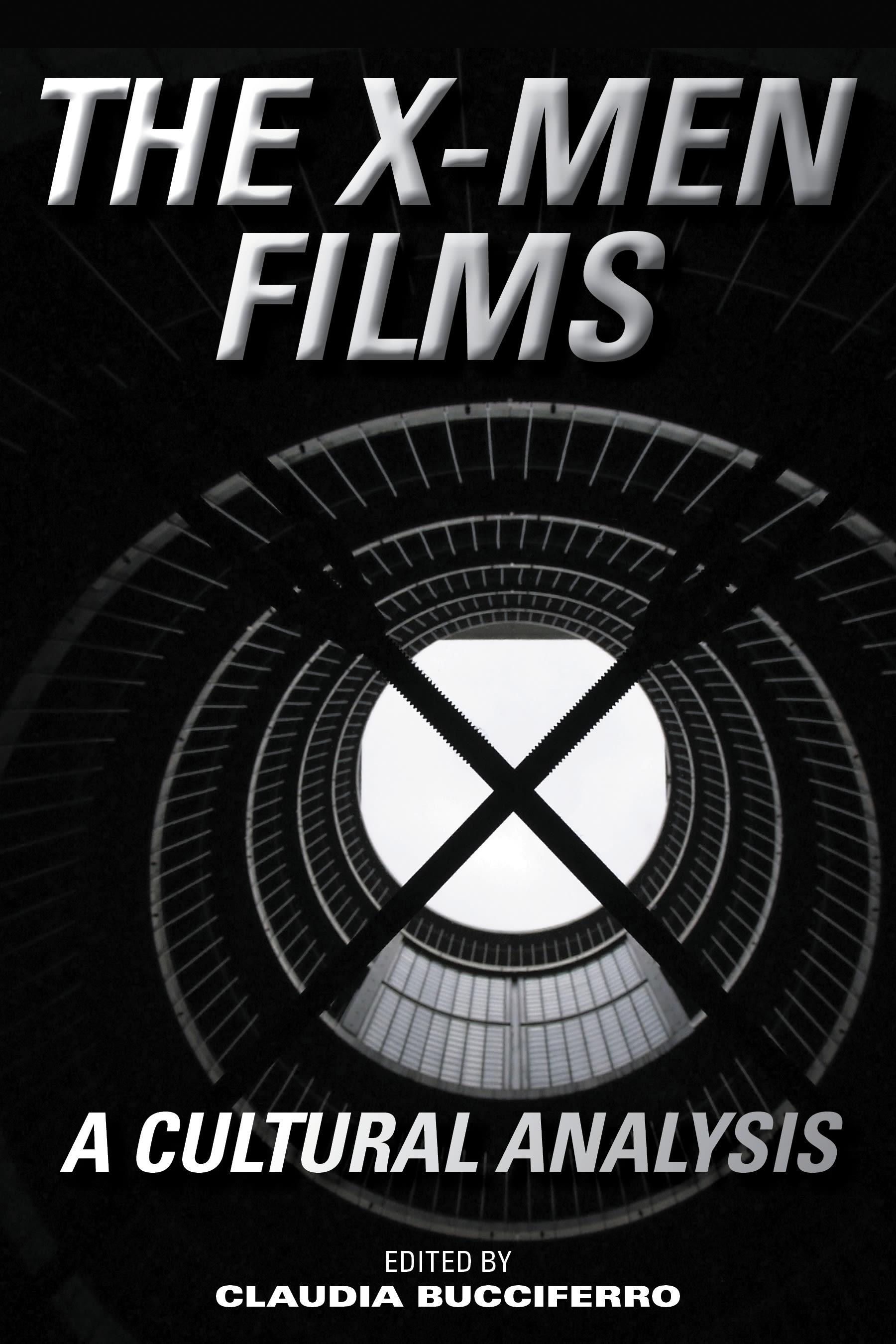
Originally appearing as a comic book in the 1960s, X-Men has been a cultural touchpoint for decades. Since the release of the first film in 2000, the series has enjoyed an even greater transnational presence. With each successive film, the franchise has secured its place within global popular culture, becoming one of the most profitable and complex superhero series to date. While much of the research that has been published on the X-Men focuses on the comics, the movies constitute their own cultural text and deserve special attention.
In The X-Men Films: A Cultural Analysis, Claudia Bucciferro has assembled a collection of essays that draw from work in communication, cultural studies, and media studies. With contributions from a diverse group of scholars, the chapters analyze issues that include gender, sexuality, disability, class, and race. The contributors pose intriguing questions about the franchise, such as: What do “mutants” really represent? What role do women and people of color play in the narratives? Why does it matter that Professor X is disabled? Why is Mystique often shown naked? What facilitated Wolverine’s rise to prominence? And how do topics regarding identity, trauma, and bioethics, figure in the stories?
Exploring issues relevant for a multicultural world and connecting thematic elements from the films to political debates and social struggles, the book seeks to make a thoughtful contribution to the scholarship of popular culture. The X-Men Films will appeal to media scholars and students, as well as to anyone interested in the X-Men series.
In The X-Men Films: A Cultural Analysis, Claudia Bucciferro has assembled a collection of essays that draw from work in communication, cultural studies, and media studies. With contributions from a diverse group of scholars, the chapters analyze issues that include gender, sexuality, disability, class, and race. The contributors pose intriguing questions about the franchise, such as: What do “mutants” really represent? What role do women and people of color play in the narratives? Why does it matter that Professor X is disabled? Why is Mystique often shown naked? What facilitated Wolverine’s rise to prominence? And how do topics regarding identity, trauma, and bioethics, figure in the stories?
Exploring issues relevant for a multicultural world and connecting thematic elements from the films to political debates and social struggles, the book seeks to make a thoughtful contribution to the scholarship of popular culture. The X-Men Films will appeal to media scholars and students, as well as to anyone interested in the X-Men series.
Pages: 264
Catégorie: Film- & Medievetenskap
e-ISBN: 9781442265349
Poids d'expédition: 1.2 kg
Expédié sous: 1-2 jours
Payez facilement par carte, Klarna, Apple Pay ou Google Pay. Pas satisfait ? Vous avez toujours une garantie de remboursement de 14 jours. En savoir plus dans nos conditions. Si vous avez des questions, envoyez-nous un e-mail à hello@memmo.org.
Memmo facilite tes études, où que tu sois dans le monde. On rassemble tes manuels de cours et des outils d'étude intelligents au même endroit : résumés, quiz, podcasts et flashcards. Et il y a Ted, ton compagnon d'étude qui répond à toutes tes questions. Plus de 50 000 étudiants étudient déjà ici – conçu pour t'aider à apprendre plus vite et à moins stresser.